US-Iran Tensions, Oil Prices & Peace Negotiation Confusion | Mariner News
The global energy landscape is once again gripped by profound uncertainty, as persistent US-Iran tensions continue to cast a long shadow over international markets. Despite a recent downtrend in crude oil prices, the geopolitical stakes remain exceptionally high, fueled by a torrent of contradictory statements surrounding potential peace negotiations between Washington and Tehran. This volatile mix of diplomacy and brinkmanship leaves market observers, policymakers, and shipping stakeholders scrambling to interpret the true state of affairs, with significant implications for global trade and energy security. The delicate balance between a hopeful resolution and renewed confrontation dictates the trajectory of oil markets, affecting everything from daily commute costs to the profitability of tanker operations navigating critical maritime chokepoints.
Geopolitical Volatility and Global Oil Markets
Recent trading patterns illustrate the immediate and profound impact of geopolitical developments on the global oil market. Wednesday saw oil prices dip yet again, largely in response to media reports and whispers from Washington suggesting that a peace deal between the United States and Iran was edging closer to reality. Such news typically signals a potential easing of supply constraints or a reduction in risk premium, leading to a downward pressure on prices. However, this optimism was quickly tempered by conflicting declarations from key figures, injecting a fresh wave of market volatility that underscores the inherent instability of the current situation. The fundamental supply-demand dynamics are momentarily overshadowed by the overwhelming influence of political rhetoric and international relations.
Adding another layer of complexity, recent data indicated a decline in U.S. crude and gasoline inventories, though at a rate far less significant than in preceding weeks. While inventory drawdowns typically support higher prices, the overriding geopolitical narrative appears to be the dominant force shaping market sentiment. Traders and analysts are finding themselves in an environment where fundamental economic indicators take a backseat to the shifting sands of international diplomacy. The market’s knee-jerk reactions to every pronouncement, whether official or speculative, highlight the profound nervousness surrounding the future of energy supply from the Middle East, a region that remains indispensable to global economic stability.
The immediate financial implications for the global shipping sector, particularly for tanker owners and operators, are substantial. Fluctuations in crude oil prices directly influence freight rates and the demand for oil tankers. Uncertainty breeds hesitation in long-term charter agreements and investment decisions, as companies attempt to hedge against unforeseen escalations or de-escalations. Moreover, bunker prices, a critical operational cost for vessels, are directly tied to crude oil benchmarks. Thus, the current geopolitical environment creates an intricate web of risks and opportunities that maritime businesses must navigate with extreme caution and foresight.
The Strait of Hormuz: A Critical Chokepoint for Energy Security
At the heart of these US-Iran tensions lies the Strait of Hormuz, an indispensable maritime chokepoint through which a significant portion of the world’s seaborne oil passes. Its strategic importance cannot be overstated, making any threat of disruption a grave concern for global energy security. The original report highlights this vulnerability, noting Iran’s ominous warning that its military was “lying in wait” should confrontation resume. Such statements amplify fears of potential blockades or attacks on shipping, which could send oil prices skyrocketing and cripple global trade flows, particularly impacting the crucial flow of crude oil and refined petroleum products.
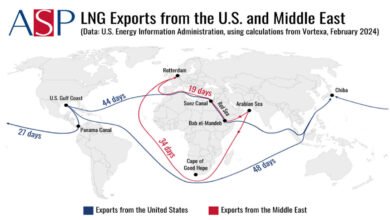
Concerns about maritime security in this vital waterway are not confined to the immediate antagonists. The international community recognizes the global repercussions of instability in the Strait. A notable development underscoring this widespread concern was the Czech Republic’s foreign minister, Petr Mainka, confirming that Prague had initiated discussions about contributing specialized capabilities to help secure the Strait of Hormuz. His comment about possessing “unique passive surveillance capabilities” suggests a growing international effort to monitor and protect this critical energy artery. Such collaborative endeavors signal the gravity with which nations view the potential for disruption and the imperative to maintain unimpeded navigation for global crude oil and liquefied natural gas (LNG) shipments.
Any escalation in the Strait of Hormuz would have immediate and severe consequences for the tanker industry. Increased insurance premiums, rerouting of vessels, and heightened security protocols would invariably drive up operational costs, making the transportation of energy resources more expensive and less efficient. The constant threat of military action or sabotage in this key shipping lane forces maritime logistics planners to consider worst-case scenarios, impacting everything from delivery schedules to investment in new tonnage. The world’s reliance on stable energy flows through this passage makes the Strait of Hormuz an enduring flashpoint in the broader geopolitical standoff, reinforcing the need for continuous diplomatic efforts to de-escalate regional frictions.
Diplomacy vs. Brinkmanship: The Shifting Narrative
The most striking feature of the current situation is the overwhelming volume of contradictory statements emanating from both sides, creating a fog of war even in times of supposed peace talks. On one hand, U.S. President Donald Trump claimed that the Islamic Republic was “negotiating on fumes,” suggesting a position of weakness. This rhetoric aims to project strength and potentially influence the outcome of any discussions. Simultaneously, Iran’s state TV reportedly asserted that it had obtained a draft of an initial understanding between Washington and Tehran, proposing that Iran would restore shipments through the Hormuz to pre-war levels within a month. Such a claim, if true, would represent a significant step towards de-escalation and economic normalization.
However, Washington was quick to dismiss Iran’s report as false, further deepening the confusion. This cycle of assertion and denial highlights the challenging nature of these high-stakes peace negotiations. Each party seems engaged in a delicate dance of public posturing, seeking to gain an advantage or manage domestic and international perceptions. The lack of clear, unified messaging makes it exceedingly difficult for external observers, including market participants and international allies, to discern the true progress of any diplomatic efforts. This deliberate ambiguity often serves tactical purposes, but it inherently exacerbates market jitters and fuels speculation about potential military escalation.
According to Tim Ghriskey, senior portfolio strategist at Ingalls & Snyder, “Today’s one of those days where geopolitics take over.” This sentiment perfectly encapsulates the current environment, where fundamental economic analysis often yields to the immediate impact of political headlines. The inherent unpredictability of diplomatic breakthroughs or breakdowns means that market participants must remain exceptionally agile, constantly reassessing risks and adjusting strategies. The brinkmanship displayed by both sides, coupled with the ongoing military posturing, signals that the path to a stable resolution is fraught with obstacles, demanding meticulous attention from all sectors reliant on a stable global energy market and predictable international relations.
Economic Repercussions and Future Outlook for Energy
The economic repercussions of sustained US-Iran tensions extend far beyond the immediate fluctuations in oil prices. The constant state of uncertainty discourages foreign investment in the region, impedes long-term energy projects, and generally destabilizes the broader Middle Eastern economy. For the shipping industry, this geopolitical instability translates into higher operational costs due to increased insurance premiums for navigating perceived risk zones, potential delays from security checks, and the imperative for more circuitous routes to avoid hot spots. Such factors directly impact the profitability and logistical efficiency of transporting vital crude oil and refined products across global shipping lanes, ultimately affecting consumers worldwide through increased prices.
The future outlook for global energy markets hinges significantly on the resolution, or lack thereof, of this diplomatic standoff. A genuine de-escalation and a verifiable peace agreement could unlock substantial Iranian crude oil supplies, potentially lowering global prices and easing inflationary pressures. Conversely, a continued state of heightened tensions or, worse, an outright military confrontation, would undoubtedly send oil prices spiraling upwards, triggering a global economic downturn. The potential disruption to maritime trade routes, particularly the Strait of Hormuz, would have catastrophic consequences for global supply chains and energy security, underscoring the urgent need for a diplomatic solution that provides enduring stability to the region.
Stakeholders across the energy and maritime sectors must remain vigilant, adapting to rapidly changing circumstances. Investment decisions, fleet deployment strategies, and risk management protocols are continually being re-evaluated in light of these complex geopolitical dynamics. The interplay between crude oil production, global demand, and the ever-present shadow of international conflict creates an intricate puzzle for economists and strategists. The ability to forecast market movements and anticipate policy shifts effectively will be paramount for businesses aiming to thrive in this turbulent environment, making informed analysis of US-Iran relations an essential component of any forward-looking economic strategy.
The ongoing saga of US-Iran tensions, characterized by fluctuating oil prices and conflicting reports on peace negotiations, serves as a powerful reminder of how intricately geopolitics is woven into the fabric of the global economy. While oil prices may dip on hopeful news, the underlying fragility of the situation, exacerbated by contradictory statements from key players, keeps the threat of escalation palpable. For the energy sector, particularly those involved in global oil markets and tanker operations, sustained vigilance and a nuanced understanding of these complex international relations are not merely advantageous but absolutely essential for navigating the turbulent waters ahead. The world watches closely as diplomacy battles brinkmanship, with the stability of vital energy supplies hanging in the balance.