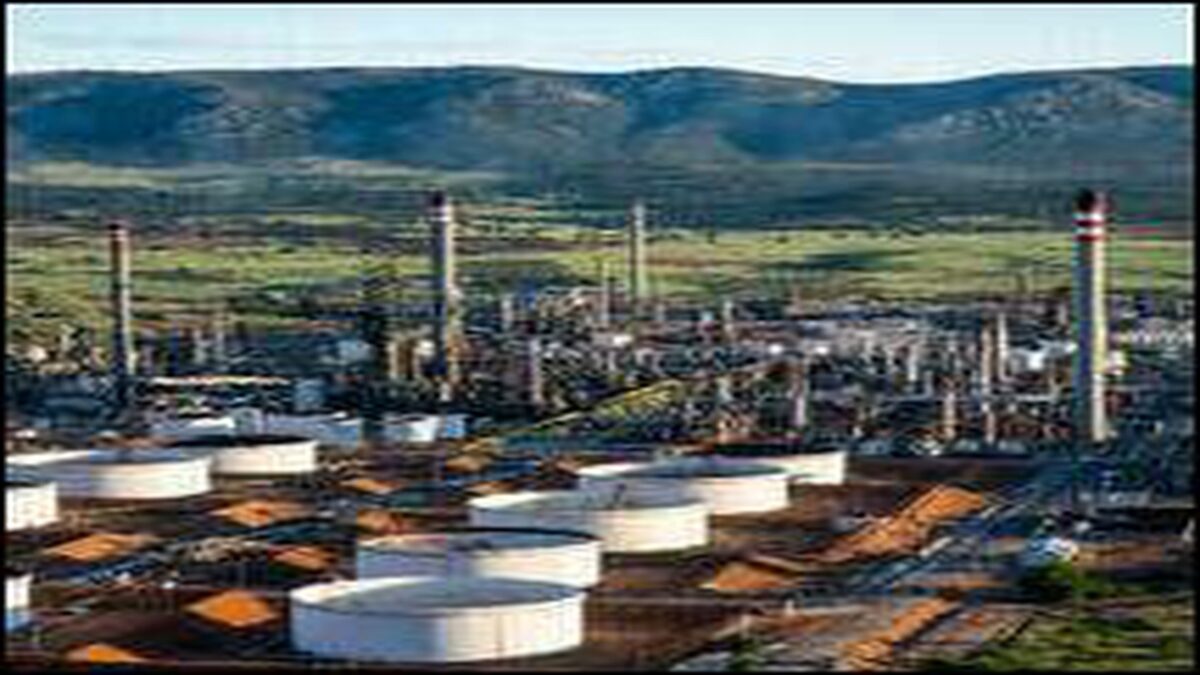
Repsol Boosts Renewable Fuel Production at Puertollano | Mariner News
In a significant leap forward for sustainable energy and the maritime industry, Repsol has officially commenced large-scale renewable fuel production at its Puertollano industrial complex in Spain. This landmark initiative marks a pivotal moment in the global push for decarbonization, particularly within the shipping sector, which is increasingly seeking viable, low-carbon fuel alternatives. The activation of the Puertollano facility adds substantial new capacity for sustainable marine fuels, signaling Repsol’s unwavering commitment to the energy transition and cementing its role as a key player in developing innovative solutions for a greener future. With an investment exceeding €130 million, Repsol has successfully transformed a former fossil fuel processing unit into a state-of-the-art renewable fuel plant, capable of producing 200,000 metric tons per year of advanced biofuels derived from used cooking oil and various agri-food waste products. This strategic conversion not only demonstrates ingenious engineering but also underscores a profound dedication to circular economy principles, converting waste into valuable, clean energy resources. The implications for the shipping sector are profound, offering a readily available and compatible fuel that can be integrated into existing infrastructure, thereby accelerating the adoption of sustainable practices across global fleets.
The Strategic Shift: Repsol’s Commitment to Sustainable Fuels
Repsol’s venture into large-scale renewable fuel production at Puertollano is a testament to its comprehensive strategy for sustainable energy. The company has publicly committed to aggressive decarbonization targets, including achieving net-zero emissions by 2050. This ambition is driving a fundamental shift in its industrial operations, moving away from a sole reliance on fossil fuels towards a diverse portfolio of low-carbon and zero-carbon energy solutions. The Puertollano plant exemplifies this strategic pivot, showcasing how existing industrial infrastructure can be repurposed and innovated to meet future energy demands. This transformation is not merely an operational change but a profound reorientation of Repsol’s business model, positioning it at the forefront of the global energy transition.
The investment of over €130 million highlights the significant capital Repsol is allocating to green technologies. This funding is crucial for developing the infrastructure and expertise required to scale up the production of advanced biofuels. By converting an existing fossil fuel processing unit, Repsol minimizes new construction and leverages its extensive industrial knowledge, accelerating the project timeline and optimizing resource use. This approach also allows for a quicker integration of the new fuel types into the supply chain, facilitating their adoption across various transportation sectors, including the crucial maritime industry.
Furthermore, Repsol’s dedication to sustainable fuels extends beyond this single project. It is part of a broader, integrated strategy that encompasses renewable electricity generation, hydrogen production, and carbon capture technologies. This holistic approach ensures that the company is addressing multiple facets of the energy transition, offering diverse solutions to tackle climate change. The successful commissioning of the Puertollano facility significantly bolsters Repsol’s credentials as a leader in industrial decarbonization, providing a tangible example of its commitment to a more sustainable energy future and its proactive response to increasing global environmental regulations and consumer demand for greener products.
Puertollano Plant: A Hub for Advanced Renewable Diesel Production
The newly operational Puertollano plant is designed to be a significant hub for advanced renewable diesel production, boasting an impressive annual capacity of 200,000 metric tons. This output volume positions Repsol as a major supplier of sustainable fuels, not just within Spain but across the European market, particularly for the shipping sector’s growing demand for low-carbon options. The plant utilizes a highly efficient process to convert waste feedstocks, primarily used cooking oil and various agri-food waste products, into high-quality renewable diesel. This sustainable sourcing mechanism is a cornerstone of the circular economy, diverting waste from landfills and transforming it into valuable energy, thereby reducing environmental impact and promoting resource efficiency.
Technical innovation is at the heart of the Puertollano project. The conversion of a former fossil fuel processing unit into a dedicated renewable fuel facility demonstrates Repsol’s engineering prowess and commitment to sustainable industrial practices. This adaptation minimizes the need for entirely new construction, reducing the environmental footprint associated with expanding production capacity. The renewable diesel produced at this advanced facility is designed for immediate use, offering exceptional versatility across various transport modes. It can seamlessly integrate into existing distribution infrastructures for ships, trucks, and cars, removing significant barriers to adoption and accelerating the transition away from conventional fossil fuels without requiring extensive modifications to existing engines or fuel systems.
The environmental benefits of this renewable fuel production are substantial. According to Repsol, the use of fuels produced at the Puertollano plant has the potential to avoid approximately 700,000 metric tons of CO2 emissions per year on a lifecycle basis when compared to conventional fossil fuels. This significant reduction in greenhouse gas emissions underscores the plant’s critical role in contributing to climate change mitigation efforts. The plant’s operation provides a tangible, scalable solution for industries seeking to lower their carbon footprint, offering a commercially viable pathway towards achieving ambitious environmental targets. This advancement solidifies Puertollano’s standing as a beacon of sustainable innovation in the energy landscape.
Impact on the Shipping Sector and Decarbonization Efforts
The launch of Repsol renewable fuel production at Puertollano carries immense significance for the shipping sector, which faces increasing pressure to decarbonize its operations. As a hard-to-abate sector, maritime transport contributes significantly to global emissions, and the availability of scalable, drop-in sustainable marine fuels like renewable diesel is critical for meeting stringent international regulations and industry targets. The fuel produced at Puertollano is immediately suitable for use in ships, offering a practical and effective solution for shipping companies looking to reduce their carbon footprint without undertaking costly and complex retrofits of their existing fleets. This compatibility ensures a smoother transition for vessels operating on conventional diesel, allowing for rapid adoption and immediate emissions reductions.
Renewable diesel offers a direct pathway for the maritime industry to comply with evolving environmental mandates from organizations like the International Maritime Organization (IMO). With targets like the IMO 2050 strategy aiming for a 50% reduction in greenhouse gas emissions, and even more ambitious goals being discussed, reliable sources of low-carbon marine fuels are indispensable. The 200,000 mt/year capacity from Puertollano provides a substantial supply boost for sustainable shipping solutions, helping to bridge the gap between regulatory requirements and operational realities. Furthermore, the use of advanced biofuels from waste feedstocks aligns with principles of resource efficiency and circularity, which are increasingly important considerations for environmentally conscious stakeholders and port authorities.
Beyond regulatory compliance, the adoption of renewable diesel also offers commercial advantages for shipping lines. Companies demonstrating a commitment to sustainability can enhance their brand reputation, attract eco-conscious clients, and potentially gain access to green financing opportunities. As global supply chains become more environmentally scrutinized, the ability to operate with significantly reduced lifecycle emissions becomes a competitive differentiator. Repsol’s efforts at Puertollano are therefore not just about fuel production; they are about enabling the broader maritime industry to embark on a credible and impactful journey towards decarbonization, fostering innovation and resilience in the face of environmental challenges. This facility serves as a practical example of how the energy sector can directly support the shipping sector’s urgent need for cleaner operations.
Expanding Repsol’s Renewable Fuel Footprint in the Iberian Peninsula
The Puertollano plant represents the second dedicated Repsol renewable fuel production facility on the Iberian Peninsula, complementing the company’s existing advanced biofuels plant in Cartagena. This expansion signals a robust strategy by Repsol to establish a strong regional footprint in the sustainable fuels market, ensuring a reliable and localized supply for its customers. Having multiple facilities enhances supply chain resilience and flexibility, allowing Repsol to better serve the diverse needs of various sectors, including road transport, aviation, and especially the rapidly evolving maritime industry. This dual-plant approach showcases Repsol’s commitment to scaling its sustainable energy initiatives across its operational regions.
The synergy between the Puertollano and Cartagena facilities is crucial for consolidating Repsol’s leadership in the energy transition within Spain and Europe. Both plants leverage state-of-the-art technology and sustainable feedstock sourcing, creating a formidable network for advanced biofuel production. This geographic clustering of production capabilities in the Iberian Peninsula positions Repsol strategically to capitalize on growing demand for low-carbon fuels driven by tightening environmental regulations and increasing corporate sustainability commitments. Furthermore, it strengthens Spain’s position as a leader in renewable energy innovation and production, contributing to national and European energy independence goals.
By systematically expanding its renewable fuel production capacity, Repsol is not only fulfilling its own sustainability pledges but also creating significant economic and environmental benefits for the region. The conversion and operation of these advanced biofuel plants generate skilled employment, foster technological innovation, and reduce reliance on imported fossil fuels. This strategic expansion underscores Repsol’s long-term vision of becoming a multi-energy company that provides diversified, sustainable solutions to meet the world’s energy needs, with a particular focus on empowering industries like shipping to achieve their own decarbonization targets through readily available and effective renewable diesel options.
The Future of Sustainable Marine Fuels and Energy Transition
The commencement of Repsol renewable fuel production at its Puertollano plant is a significant milestone in the broader energy transition and offers a hopeful glimpse into the future of sustainable marine fuels. While advanced biofuels like renewable diesel are crucial for near-term decarbonization, particularly as ‘drop-in’ solutions, the maritime industry’s long-term future will likely involve a mix of alternative fuels such as green methanol, ammonia, and hydrogen. However, the immediate availability and compatibility of renewable diesel make it an indispensable bridge fuel, enabling significant emissions reductions today while other zero-emission technologies mature and scale. Repsol’s investment highlights the practical steps being taken to provide these essential transitional solutions.
Policy support and technological advancements will continue to play a pivotal role in shaping the landscape of sustainable shipping. Governments worldwide are introducing incentives and regulations to encourage the adoption of greener fuels, and innovations in feedstock sourcing, production processes, and engine technologies are continuously improving the efficiency and cost-effectiveness of biofuels. Repsol’s strategic investments reflect a deep understanding of these market dynamics and a proactive approach to meeting future demands. Their commitment to converting existing infrastructure for renewable fuel production demonstrates an economically viable and environmentally responsible pathway forward for heavy industries seeking to reduce their carbon footprint.
In conclusion, Repsol’s successful launch of renewable fuel production at Puertollano is more than just a new plant; it is a powerful declaration of intent and a tangible contribution to the global fight against climate change. By supplying high-quality renewable diesel from waste materials, the company is directly addressing the urgent need for sustainable marine fuels and accelerating the shipping sector’s journey towards decarbonization. This initiative reinforces Repsol’s position as a leader in the energy transition, demonstrating how innovation, strategic investment, and a commitment to circular economy principles can pave the way for a more sustainable and resilient future for energy and global transport alike. The industry is watching, and Repsol is delivering a clear message of progress and possibility.