

Ulsan and Pilbara Complete Milestone Green Ammonia Bunkering
Ports in South Korea and Australia complete green ammonia bunkering for VLAC and dry bulk vessels, marking a shift toward commercial viability.
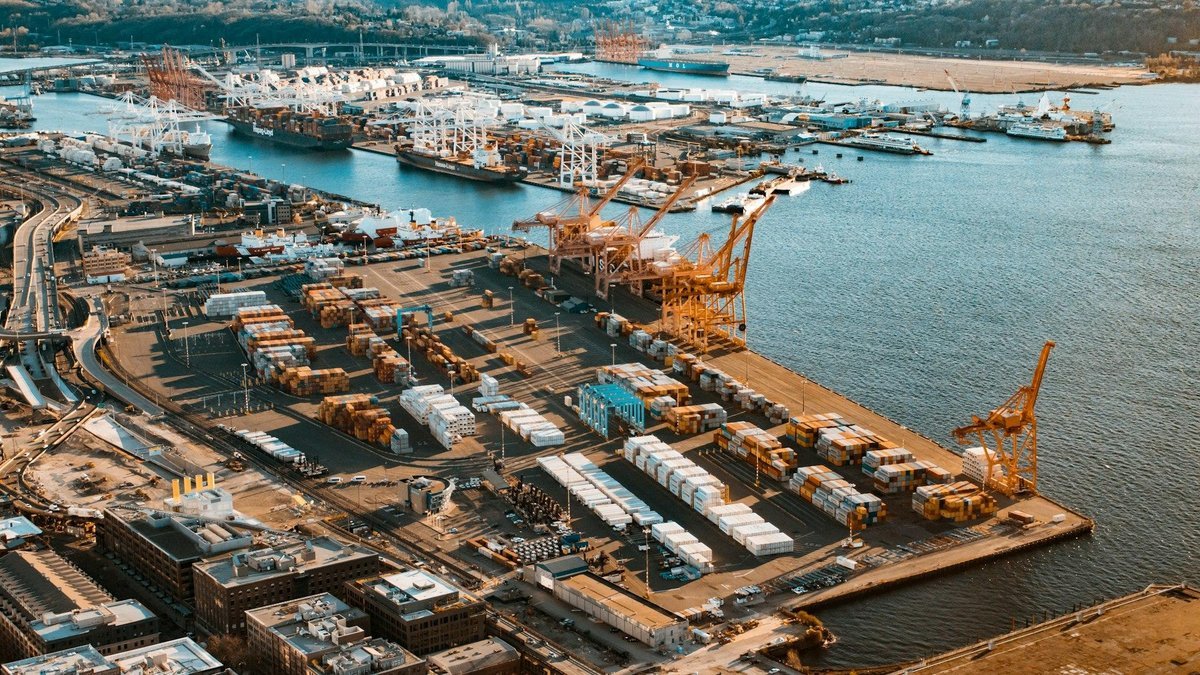
Ports in South Korea and Australia have successfully executed green ammonia bunkering operations, signaling a transition from isolated trials toward the establishment of functional supply chains for zero-carbon marine fuels.
The Ulsan Port Authority (UPA) delivered approximately 800 tonnes of green ammonia to the Terra Clove, a 93,000 m³ very large ammonia carrier (VLAC) owned by Eastern Pacific Shipping (EPS). The operation, conducted on October 25–26 at Ulsan Main Port, utilized a pipe-to-ship (PTS) system to transfer fuel directly from shore-based facilities provided by LOTTE Fine Chemical.
Operational Flexibility in the Pilbara
In a parallel development, Pilbara Ports completed Australia’s first green ammonia bunkering at the Port of Port Hedland on November 2. The 300-meter dry bulk carrier Mineral Europa received certified green ammonia via a ship-to-ship (STS) transfer. The operation was completed in two hours before the vessel entered the port to load iron ore for China under a charter with Fortescue.
The use of STS transfer in the Pilbara highlights a critical operational milestone for the dry bulk sector. By bunkering in the outer harbor before berthing, vessel operators can bypass the need for specialized shore-side ammonia infrastructure at high-volume loading terminals, maintaining the efficiency of the iron ore supply chain while adopting alternative fuels.
Scaling the Green Corridor
The Pilbara operation involves a partnership between Pilbara Ports, Fortescue, and CMB.TECH. Beyond the Mineral Europa, Fortescue currently charters nine other CMB.TECH vessels designed for future ammonia conversion, suggesting a clear pathway for scaling zero-carbon operations on the Australia-to-China trade route.
The Ulsan operation builds on the port’s previous bunkering activities and aims to finalize the regulatory and operational frameworks required for full-scale commercial ammonia bunkering. These dual developments in major export and industrial hubs provide the necessary infrastructure bookends for a viable green ammonia corridor in the Asia-Pacific region.
Source: World Cargo News