

Norway Awards $44 Million to Accelerate Zero-Emission Fleet Deployment
Enova grants $44 million to nine maritime projects, targeting hydrogen and ammonia container ships and large-scale battery retrofits.
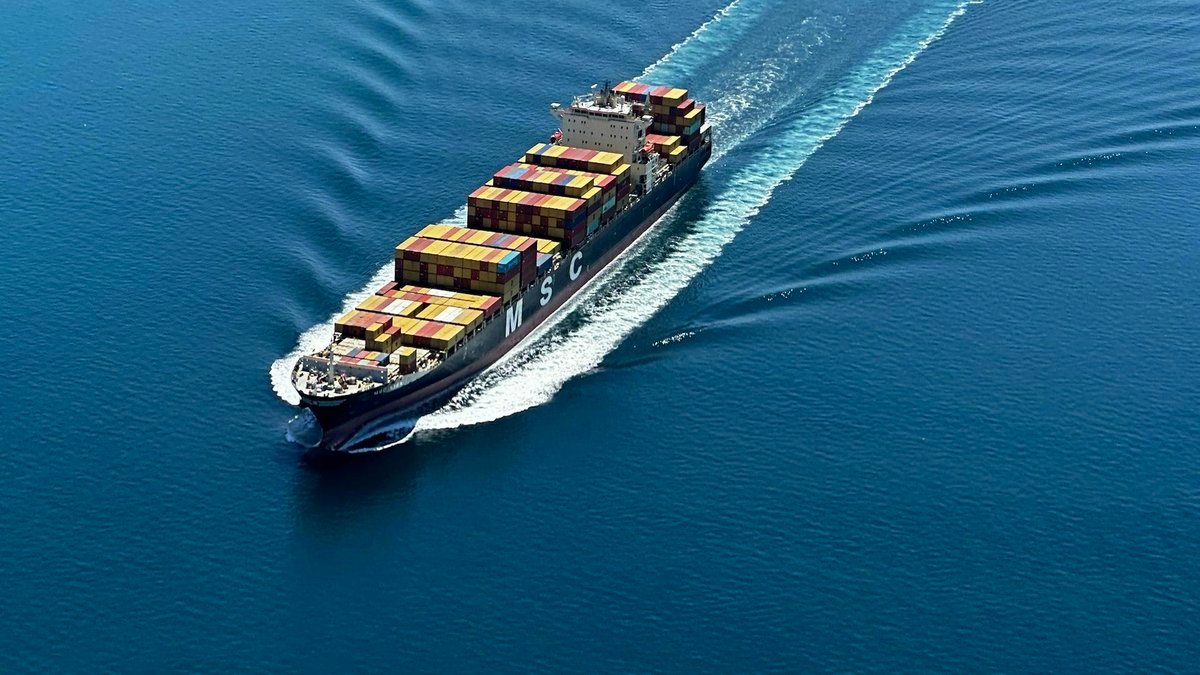
Norway’s state-owned Enova has awarded NOK 468 million ($44 million) in grants to nine maritime projects, signaling a decisive shift from pilot testing toward the commercial deployment of hydrogen, ammonia, and battery-electric propulsion systems.
The funding targets a diverse range of vessel types, including short-sea container ships, bulkers, and cruise ferries. By providing direct capital for these high-cost propulsion technologies, the Norwegian government is effectively de-risking the transition for early adopters in the regional shipping market.
Scaling Alternative Fuels in Short-Sea Trade
The largest individual grants focus on the container segment, which is increasingly viewed as the primary testing ground for zero-emission fuels. Viasea Shipping received NOK 171.8 million for two hydrogen-powered container ships, while North Sea Container Line (NCL) was awarded NOK 137 million for two ammonia-powered vessels.
This concentration of capital suggests that short-sea shipping routes in Northern Europe are being positioned as the first viable corridors for ammonia and hydrogen. For shipowners, the development implies that the technical hurdles of handling these fuels are being superseded by the commercial challenge of infrastructure, which these funded vessels will now help to stimulate.
The Retrofit Path to Decarbonization
Beyond newbuilds, a significant portion of the funding is directed toward the existing fleet. Fjord Line received NOK 44.8 million to convert two of its cruise ferries to battery power. This move highlights a critical shift in the industry: battery technology is no longer reserved for small electric fjords or newbuilds but is now considered a viable mid-life upgrade for large-scale passenger vessels.
For the broader maritime market, the Fjord Line retrofit project serves as a proof of concept for extending the operational life of existing assets while meeting tightening environmental regulations. It suggests that shipowners may not need to wait for the next generation of hulls to achieve significant emissions reductions, provided the capital support for battery integration is available.
The remaining grants cover a variety of specialized vessels, including electric tugs and bulkers equipped with battery-hybrid systems. These projects collectively reinforce Norway’s strategy of building a multi-fuel ecosystem rather than betting on a single technological winner, ensuring the regional supply chain is prepared for various decarbonization pathways.
Source: The Maritime Executive