G2 Ocean Expands Fleet with Alt-Fuel Ready Ships | Mariner News
In a significant move poised to redefine sustainable shipping practices, G2 Ocean, the world’s largest open hatch ship operator, has announced a strategic expansion of its fleet with the addition of six new alt-fuel ready open hatch vessels. This forward-thinking initiative underscores G2 Ocean’s unwavering commitment to maritime decarbonization and heralds a new era for environmentally conscious cargo transport. These cutting-edge vessels are not merely new additions; they represent a tangible investment in the future of the maritime industry, designed with the flexibility to convert to alternative fuels like methanol and ammonia propulsion, thereby setting a formidable benchmark for eco-friendly operations. This proactive approach to fleet renewal and enhancement positions G2 Ocean at the forefront of the global push towards greener maritime solutions, promising reduced emissions and a more sustainable supply chain for their diverse clientele.
Driving Decarbonization in Maritime Shipping
The global maritime industry faces increasing pressure to reduce its carbon footprint and adopt more sustainable practices. International regulations, environmental concerns, and stakeholder demands are pushing shipping companies towards innovative solutions for decarbonization. G2 Ocean’s decision to integrate alt-fuel ready open hatch vessels into its fleet pool is a clear testament to its dedication to addressing these challenges head-on. By embracing vessels engineered for future fuels, the company is not just complying with impending standards but actively shaping the trajectory of green shipping. This strategic pivot towards cleaner energy sources for propulsion illustrates a profound understanding of the long-term environmental and economic benefits associated with sustainable maritime transport. The move also serves as an inspiration for other industry players to accelerate their own transitions to more environmentally responsible operations, creating a ripple effect across the sector.
The emphasis on alternative fuels like methanol and ammonia is particularly significant. These fuels offer pathways to significantly lower, or even zero, greenhouse gas emissions compared to traditional heavy fuel oil. While the infrastructure for widespread adoption of these fuels is still evolving, designing vessels that are ‘alt-fuel ready’ provides crucial flexibility. It allows G2 Ocean to adapt swiftly to technological advancements and infrastructure development, ensuring their fleet remains at the cutting edge of environmental performance for decades to come. This foresight in naval architecture and engineering underscores a strategic vision that extends far beyond immediate operational needs, focusing instead on long-term ecological stewardship and operational resilience.
The New Fleet: Specifications and Strategic Importance
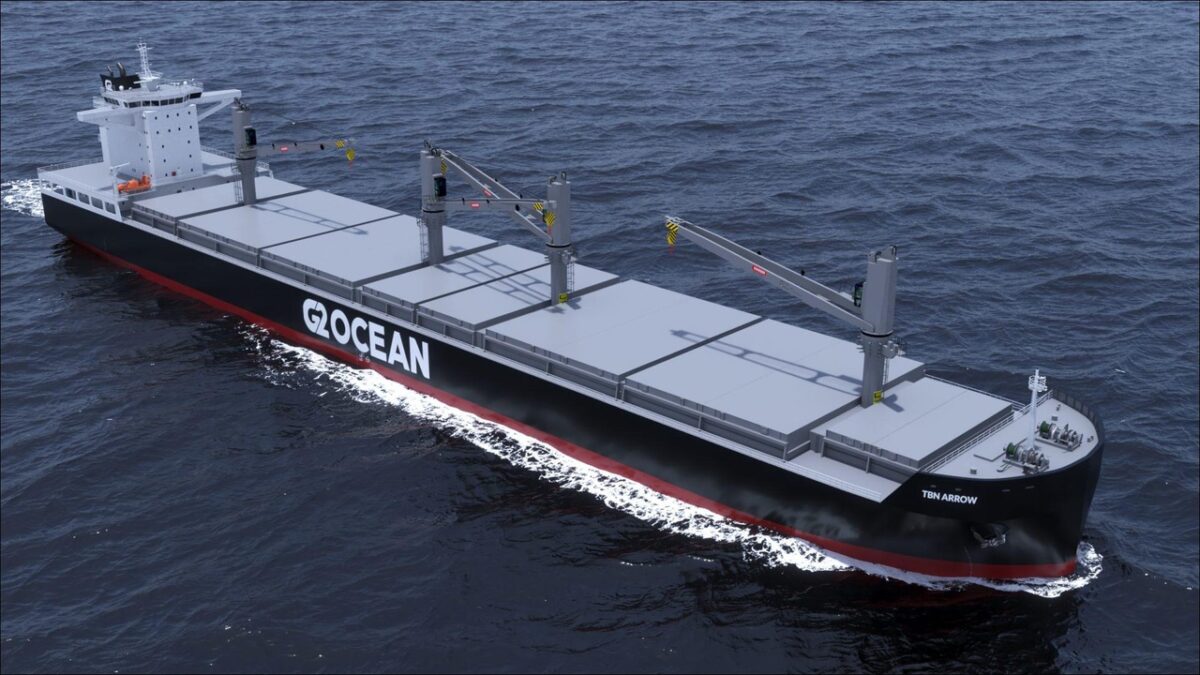
The six new open hatch gantry crane vessels are set to join G2 Ocean’s impressive fleet from 2029. Each vessel boasts a deadweight capacity of 65,400 tonnes, making them highly capable for transporting a wide range of forest products, bulk commodities, and project cargo. The ‘open hatch’ design, combined with gantry cranes, provides exceptional flexibility and efficiency for loading and unloading diverse cargo types, a hallmark of G2 Ocean’s operational excellence. These specifications are crucial for maintaining the company’s position as a leader in specialized cargo segments, ensuring that increased sustainability does not come at the expense of operational capability or efficiency. The new ships will be constructed by New Dayang Shipbuilding in Yangzhou, China, a shipyard known for its expertise in building advanced and specialized vessels, further reinforcing the quality and reliability of G2 Ocean’s future assets.
The ‘alt-fuel ready’ designation is central to the strategic importance of these newbuilds. It means the vessels are designed with space and infrastructure provisions that will allow for future conversion to run on alternative fuels such as methanol or ammonia. This future-proofing minimizes the financial and logistical complexities of retrofitting vessels later, making the transition to cleaner energy more seamless and cost-effective. By making this investment now, G2 Ocean is safeguarding its fleet against potential future carbon taxes or more stringent emission regulations, ensuring long-term competitiveness and sustainability. This proactive planning is a critical component of G2 Ocean’s overall strategy to enhance its environmental performance and secure its leadership in the specialized bulk shipping sector. The integration of advanced features from the outset exemplifies a robust commitment to both innovation and environmental responsibility.
G2 Ocean’s Comprehensive Fleet Renewal Program
The addition of these six alt-fuel ready vessels is part of a much broader and ambitious fleet renewal program undertaken by G2 Ocean. This program also includes the delivery of 10 newbuild vessels between 2026 and 2029, with the first vessel, the Star Norge, having already been successfully delivered earlier this year. This continuous influx of modern, efficient tonnage is vital for maintaining a competitive edge and meeting the evolving demands of global trade. The systematic replacement of older vessels with newer, more efficient models significantly contributes to a reduction in overall fleet emissions and improves operational reliability across the board. The comprehensive nature of this program demonstrates G2 Ocean’s dedication to modernizing its entire operational framework.
Beyond new acquisitions, G2 Ocean is also making significant investments in upgrading its existing fleet. A prime example is the general cargo vessel Star Kirkenes, which is being fitted with AirWing 20 jet sails. This innovative wind-assisted propulsion system is designed to harness wind power, thereby significantly lowering bunker fuel consumption and reducing emissions. Such retrofits are an essential part of G2 Ocean’s multi-faceted approach to decarbonization, showcasing that sustainability efforts are not limited to newbuilds but extend to enhancing the environmental performance of their entire operational fleet. These dual strategies – new alt-fuel ready vessels and upgrades to existing ships – highlight a holistic commitment to reducing the environmental impact of their operations and driving the industry towards a greener future. The integration of cutting-edge technology like jet sails underscores a practical and immediate impact on fuel efficiency and emissions reduction.
The Future of Maritime Fuels: Methanol and Ammonia
Methanol and ammonia are increasingly recognized as leading contenders for future maritime fuels, offering distinct advantages in the pursuit of decarbonization. Methanol, a liquid fuel, is relatively easier to handle and store compared to cryogenic fuels like LNG or highly toxic fuels like ammonia. It can be produced from various sources, including biomass and renewable electricity (e-methanol), offering a pathway to significant greenhouse gas reductions. Ammonia, on the other hand, contains no carbon, meaning its combustion produces zero CO2 emissions. It can be produced using renewable electricity (green ammonia), offering a potentially carbon-free fuel source. While both have their challenges – ammonia’s toxicity and nitric oxide emissions, and methanol’s lower energy density – their potential for drastically reducing emissions makes them attractive options for the long-term sustainability of shipping. G2 Ocean’s commitment to designing vessels capable of utilizing these fuels demonstrates a clear vision for navigating the evolving landscape of maritime energy. By preparing for multiple alternative fuel options, G2 Ocean mitigates risks associated with the eventual dominance of a single fuel type.
Investing in alt-fuel ready vessels specifically tailored for methanol or ammonia highlights G2 Ocean’s strategic foresight. It allows the company to participate actively in the development and adoption of these cleaner energy solutions, contributing to the necessary economies of scale and infrastructure development. The transition to such fuels is not merely a technical undertaking but also an economic and logistical one, requiring collaboration across the entire maritime value chain. G2 Ocean’s early adoption signals confidence in these fuels’ viability and encourages further investment in their production and supply. This proactive stance ensures that G2 Ocean will be well-prepared to operate its fleet efficiently and sustainably in a future where conventional fossil fuels may be heavily restricted or phased out. The ability to switch between fuel types also offers resilience against market fluctuations and supply chain disruptions.
G2 Ocean’s Vision for a Greener Global Fleet
Founded in 2017 by industry titans Gearbulk and Grieg Maritime Group, G2 Ocean has rapidly established itself as a pioneering force in the shipping world. Its continued investment in alt-fuel ready open hatch vessels and fleet modernization solidifies its position as a leader in specialized dry bulk and forest product transport. This vision extends beyond mere compliance; it’s about setting new industry standards for environmental stewardship and operational excellence. The company’s proactive measures in adopting green technology and preparing for a low-carbon future resonate with the growing global demand for sustainable logistics solutions. By prioritizing eco-friendly shipping, G2 Ocean not only contributes to a healthier planet but also enhances its brand reputation and offers added value to environmentally conscious clients. This commitment reinforces the notion that economic success and environmental responsibility can, and must, go hand in hand in the modern maritime industry.
In conclusion, G2 Ocean’s announcement to add six alt-fuel ready open hatch vessels to its fleet marks a pivotal moment in the company’s trajectory and for the broader maritime sector. This strategic investment, alongside its ongoing comprehensive fleet renewal program, including the integration of wind-assisted propulsion systems, underscores a resolute commitment to decarbonization. As the shipping industry navigates the complexities of environmental regulations and the imperative to reduce its carbon footprint, G2 Ocean stands out as a proactive innovator. Their dedication to embracing alternative fuels and advanced green technologies positions them not just as a participant, but as a driving force in the transition towards a more sustainable and environmentally responsible global fleet, ultimately charting a course for a greener future in marine transport.