BIMCO Guidance for Strait of Hormuz Vessel Transit | Mariner News
The maritime industry is constantly navigating complex geopolitical landscapes, and few areas demand as much vigilance and strategic planning as the Strait of Hormuz. Recognising the inherent challenges and heightened risks associated with this critical waterway, BIMCO, in a collaborative effort with leading industry organisations, has released comprehensive guidance for vessel transit through the Strait of Hormuz. This pivotal document is designed to enhance maritime security and navigational safety, providing essential recommendations for ship operators and crews. As global trade relies heavily on the unimpeded flow of vessels through this chokepoint, understanding and implementing these updated best practices is not merely advisable, but imperative for safeguarding assets, personnel, and operational continuity in the region.
This crucial initiative comes at a time when hundreds of vessels might be expected to return to more normalised navigation conditions within the Strait, potentially creating a considerable navigational hazard due to the sheer volume and varied operational procedures. The collaborative effort, which includes powerhouses like ICS, INTERCARGO, INTERTANKO, IMCA, and OCIMF, underscores a united industry front committed to mitigating risks and ensuring the safest possible passage for all maritime traffic. The guidance does not replace but rather complements the existing Best Management Practices Maritime Security (BMP MS), offering a focused approach to the unique complexities of the Strait of Hormuz. It serves as a vital tool to support voyage-specific threat and risk assessment, facilitating robust shipboard and office planning for secure maritime operations.
The Strategic Significance of the Strait of Hormuz for Global Shipping
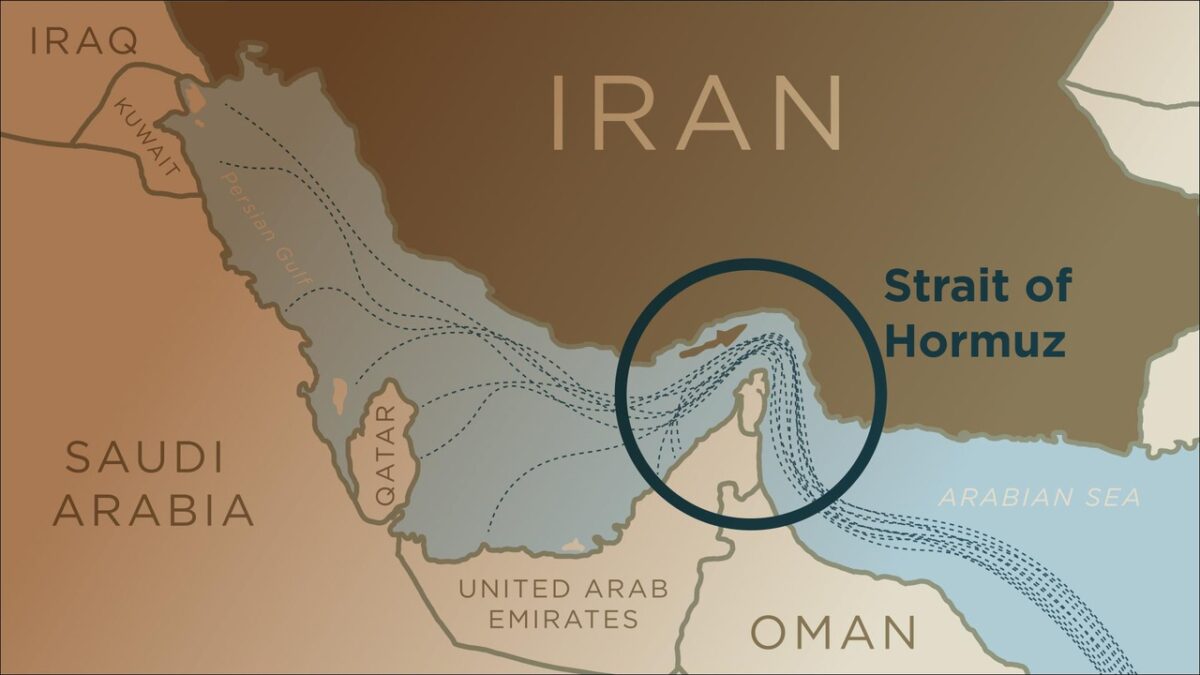
The Strait of Hormuz stands as one of the world’s most vital maritime chokepoints, connecting the Persian Gulf with the Arabian Sea and beyond. Its strategic location means that an enormous volume of global seaborne oil and liquefied natural gas (LNG) transits through its narrow waters daily, making it indispensable for international energy markets and, by extension, the global economy. Any disruption in this area can send ripple effects across commodity prices, supply chains, and international relations, highlighting its paramount importance not just for the shipping industry but for global stability.
Geographically, the Strait is remarkably narrow, approximately 21 nautical miles wide at its narrowest point, with the shipping lanes for inbound and outbound traffic each just two nautical miles wide, separated by a two-mile buffer zone. This confined space, combined with high traffic density, makes navigational safety a constant concern, even without the added layer of security threats. The unique conditions demand heightened situational awareness and adherence to stringent operational protocols to prevent collisions and groundings, which could have catastrophic environmental and economic consequences.
Historically, the Strait has been a focal point for geopolitical tensions, experiencing various incidents that underscore the volatile nature of the region. From tanker wars in the 1980s to more recent acts of aggression against commercial shipping, the security environment has often been unpredictable. These challenges necessitate a proactive and unified approach from the maritime community to ensure the continued safe passage of vessels. The guidance from BIMCO and its partners directly addresses these persistent security concerns, offering a framework for enhanced preparedness and response.
Understanding the New BIMCO-Led Maritime Security Guidance
At its core, the newly released guidance is a testament to the shipping industry’s commitment to self-regulation and proactive risk management in high-risk areas. It is the culmination of extensive collaboration between key maritime organisations: BIMCO, the International Chamber of Shipping (ICS), INTERCARGO, INTERTANKO, the International Marine Contractors Association (IMCA), and the Oil Companies International Marine Forum (OCIMF). This multi-sectoral involvement ensures that the recommendations are comprehensive, practical, and applicable across various types of vessels and operations, from dry cargo to tankers and offshore support vessels.
The document is specifically designed to augment the existing Best Management Practices for Protection against Somalia-based Piracy (BMP5) and more broadly, the general principles of maritime security. It acknowledges that while BMP5 provides a robust framework for dealing with piracy threats, the Strait of Hormuz presents a distinct set of challenges, often involving state or non-state actors with different motivations and capabilities. Therefore, this new guidance offers region-specific considerations, ensuring that vessels are equipped with the most relevant and up-to-date information for their voyage planning.
One of the primary objectives of the guidance is to facilitate robust voyage-specific threat and risk assessment. This goes beyond generic security protocols by encouraging ship operators and masters to evaluate the unique circumstances of each transit through the Strait. It prompts them to consider current intelligence, prevailing security conditions, and the specific vulnerabilities of their vessel and cargo. By doing so, it empowers shipping companies to make informed decisions and implement proportionate security measures, thereby significantly enhancing the safety and security posture of vessels operating in the Arabian Gulf region.
Key Recommendations for Safe Vessel Transit and Operational Planning
The guidance outlines several critical recommendations for vessels preparing for and undertaking transit through the Strait of Hormuz. A cornerstone of effective maritime security is meticulous pre-voyage planning. This involves gathering the latest intelligence on the security situation, understanding potential threats, and conducting a thorough risk assessment. Masters and security officers are advised to continuously monitor official channels and industry advisories for any changes in threat levels or operational guidance. Clear communication protocols, both internally within the vessel and externally with relevant authorities and company security officers, are emphasised as vital for rapid response and coordination.
For vessels transiting the Strait, the guidance stresses the importance of maintaining heightened vigilance and situational awareness. This includes employing additional lookouts, particularly during hours of darkness or restricted visibility, and fully utilising radar and Automatic Identification System (AIS) to track other vessels. Establishing and maintaining effective bridge watchkeeping procedures is paramount to navigate the dense traffic and potential hazards. The ability to identify suspicious activity or anomalous behaviour by other crafts can be crucial in preempting potential threats and taking evasive action.
Furthermore, the document provides practical advice on onboard security measures. This might include ensuring the ship’s Citadel (safe muster point) is ready, implementing enhanced access control, and conducting regular drills for emergency scenarios. Crew training and awareness are also highlighted, ensuring that all personnel understand their roles and responsibilities in a security incident. Equipping the crew with the knowledge and skills to respond effectively to various threats, from close-quarter approaches to more serious security breaches, is essential for their safety and the overall resilience of the vessel. Adherence to these guidelines contributes significantly to the overall navigational safety and security of commercial shipping in the area.
Mitigating Navigational Hazards and Security Risks
The Strait of Hormuz presents a dual challenge: inherent navigational complexities and persistent security risks. The guidance from BIMCO and partners directly addresses both. The potential for hundreds of vessels to navigate the Strait simultaneously, especially after periods of restricted movement, creates a dynamic and potentially hazardous environment. This demands superior seamanship, strict adherence to collision regulations, and effective bridge resource management. Vessels are urged to maintain safe speeds, adhere to traffic separation schemes (TSS), and communicate clearly their intentions to other traffic, using all available means to avoid close-quarter situations.
Beyond navigational perils, the ongoing security threats in the region necessitate a robust risk mitigation strategy. The guidance assists masters in conducting dynamic threat assessments, enabling them to identify and evaluate various potential risks, including but not limited to, asymmetric attacks from fast-attack craft, drone activity, or even the potential for mine laying. Understanding these diverse threat vectors allows for a tailored response, rather than a generic one. This proactive approach helps vessels to remain agile and resilient in the face of evolving security landscapes.
Effective risk mitigation also involves robust reporting procedures. The guidance encourages prompt and accurate reporting of any suspicious activity or security incidents to relevant maritime security centres and company security officers. Timely information sharing is vital for building a comprehensive picture of the security environment and enabling broader industry and naval responses. Furthermore, the document highlights the importance of liaison with naval forces operating in the region, seeking their advice and support when necessary. Such collaboration significantly enhances the protection of commercial shipping and reinforces collective security efforts.
Enhancing Compliance and Industry Best Practices
Adherence to the BIMCO-led guidance is not just about individual vessel safety; it’s about upholding international maritime standards and fostering a culture of compliance across the entire shipping industry. Implementing these best practices contributes to a more secure and predictable environment for all vessels operating in the Strait of Hormuz. For shipowners and operators, demonstrating robust compliance can also have positive implications for insurance premiums and relationships with charterers, showcasing a commitment to due diligence and responsible maritime operations. It helps to minimise potential liabilities and ensures operational continuity in a region often characterised by uncertainty.
The guidance serves as a living document, reflecting the shipping industry’s continuous adaptation to evolving threats and challenges. It underscores the collective responsibility of all stakeholders – shipowners, masters, crew, flag states, and international organisations – to contribute to maritime security. By standardising responses and sharing best practices, the industry aims to create a stronger, more resilient front against potential disruptions. This commitment to continuous improvement ensures that the guidance remains relevant and effective in an ever-changing geopolitical climate.
Ultimately, the successful implementation of this guidance for vessel transit through the Strait of Hormuz will depend on the proactive engagement of every vessel and every shipping company. By embracing these enhanced security measures and operational planning strategies, the industry can collectively work towards safer, more secure passages for vessels, crew, and cargo. This proactive stance is essential for safeguarding global supply chains and maintaining the integrity of international maritime trade, reinforcing the critical role of organizations like BIMCO in promoting peace and safety at sea. All stakeholders are urged to integrate these recommendations into their standard operating procedures without delay.