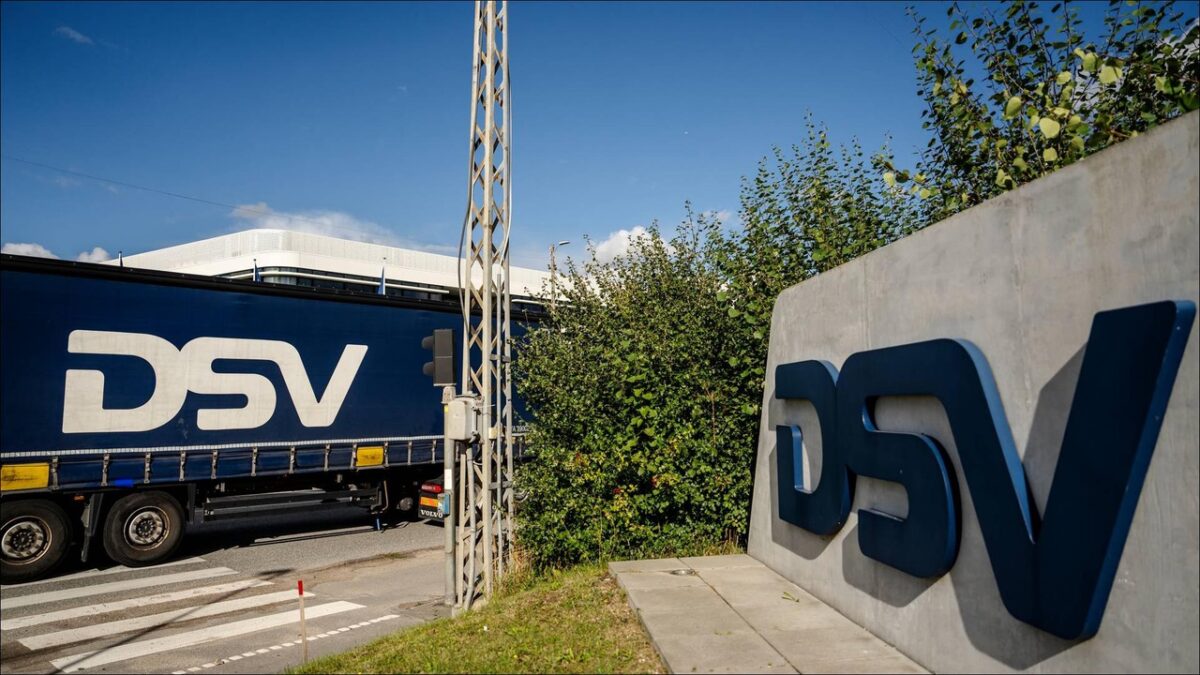
DSV Schenker Integration: 8,000 Job Cuts & Logistics Future | Mariner News
The global logistics landscape is witnessing a monumental transformation as DSV’s ambitious integration of Schenker progresses steadfastly, a process marked by significant strategic realignment including the planned reduction of approximately 8,000 jobs. This major industry event signals DSV’s resolute commitment to consolidating its market leadership and enhancing operational efficiencies across its vast global network. The move is set to reshape the competitive dynamics of freight forwarding and supply chain management, impacting numerous stakeholders from employees to customers and rivals alike. As DSV works to seamlessly merge the operations of Schenker, the focus remains on delivering unparalleled service and value, even as the complex task of workforce integration and optimization unfolds.
The Strategic Imperative: Unpacking the DSV Schenker Integration
DSV’s decision to acquire Schenker was driven by a clear strategic imperative: to solidify its position as one of the largest and most powerful players in the global logistics arena. This pivotal acquisition significantly expands DSV’s footprint, particularly strengthening its capabilities in contract logistics and land transport, complementing its already robust air and sea freight operations. The merger allows DSV to achieve greater network density, operational scale, and a broader geographical reach, creating a more comprehensive and resilient supply chain offering for its diverse clientele. This strategic move is not merely about size; it’s about leveraging combined resources to achieve superior market penetration and service delivery.
The rationale behind such a large-scale integration often revolves around unlocking substantial synergies. For DSV, integrating Schenker is expected to generate considerable cost efficiencies through optimized procurement, shared IT infrastructure, and streamlined administrative functions. Furthermore, the combined entity will possess enhanced technological capabilities and expertise, fostering innovation in areas such as digitalization, automation, and sustainable logistics solutions. This strategic alignment aims to create a more agile and responsive organization capable of navigating the complexities of modern global trade and meeting evolving customer demands.
In an industry characterized by increasing consolidation, the DSV Schenker integration stands as a testament to the pursuit of competitive advantage. Companies are increasingly seeking to expand their service portfolios and global reach to offer end-to-end solutions. This trend reflects the growing demands from multinational corporations for integrated logistics partners who can manage complex supply chains efficiently and reliably across various modes of transportation and geographical boundaries. The strategic decision by DSV to absorb Schenker places it in a formidable position to capitalize on these market trends and drive future growth.
Workforce Realignment: Addressing the 8,000 Job Reductions
A critical, yet sensitive, aspect of any large-scale merger is the inevitable impact on the workforce. The planned reduction of 8,000 jobs within the integrated DSV Schenker entity underscores the difficult but often necessary steps taken to eliminate redundancies and optimize organizational structures. These job cuts are primarily expected to occur in areas where there is significant overlap in administrative, managerial, and support functions, as well as in certain operational segments across the two previously separate organizations. The aim is to create a leaner, more efficient operational model that reflects the unified strategic direction of the new combined business.
Recognizing the human element of such a substantial workforce realignment, DSV is likely implementing comprehensive support programs for affected employees. These initiatives typically include severance packages, outplacement services, career counseling, and assistance with job searching. The goal is to facilitate a smoother transition for those impacted, providing them with resources and opportunities to secure new employment. While the necessity of these reductions is rooted in achieving long-term business sustainability and efficiency, the human cost is always a significant consideration for leadership teams overseeing such profound organizational changes within the global logistics sector.
Looking beyond the immediate impact, the remaining and newly integrated workforce will be crucial to the success of the unified company. DSV’s strategy involves cultivating a culture that embraces change, encourages collaboration, and focuses on continuous improvement. Investing in reskilling and upskilling programs for existing employees will be vital to ensure they possess the capabilities required for new roles and evolving industry demands. The successful integration of talent, alongside technological and operational systems, will ultimately determine the long-term effectiveness and competitive edge of the combined DSV and Schenker entities in the global freight forwarding market.
Operational Synergies and Enhanced Global Logistics Capabilities
The integration process goes far beyond administrative restructuring; it involves the intricate task of merging operational systems, processes, and networks. DSV’s plan includes harmonizing IT platforms, optimizing warehouse management, and streamlining transport routes across air, sea, and road freight services. This comprehensive approach to operational synergy is designed to create a more robust and responsive logistics infrastructure. The aim is to leverage the best practices from both DSV and Schenker to establish a unified operational framework that is both highly efficient and adaptable to market fluctuations, delivering a superior service experience to customers worldwide.
By combining their extensive global networks, DSV is poised to offer an unparalleled reach and depth of service. Customers can expect access to a wider range of transportation solutions, improved transit times, and enhanced visibility across their supply chains. The integration facilitates greater consolidation of cargo, leading to more optimized routes and potentially reduced environmental impact. Furthermore, the combined entity will be better equipped to invest in and deploy cutting-edge technologies, from advanced tracking systems to AI-driven demand forecasting, further enhancing the reliability and efficiency of their freight forwarding services.
This consolidation also strengthens DSV’s negotiating power with carriers and suppliers, potentially leading to more competitive pricing and better service agreements. For businesses relying on efficient cargo movement, this translates into tangible benefits, including cost savings and greater supply chain resilience. The synergistic effects of merging two logistics powerhouses like DSV and Schenker are expected to manifest in a more streamlined, cost-effective, and innovation-driven global logistics provider, capable of setting new benchmarks for the industry.
Navigating Challenges and Embracing Opportunities in Post-Merger Dynamics
While the strategic benefits of the DSV Schenker integration are clear, the path to full realization is often fraught with challenges. Cultural integration, for instance, can be a complex undertaking, requiring careful management to merge different corporate philosophies and employee expectations. Ensuring that diverse teams coalesce into a cohesive unit, sharing common goals and values, is paramount for long-term success. Regulatory approvals, especially in various international jurisdictions, can also present hurdles, necessitating diligent compliance and skillful navigation of legal frameworks.
Market volatility and unforeseen economic shifts can also impact the integration timeline and outcomes. The global supply chain has demonstrated its susceptibility to disruptions in recent years, making adaptability a key requirement for post-merger entities. DSV must remain agile, ready to adjust its strategies in response to geopolitical events, trade policy changes, or shifts in consumer demand. A robust risk management framework is essential to mitigate potential setbacks and ensure the smooth progression of the integration plan.
Despite these challenges, the integration presents immense opportunities for growth and innovation. The combined intellectual capital and diversified service portfolio enable DSV to explore new markets, develop specialized logistics solutions for niche industries, and further invest in sustainable practices. By embracing digital transformation and focusing on customer-centricity, the integrated entity can create significant competitive barriers and foster enduring client relationships, solidifying its dominant presence in the global freight and transportation sector.
Impact on Customers, Competitors, and the Broader Supply Chain Ecosystem
For customers, the DSV Schenker integration promises a more robust and expansive service offering. Businesses can expect a single, streamlined point of contact for complex global logistics needs, with access to a broader network of warehouses, transportation routes, and specialized services. The combined expertise and scale are expected to translate into improved efficiency, reliability, and potentially more competitive pricing, particularly for large-volume international shipments and intricate supply chain management solutions. The emphasis on enhanced digital tools and data visibility will also provide customers with greater control and insight into their cargo movements.
Competitors in the global logistics market will undoubtedly feel the effects of this consolidation. The emergence of an even larger and more integrated DSV-Schenker entity intensifies competition, potentially prompting other major players to pursue their own mergers or strategic alliances to maintain market share. This trend towards consolidation could lead to further shifts in the competitive landscape, creating an environment where only the most agile, efficient, and technologically advanced logistics providers can thrive. Smaller players may find it challenging to compete on scale and network density, pushing them towards specialized niche services.
Ultimately, the DSV Schenker integration holds significant implications for the broader global supply chain ecosystem. It represents a move towards greater resilience and efficiency in the face of complex international trade dynamics. The unification of these two giants could lead to new industry standards in terms of service quality, technological innovation, and sustainability. As the integration proceeds, its full impact on global trade flows, container shipping, and the movement of goods across continents will continue to unfold, marking a pivotal moment in the evolution of modern logistics.