Houthis Claim Attack on Saudi Oil Tankers | Mariner News
In a significant development that has sent ripples through global energy markets and raised serious concerns about maritime security, Yemen’s Houthi movement has reportedly claimed responsibility for attacks targeting Saudi Arabian oil tankers. This assertion, if confirmed, underscores the escalating tensions in the crucial Red Sea region, a vital artery for international shipping and a critical chokepoint for the world’s crude oil supply. The Houthis’ repeated threats to disrupt Saudi oil exports through the Bab al-Mandab strait have now seemingly materialized, posing a direct challenge to the safety of marine navigation and the stability of global energy supply chains. The incident highlights the precarious security landscape around the Arabian Peninsula, where the ongoing conflict in Yemen continues to spill over into international waters, affecting not just regional players but also global trade and economic stability.
The Strategic Significance of Targeting Oil Tankers
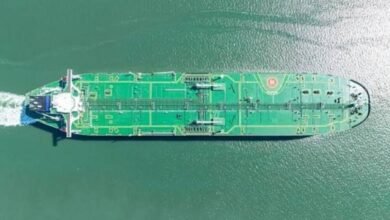
The Houthis’ reported targeting of Saudi oil tankers is not merely an isolated act but a calculated move designed to exert pressure on Saudi Arabia and its allies. These attacks are a clear demonstration of the rebels’ intent and capability to disrupt one of the world’s busiest maritime routes. By threatening and executing assaults on vessels carrying Saudi crude oil, the Houthis aim to inflict economic pain on the Kingdom, force a re-evaluation of its involvement in the Yemen conflict, and gain leverage in the protracted war. The Red Sea, connecting the Indian Ocean to the Mediterranean via the Suez Canal, is an indispensable corridor for tankers transporting oil and gas from the Middle East to Europe, North America, and Asia. Any interruption or perceived threat in this strait immediately triggers global alarm due to its profound implications for energy prices and trade.
Previous incidents have seen the Houthis employing unmanned surface vessels (USVs), remote-controlled explosive boats, and anti-ship missiles against Saudi naval vessels and commercial shipping. These tactics, though sometimes thwarted, have proven effective in creating a climate of fear and uncertainty among shipping companies. The psychological impact alone can lead to increased insurance premiums, rerouting of vessels, and higher operational costs, all of which ultimately affect consumer prices. The strategic objective is to transform a regional conflict into an international maritime security crisis, thereby drawing greater global attention and potentially intervention in their favor. The focus on Saudi Arabian oil tankers specifically aims to hit Riyadh where it is most vulnerable: its economic lifeline dependent on oil exports.
Global Maritime Security and Energy Supply Chains Under Threat
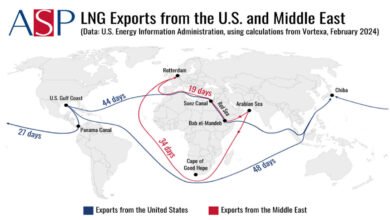
Attacks on vessels, particularly oil tankers, in critical waterways like the Red Sea and the Bab al-Mandab strait, have far-reaching consequences for global maritime security and energy markets. The Bab al-Mandab, a narrow passage between Yemen on the Arabian Peninsula, Djibouti, and Eritrea in the Horn of Africa, is only about 18 miles wide at its narrowest point, making it highly susceptible to disruption. Approximately 12% of the world’s seaborne oil, alongside significant volumes of liquefied natural gas (LNG) and containerized goods, passes through this chokepoint daily. A sustained threat or actual closure of this strait would force ships to reroute around the southern tip of Africa, significantly increasing transit times, fuel costs, and freight rates. This extended journey would place immense strain on global supply chains, leading to potential delays and higher prices for a wide array of commodities.
Beyond the immediate logistical challenges, such maritime incidents contribute to heightened geopolitical tensions and instability in an already volatile region. Insurers respond to increased risk by raising premiums for ships traversing these waters, making trade more expensive and less predictable. This directly impacts the profitability of oil and gas companies, potentially leading to higher crude oil prices globally as the cost of delivery increases. The international community, heavily reliant on the free flow of commerce through these waters, finds itself in a precarious position, balancing the need to protect shipping with the complexities of regional conflicts. The cumulative effect is a more uncertain and costly environment for international trade, demonstrating how local conflicts can have truly global repercussions on the availability and price of essential goods.
Saudi Arabia’s Response and Regional Dynamics
Saudi Arabia, leading a coalition involved in the Yemen conflict, has repeatedly condemned Houthi attacks on its assets and international shipping. The Kingdom views these actions as blatant acts of terrorism and a serious threat to global energy security. In response to previous threats and attacks, Saudi Arabia has taken steps to enhance its naval presence and improve its defensive capabilities in the Red Sea. However, the vastness of the maritime area and the asymmetric nature of Houthi warfare, often involving small, fast boats or explosive drones, present significant challenges for comprehensive protection. The Saudi-led coalition’s primary objective in Yemen has been to restore the internationally recognized government and neutralize the Houthi threat, which it considers an Iranian proxy attempting to destabilize the region. The ongoing conflict has created a humanitarian crisis and perpetuated a cycle of violence, making a political resolution increasingly elusive.
For Saudi Arabia, ensuring the unimpeded flow of its oil exports is a matter of national economic survival. Any significant disruption directly impacts its revenue, ability to fund public services, and overall economic stability. The Kingdom has historically relied on its ability to guarantee the security of its oil infrastructure and export routes to maintain its standing as a reliable global energy supplier. Houthi attacks on oil tankers challenge this reliability, potentially prompting concerns among international buyers and investors. This strategic vulnerability highlights the intricate link between the Yemen conflict and the broader regional power struggles, with maritime security becoming a critical battleground for influence and control.
International Reactions and Future Implications
The international community has largely condemned the Houthi attacks and calls for the protection of freedom of navigation in international waters. Major global powers, including the United States, have expressed grave concern over the threats to maritime commerce and stability in the Red Sea. There have been calls for de-escalation of the conflict in Yemen and renewed efforts towards a political solution that could bring an end to the hostilities. Naval forces from various nations, including those involved in anti-piracy operations, maintain a presence in the Gulf of Aden and the Red Sea, though comprehensively securing such a vast and complex maritime environment against evolving asymmetric threats remains a formidable challenge.
The long-term implications of these Houthi actions against Saudi oil tankers are manifold. They threaten to further militarize an already tense region, potentially drawing in more international actors and increasing the risk of miscalculation. For global trade, the sustained threat poses a continuous challenge to supply chain resilience, possibly leading to permanent shifts in shipping routes or increased reliance on alternative energy sources if the insecurity persists. Furthermore, these incidents underscore the urgent need for robust international cooperation on maritime security and a concerted diplomatic push to resolve underlying conflicts that fuel such disruptive acts. Without a resolution, the vital shipping lanes of the Red Sea will remain a flashpoint, constantly under the shadow of potential disruption, with direct consequences for global energy prices and economic stability. The world watches keenly as these developments unfold, hoping for a peaceful resolution that ensures the safety of global commerce.