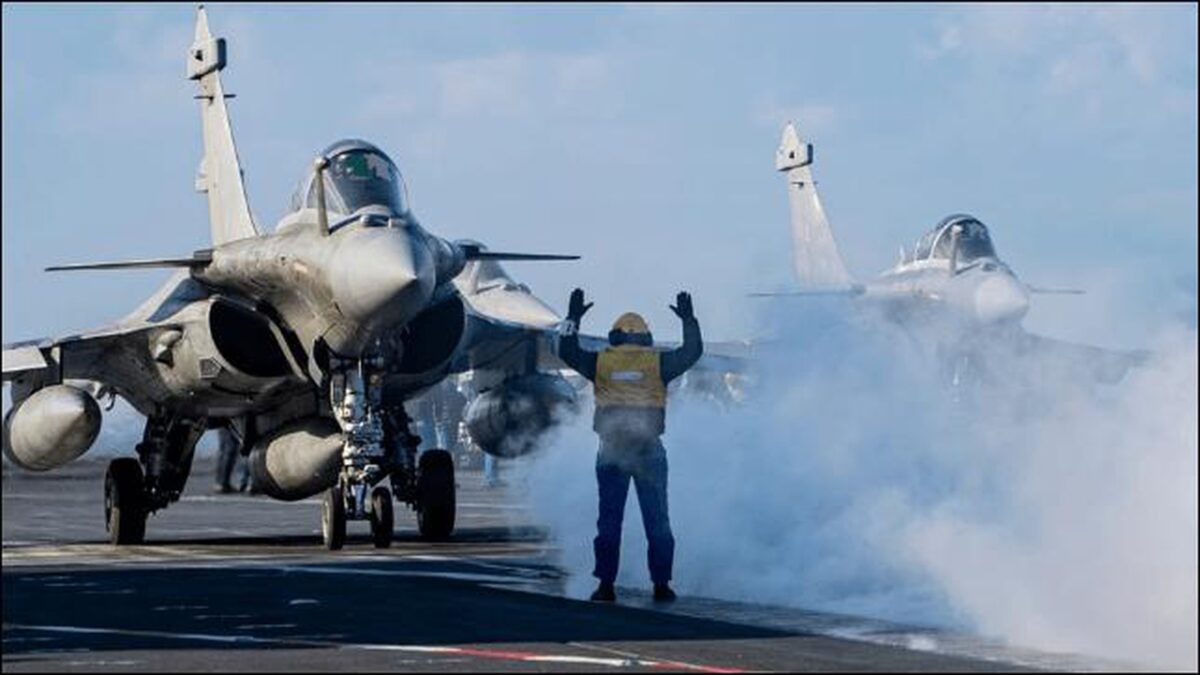
Charles De Gaulle Transits Bab el Mandeb Safely | Mariner News
The French Carrier Charles De Gaulle has successfully navigated the highly sensitive and strategically vital Strait of Bab el Mandeb, marking a significant event for regional maritime security and international naval operations. This critical passage, connecting the Red Sea to the Gulf of Aden, is renowned as a global choke point, making the safe transit of such a formidable naval asset a testament to meticulous planning and operational prowess. The French Navy’s commitment to maintaining freedom of navigation and ensuring stability in this crucial waterway remains unwavering, especially amidst the complex geopolitical landscape of the wider Middle East. The presence and passage of the Charles De Gaulle Carrier Strike Group underscore the continuous efforts by international navies to safeguard global trade routes and deter potential threats, reinforcing the delicate balance of power in an area prone to instability.
Navigating the Geopolitical Nexus: The Strait of Bab el Mandeb
The Strait of Bab el Mandeb, literally meaning “Gate of Tears,” lives up to its name, presenting both a vital artery for global commerce and a significant challenge for maritime security. This narrow waterway, merely 18 miles wide at its narrowest point, is a critical choke point for international shipping, funneling vast amounts of crude oil and commercial goods between the Indian Ocean and the Mediterranean Sea via the Suez Canal. Its strategic importance cannot be overstated; any disruption here can have immediate and far-reaching impacts on global energy markets and supply chains. For naval forces, navigating this strait demands heightened vigilance due to its geographical constraints and the historical prevalence of piracy and regional conflicts emanating from the unstable shores of Yemen and Somalia.
Over the past two decades, the Bab el Mandeb Strait has been a hotspot for maritime incidents, from acts of piracy targeting commercial vessels to politically motivated attacks. The Houthi rebels in Yemen, in particular, have demonstrated capabilities to threaten shipping in the southern Red Sea and the strait itself, utilizing drones and anti-ship missiles. Therefore, the successful transit of a high-value asset like the French Carrier Charles De Gaulle through these waters is not merely routine; it is a clear demonstration of naval power projection and a strategic move to affirm the principles of freedom of navigation in contested territories. Its passage sends a strong message about the international community’s resolve to protect global maritime commons and ensure the unimpeded flow of trade.
The Charles De Gaulle Carrier Strike Group’s Journey
The French Navy’s FS Charles de Gaulle (R91) Carrier Strike Group (CSG) embarked on a carefully orchestrated journey, which included a visible transit through the Suez Canal on May 6, attracting considerable attention. This move, while publicly noted, highlighted the French Navy’s distinct approach to operational information – often tighter than that of many other Western navies. Accompanying the nuclear-powered aircraft carrier was a robust contingent of support vessels, essential for a sustained deployment of this magnitude. This included a Jacques Chevallier-class replenishment oiler, likely the FS Jacques Chevallier (A725), crucial for extending the CSG’s operational range and endurance through at-sea resupply.
Further enhancing the strike group’s capabilities were an Aquitaine-class anti-submarine warfare destroyer, designed to protect against subsurface threats, and very likely at least an additional air defense frigate to counter aerial challenges. The integration of a nuclear submarine within the CSG would provide an invaluable covert layer of protection and intelligence gathering. This comprehensive composition underscores the multi-domain operational readiness of the French naval forces. Following its Red Sea transit, subsequent imagery confirmed the carrier anchored off Djibouti, where the French Navy maintains a significant naval base, with a Djibouti coastguard boat standing sentinel. This arrival in Djibouti, a key strategic location, provides a forward operating position for future missions in the Indian Ocean, illustrating France’s deep commitment to its strategic interests and alliances in the region.
Regional Security Landscape and Houthi Silence
One of the more intriguing aspects of the Charles De Gaulle’s transit through the southern Red Sea and Bab el Mandeb was the distinct lack of official commentary from Houthi-controlled media. Given the Houthis’ established coastal watch systems and their demonstrated capability to monitor and even threaten maritime traffic in these waters, the absence of adverse remarks is noteworthy. This silence, particularly from a group known for its assertive propaganda, stands in stark contrast to previous instances where their media channels have been quick to claim responsibility or make threats regarding perceived intrusions or operations in their vicinity. The implication here is significant, suggesting a potential shift in regional dynamics or a deliberate decision to avoid provocation.
This subdued reaction from Houthi sources aligns with other emerging indications suggesting a possible de-escalation, or even a winding down, of the protracted Yemeni civil war. For instance, a drone was intercepted over Eilat on May 12, an incident that under normal circumstances might have sparked immediate claims or counter-claims. However, neither Israeli nor Houthi authorities made any official comment, leaving the attribution of responsibility for the intrusion in considerable doubt. This collective reticence is unusual and points to a potentially evolving, more cautious approach from all parties involved, possibly influenced by ongoing diplomatic efforts or a desire to prevent further escalation in an already volatile region. The last acknowledged Houthi drone attack on Israel occurred on April 6, concluding a series of six drone and missile attacks since March 30, none of which caused significant damage or provoked Israeli reprisals, further reinforcing the narrative of a cautious thaw in tensions.
France’s Enduring Commitment to Maritime Patrols and International Cooperation
France’s naval presence in the Indian Ocean and Gulf region is not a recent development but rather a long-standing commitment rooted in historical ties and strategic interests. The naval base in Djibouti serves as a critical hub for French operations, enabling its forces to project power and maintain continuous maritime patrols across a vast and vital stretch of ocean. The deployment of the Charles De Gaulle Carrier Strike Group reaffirms France’s unwavering dedication to upholding freedom of navigation, a fundamental principle of international maritime law, in areas that are frequently challenged by regional instability or illicit activities. These operations are crucial not only for French national interests but also for contributing to broader international maritime security efforts.
Beyond simple patrols, the French Navy actively engages in counter-piracy operations, working in concert with international coalitions to secure trade routes that are vulnerable to threats from maritime banditry. This collaborative approach extends to joint exercises and intelligence sharing with allied navies, enhancing collective security and fostering regional partnerships. The presence of a carrier strike group, with its significant air power and defensive capabilities, acts as a powerful deterrent against potential aggressors and serves as a visible symbol of international resolve. By deploying such a formidable naval asset, France not only safeguards its own strategic objectives but also contributes substantially to the stability of global commerce, reinforcing the message that vital maritime corridors will remain open and secure for all nations.
Implications for Global Shipping and Future Red Sea Dynamics
The safe transit of the French Carrier Charles De Gaulle through the Strait of Bab el Mandeb, coupled with the unusual silence from Houthi forces, may signal a cautious but welcome shift in the security landscape for global shipping. For commercial shipping companies, the perceived de-escalation in the Yemeni civil war and the apparent reduction in Houthi aggression could lead to a reassessment of risk profiles for vessels transiting the Red Sea. Lower risk translates into potentially reduced insurance premiums and fewer diversions, ultimately benefiting global supply chains and consumers. However, vigilance remains paramount, as the region’s stability is often fragile and subject to rapid change.
Looking ahead, the dynamics of Red Sea security will continue to evolve, influenced by geopolitical shifts and the ongoing efforts of international naval forces. While a full withdrawal of naval presence is unlikely given the enduring strategic importance of the waterway, the nature and intensity of naval operations might adapt to the evolving threat environment. The incident highlights the critical role of naval deterrence and the ability of major powers to project stability. Maintaining secure transit routes through choke points like Bab el Mandeb is essential for the seamless flow of global trade and energy supplies, making the sustained commitment of international forces, whether through patrols or strategic deployments, indispensable for fostering an environment conducive to safe and efficient maritime commerce in this vital global corridor.
Reinforcing Stability in a Critical Waterway
The successful and uneventful transit of the French Carrier Charles De Gaulle through the Strait of Bab el Mandeb underscores a critical moment in maritime security, subtly reflecting the complex and potentially shifting regional dynamics. This passage not only highlights the operational excellence of the French Navy but also offers a glimpse into a period of apparent de-escalation in the wider Yemeni conflict. The strategic importance of the Bab el Mandeb and the Red Sea corridor cannot be overstated, serving as a vital artery for global commerce and a crucible for regional geopolitical tensions. France’s enduring commitment to maintaining a robust naval presence, exemplified by this carrier strike group deployment, is crucial for upholding international maritime law and safeguarding global trade routes.
As the geopolitical chessboard continues to rearrange itself, the need for vigilance, international collaboration, and strong naval deterrence remains paramount. The safe transit of the Charles De Gaulle, while a singular event, sends a powerful message about the collective resolve to ensure maritime safety and freedom of navigation in one of the world’s most critical waterways. It reassures commercial shipping and reinforces the delicate balance of power, paving the way for continued efforts towards greater stability and peace in this strategically indispensable region. Ultimately, the narrative around this transit is one of sustained commitment to international security in an ever-challenging maritime domain.