US Coast Guard Boards Yacht in High-Profile Missing Person Case | Mariner News
The ocean often holds untold stories, but few capture public attention quite like a high-profile missing person case at sea. Recently, the US Coast Guard undertook a challenging, meticulously planned operation, intercepting and boarding the sailing yacht Soulmate off the Florida coast. This dramatic development links directly to the perplexing disappearance of Lynette Hooker, sparking a comprehensive maritime investigation spanning international waters. The Coast Guard’s decisive action underscores the intricate nature of enforcing law and ensuring safety across global seas when individual lives are at stake. This unfolding saga highlights collaborative efforts to unravel a deeply troubling missing person case, marking a significant turn in a very public and complex inquiry into a sea disappearance.
The Unfolding Mystery of the Soulmate Yacht
The genesis of this intense investigation dates back to early April, when married couple Brian and Lynette Hooker embarked on a serene sailing trip through the picturesque Bahamas aboard their sail cruising yacht, the Soulmate. However, the voyage took a tragic turn on the night of April 4, when Lynette Hooker vanished without a trace from the vessel. Her husband, Brian Hooker, reported her absence to authorities in the early hours of April 5 after arriving on shore. Despite extensive initial searches and questioning by Bahamian authorities, no definitive indications of Lynette Hooker’s whereabouts have been discovered. Mr. Hooker was subsequently released, leaving a void of unanswered questions and fueling widespread media speculation about the circumstances.
The lack of concrete information surrounding Lynette’s disappearance propelled the case into the national spotlight, drawing considerable public concern regarding the safety of ocean voyages. The mystery of the Soulmate yacht became a focal point, with many wondering about the complexities of maritime law and investigations in international waters. This enduring enigma necessitated a more thorough and far-reaching inquiry, paving the way for U.S. federal agency involvement. The urgency to uncover the truth behind this unsettling missing persons investigation only intensified, underscoring the formidable challenges inherent in cases occurring far from land. Focus soon shifted to the US Coast Guard and their specialized investigative arm, the CGIS, to bring expertise to this baffling nautical puzzle, initiating a full-scale search and rescue effort.
US Coast Guard’s Complex Maritime Interdiction Operation
In response to the escalating complexity and public interest in the Lynette Hooker case, the Coast Guard Investigative Service (CGIS) took the lead in a parallel probe under U.S. jurisdiction. Their mandate was clear: to seize, secure, and search the yacht Soulmate, which had departed Marsh Harbor in the Bahamas and was en route to U.S. shores. This critical phase of the maritime investigation involved a sophisticated, highly coordinated effort, demonstrating the agency’s commitment to solving marine mysteries.
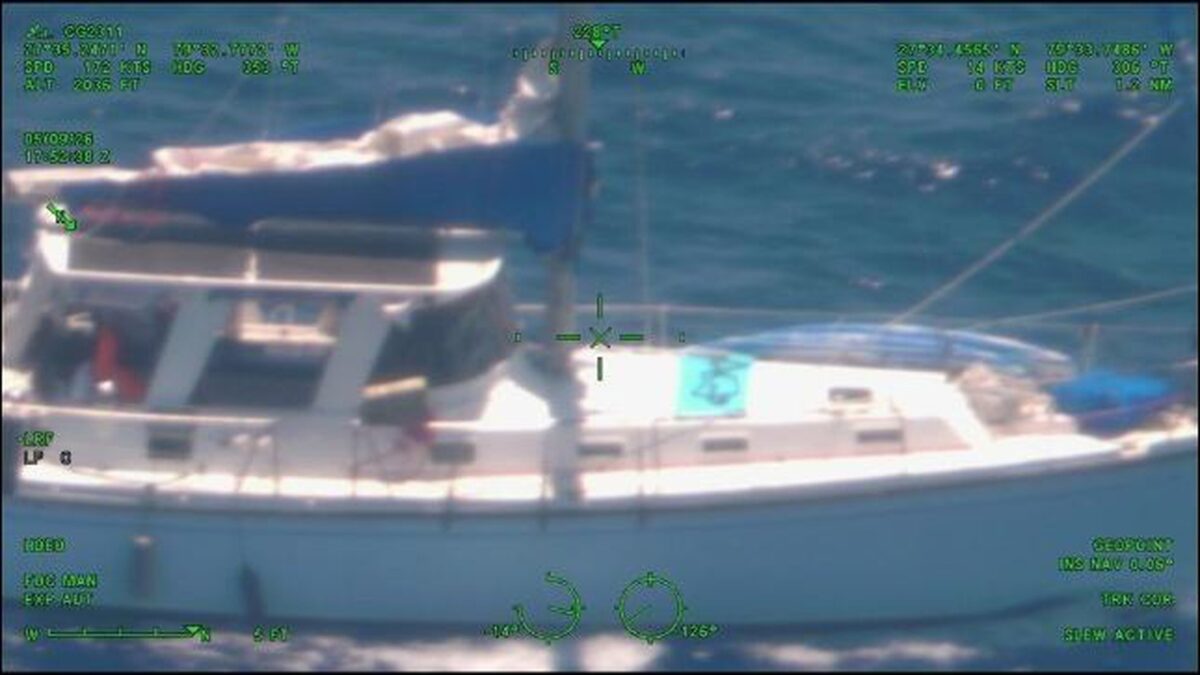
The CGIS, with full backing from the US Coast Guard, successfully intercepted the sailing vessel in international waters, approximately 40 nautical miles off the coast of Melbourne, Florida. This highlights the Coast Guard’s impressive operational capabilities beyond territorial boundaries. The USCG itself characterized the operation as a “complex surveillance and interdiction operation,” aptly conveying the intricate planning and precise execution required to approach and secure a vessel at sea, especially one linked to a high-profile missing person case with potential criminal implications.
Multiple surface and airborne assets were deployed to ensure mission safety and success, including Coast Guard cutters, patrol boats, and advanced surveillance aircraft working in tandem. They meticulously tracked the Soulmate and orchestrated its interception. This seamless coordination showcased the advanced operational readiness of the US Coast Guard in executing critical law enforcement and search and rescue missions across vast maritime domains. The objective was to secure the yacht for a forensic search, hoping to uncover crucial evidence to shed light on Lynette Hooker’s disappearance and bring clarity to this deeply unsettling maritime mystery. Precision and strategic resource deployment were paramount for a safe and effective vessel interdiction in challenging open-ocean conditions, setting the stage for the next phase of this vital investigation.
Securing the Vessel: From Open Seas to Fort Pierce Harbor
Following the successful interdiction in international waters, Coast Guard officers executed the boarding of the yacht Soulmate. This critical phase, however, presented immediate challenges. Shortly after personnel were aboard, the yacht’s engine unexpectedly lost power, rendering it immobile in the open ocean. This unforeseen mechanical issue necessitated a swift change in operational plans, highlighting the inherent unpredictability and demanding nature of maritime operations.
To ensure the safe and timely transfer, the Soulmate had to be taken under tow. The responsibility fell to a Fast Response Cutter, the USCGC Winslow Griesser, a formidable asset known for its speed, agility, and capability in coastal and offshore patrols. The Griesser expertly commenced towing the disabled sailing yacht towards U.S. shores. This meticulous towing operation culminated in the Soulmate’s arrival at the Coast Guard Station Fort Pierce, Florida, on Monday. The sight of the yacht being brought into the harbor by a military vessel immediately drew significant local media attention, quickly becoming a breaking news story and focusing public interest on the ongoing maritime incident.
The seizure was initially reported by local news outlets and subsequently confirmed by the Coast Guard Investigative Service (CGIS), validating the official nature and importance of the operation. Significantly, Brian Hooker, husband of the missing Lynette Hooker, was not aboard the Soulmate at the time of its interdiction. His attorney later clarified that Mr. Hooker had previously returned to the U.S. to attend to his mother, reportedly in ill health. This detail adds another layer to the complex narrative surrounding the missing person case and the US Coast Guard’s ongoing efforts. The secure docking of the yacht at Fort Pierce marks a pivotal moment, allowing investigators to meticulously examine the vessel for any forensic clues relating to Lynette’s unexplained disappearance from the sailing yacht.
Broader Implications: Maritime Law and Missing Persons Investigations at Sea
The Soulmate yacht missing person case brings into sharp focus the intricate challenges of maritime law and jurisdiction, especially when incidents occur in international waters. Unlike land-based investigations, disappearances at sea often involve navigating a labyrinth of national and international legal frameworks and protocols. The Coast Guard Investigative Service (CGIS) plays a crucial role in these scenarios, operating under U.S. jurisdiction to probe crimes and incidents with a U.S. nexus. Their involvement in this high-profile case underscores the agency’s unwavering commitment to addressing complex maritime mysteries that cross geographical and legal boundaries, ensuring justice on the high seas.
Investigations like the one concerning Lynette Hooker are inherently difficult and resource-intensive. The vastness of the ocean, the potential for evidence to be lost or altered by environmental factors, and the transient nature of vessels all contribute to the formidable obstacles faced by investigators. This particular operation, involving complex surveillance, interdiction, and seizure, demonstrates the lengths to which the US Coast Guard will go to pursue answers in a missing person case on the high seas. It’s a testament to their dual role as both a military service and a federal law enforcement agency, dedicated to ensuring safety and enforcing laws across America’s vast maritime interests.
Public interest in the Soulmate case reflects a deep concern for justice and clarity in such unsettling circumstances, reinforcing the need for effective maritime search and rescue protocols. This incident serves as a stark reminder of the unique vulnerabilities and complexities associated with ocean voyages and the critical importance of robust investigative capabilities. As the investigation progresses, findings from the thorough examination of the Soulmate are expected to be pivotal. The hope remains that the meticulous work of the US Coast Guard and CGIS will ultimately provide answers for Lynette Hooker’s family and illuminate the truth behind her mysterious disappearance from the sailing yacht.
Conclusion
The successful interdiction and securing of the yacht Soulmate by the US Coast Guard represent a significant milestone in the ongoing and highly publicized missing person case of Lynette Hooker. This complex operation, executed with precision and professionalism in international waters, exemplifies the Coast Guard’s unwavering dedication to maritime law enforcement and safety. As the Soulmate now sits secured in Fort Pierce, Florida, investigators from the Coast Guard Investigative Service (CGIS) will meticulously comb through the vessel for crucial forensic evidence, hoping to unlock the secrets held within its hull and bring closure to this perplexing marine mystery. The journey to answers for Lynette’s family remains challenging, but this decisive action by the Coast Guard injects renewed momentum into the search for truth and understanding. This event serves as a powerful testament to the critical role of our maritime guardians in responding to ocean mysteries and ensuring accountability on the high seas.