Vroon Sells Livestock Express Fleet to Heytesbury | Mariner News
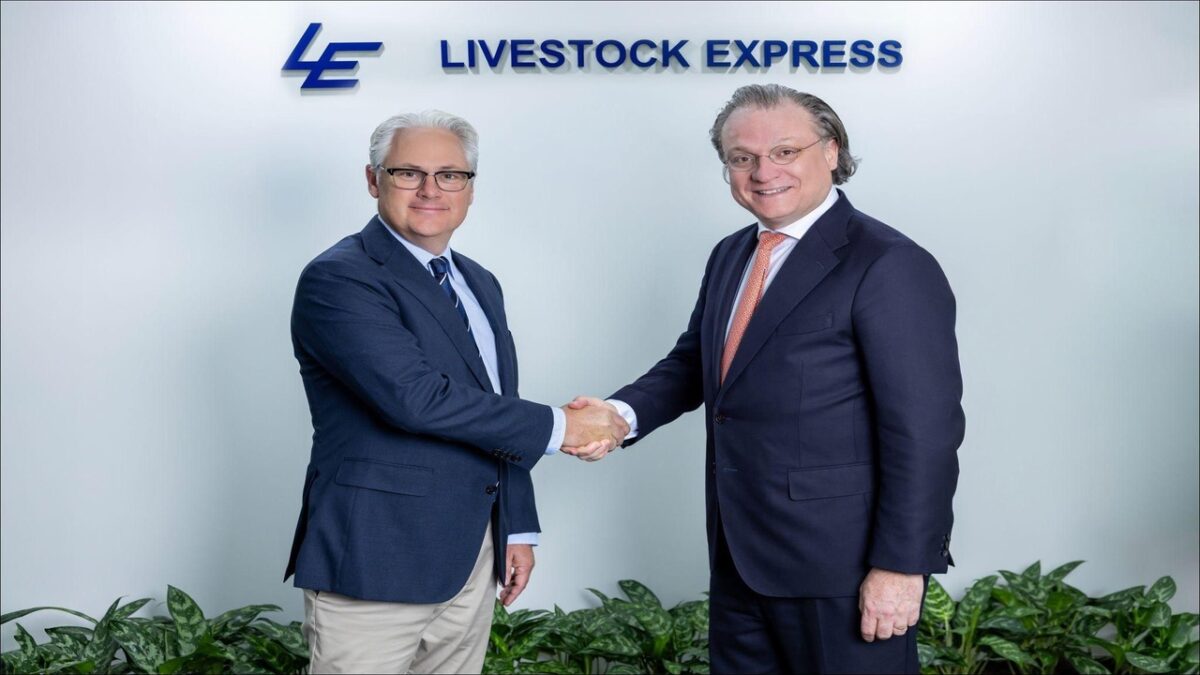
In a significant move poised to reshape the specialized maritime transport sector, the prominent Dutch shipping group Vroon has officially announced the sale of its entire Livestock Express fleet. This strategic divestment sees Vroon transfer its extensive livestock activities to Heytesbury, a well-established agribusiness and shipping conglomerate. The transaction, which includes not only the physical assets but also critical operational infrastructure, marks a pivotal moment for both companies and sends ripples across the global shipping landscape. For Vroon, this decision is a deliberate step in a broader corporate restructuring, enabling the company to sharpen its focus on key niche markets while Heytesbury expands its formidable presence in the agricultural supply chain. The deal underscores a dynamic shift in maritime business strategies, with companies increasingly optimizing their portfolios to leverage core competencies and respond to evolving market demands.
The agreement encompasses all eleven livestock vessels owned by Vroon, representing a substantial portion of the world’s purpose-built livestock carrier capacity. Beyond the impressive fleet, the sale also includes 100% of the shares in Livestock Express Pte Ltd, the operational entity responsible for managing these specialized vessels. Furthermore, Livestock Express’ Singapore office, a crucial hub for its Asian operations, and its technical management services for third-party vessels are part of the comprehensive package. This holistic acquisition by Heytesbury ensures a seamless transition of operations and expertise, allowing Livestock Express to continue its vital role in the global transport of live animals without interruption. The continuity of management and brand identity suggests Heytesbury’s intention to maintain the high standards and established reputation of the Livestock Express operations, integrating them into its existing business framework.
Vroon’s Strategic Divestment: A Bold New Direction
The decision by Vroon to sell its Livestock Express fleet is not merely a transaction but a profound strategic realignment. The company explicitly stated that this sale forms an integral part of a broader reshaping initiative aimed at optimizing its global business portfolio. This move allows Vroon to exit a sector that, while profitable and well-managed, may no longer align with its long-term strategic vision or desired risk profile. Such divestments are common in mature industries like shipping, where companies continually evaluate their asset bases and market positions to enhance efficiency and shareholder value. The sale is indicative of a trend where large shipping groups are becoming more specialized, shedding non-core assets to concentrate resources on areas with higher growth potential or where they possess a distinct competitive advantage.
This focused approach will enable Vroon to reallocate capital and management attention towards its remaining niche markets. These areas include energy, where Vroon has a strong presence in offshore support vessels; liquids, encompassing chemical and product tankers; infrastructure, likely referring to specialized construction or support vessels; and offshore wind, a rapidly expanding sector with significant investment opportunities. By streamlining its operations and concentrating on these specific segments, Vroon aims to strengthen its market leadership, innovate within these fields, and achieve more sustainable growth. The divestment of the livestock carrier business, therefore, represents a strategic pivot, allowing Vroon to double down on sectors that are poised for significant future expansion and technological advancement.
Heytesbury’s Expansion: Strengthening Agribusiness and Shipping Integration
For Heytesbury, the acquisition of Vroon’s Livestock Express fleet signifies a major expansion and a deepening of its vertical integration within the agribusiness and shipping sectors. As a diversified group with interests spanning agriculture and maritime logistics, the addition of a world-class livestock shipping operation perfectly complements its existing activities. This acquisition provides Heytesbury with direct control over a critical part of the agricultural supply chain, enhancing its capabilities to transport live animals globally efficiently and reliably. The move is expected to yield significant synergies, allowing Heytesbury to optimize logistics, reduce costs, and improve service delivery for its agribusiness clients, thereby reinforcing its position as a dominant player in the international agricultural market.
One of the key aspects of the deal is that Livestock Express will continue operating independently under its own well-recognized brand even after the transaction closes. This decision highlights Heytesbury’s recognition of the brand’s equity and the operational excellence associated with Livestock Express. Maintaining the brand identity and operational structure ensures continuity for existing clients and leverages the established expertise of the Livestock Express team. This approach often leads to smoother transitions and preserves market share, avoiding potential disruptions that could arise from immediate rebranding or full integration into a new corporate identity. Heytesbury’s strategy appears to be one of expansion through acquisition, while retaining the strengths of the acquired entity.
The Global Livestock Shipping Market: A Niche Under Scrutiny
The specialized livestock shipping market, though a niche within the broader maritime industry, plays a crucial role in global food security and trade. The demand for live animal transport is driven by various factors, including regional imbalances in livestock production and consumption, religious practices requiring specific animal sourcing, and breeding programs. The vessels involved are highly specialized, designed to ensure animal welfare during long voyages, equipped with advanced ventilation, feeding, and waste management systems. The sector, however, has also faced increasing scrutiny from animal welfare organizations and environmental groups, leading to tighter regulations and public pressure. This changing regulatory and social landscape presents both challenges and opportunities for operators.
This significant fleet transaction could lead to further consolidation within the livestock shipping industry. As larger, more integrated players like Heytesbury acquire existing fleets, it could reduce the number of independent operators, potentially leading to increased market concentration. Such consolidation can bring benefits like greater operational efficiencies, improved compliance with evolving regulations due to larger capital reserves, and standardized best practices across a larger fleet. However, it also raises questions about market competition and pricing power. The entry of a major agribusiness player like Heytesbury, with extensive capital and a long-term vision, might usher in a new era of investment in fleet modernization and technological advancements within the sector, responding to environmental and welfare demands more effectively.
Vroon’s Future: Emphasizing Energy, Liquids, and Offshore Wind
Vroon’s renewed focus on energy, liquids, infrastructure, and offshore wind positions the company to capitalize on significant growth trends in the global economy. The energy sector, particularly renewable energy like offshore wind, is experiencing unprecedented investment and expansion, driven by global decarbonization efforts. Vroon’s expertise in specialized offshore support vessels, including those for wind farm construction and maintenance, places it at the forefront of this green energy transition. By concentrating resources here, Vroon can further develop cutting-edge solutions and expand its fleet to meet the rising demand for sophisticated support services in these complex projects. This move is not just about financial optimization but also about aligning the company with future-proof industries.
Similarly, the liquids market, encompassing the transport of chemicals and refined petroleum products, remains a robust and critical component of global trade. Vroon’s continued commitment to this sector underscores its confidence in the stability and growth potential of specialized tanker operations. Furthermore, involvement in infrastructure projects, particularly those requiring complex marine support, provides another avenue for growth and diversification. The divestment of the livestock fleet allows Vroon to dedicate more capital and strategic planning to these areas, fostering innovation, enhancing operational safety, and building stronger client relationships within these specialized, high-value segments. This clear strategic direction highlights Vroon’s agility and adaptability in a constantly evolving maritime business environment, preparing it for a sustainable and prosperous future centered on specialized maritime services.
Market Dynamics and Broader Industry Implications
The sale of Vroon’s Livestock Express fleet is a microcosm of broader trends observed across the global shipping industry. Many established shipping companies are undergoing strategic reviews, divesting non-core assets, and consolidating operations to optimize their portfolios. This often involves focusing on segments where they can achieve greater economies of scale, leverage technological advancements, or meet specific environmental, social, and governance (ESG) criteria. The transaction between Vroon and Heytesbury exemplifies this strategic pursuit of specialization and efficiency, as both companies seek to enhance their competitive edge within their chosen domains.
For the maritime industry as a whole, such high-profile acquisitions demonstrate the continuous capital flow and restructuring that define a dynamic global trade environment. It signals confidence in specialized shipping niches, even as general cargo markets face volatility. Furthermore, the emphasis on maintaining Livestock Express’s brand and operations independently under new ownership reflects a sophisticated understanding of market value and brand loyalty. This approach allows Heytesbury to integrate new capabilities seamlessly while preserving the trust and relationships built by Vroon over decades. The deal ultimately contributes to the ongoing evolution of maritime transport, reinforcing the importance of strategic foresight and adaptive business models in navigating the complexities of international commerce and specialized logistics.