Spanish Police Officers Killed in Deadly Drug Boat Chase | Mariner News
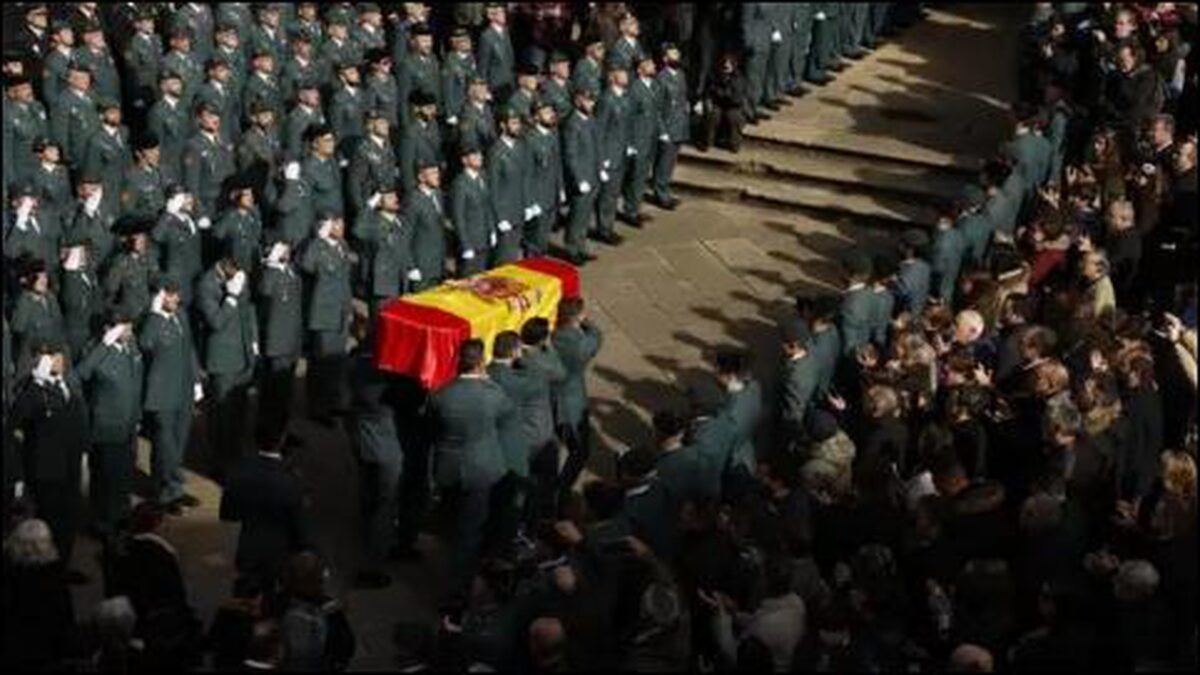
A tragic incident has cast a somber shadow over Spain’s ongoing battle against maritime drug smuggling, with two Spanish police officers losing their lives during a perilous high-speed drug boat chase. The deadly encounter, which unfolded off the coast of Andalusia, near the Atlantic side of the Strait of Gibraltar, highlights the extreme dangers faced by law enforcement agencies confronting increasingly sophisticated and ruthless drug cartels. The Guardia Civil, Spain’s gendarmerie force responsible for public security, confirmed the fatalities, sending shockwaves through the nation and sparking renewed calls for enhanced safety measures for officers on the front lines of this critical fight.
On a fateful Friday, at approximately 0800 hours, a routine patrol escalated into a deadly confrontation. A suspected smuggling vessel, attempting to evade capture, engaged in a desperate high-speed pursuit. During the intense chase, roughly 70 nautical miles off Huelva, a 60-meter high-speed interceptor vessel operated by the Guardia Civil and a Rigid Inflatable Boat (RIB) tragically collided. The impact was severe. Officer German Perez, 55, was pronounced dead at the scene, a devastating loss for his family and colleagues. A second officer, whose identity has not been released publicly at the time, succumbed to the grievous injuries sustained in the crash shortly thereafter. Two additional officers also suffered serious injuries, leaving them incapacitated and requiring urgent medical attention, underscoring the brutal and unpredictable nature of maritime interdiction operations. The incident has sent ripples of grief and concern throughout Spain’s law enforcement community.
In the aftermath of this devastating event, the officers’ union for the Guardia Civil, the AUGC, issued a scathing statement, asserting that the casualty was not an unforeseen accident but a ‘foreseeable consequence’ of policies and risks that had been discussed and reported to the administration on multiple occasions. ‘This is not an unforeseen accident. It is the direct consequence of a documented risk situation, analyzed and formally reported to the Administration, which chose not to act,’ the AUGC alleged. Their statement detailed a history of concerns regarding the resources and protocols for maritime operations targeting drug smugglers. The union highlighted specific policy failures and inadequacies, which they believe directly contributed to the tragic outcome. These allegations have ignited a national debate about government accountability and the protection of those tasked with upholding the law against dangerous criminal enterprises.
The AUGC had previously advocated for several critical enhancements to maritime security protocols. Among their key demands were a comprehensive risk assessment for all maritime interdiction missions aimed at narcotics trafficking, to identify and mitigate potential hazards proactively. They also pushed for a mandatory minimum crew size of four people for boarding missions, arguing that understaffed vessels compromise officer safety and operational effectiveness. Furthermore, the union sought to restrict the deployment of RIBs, limiting their use primarily to surveillance activities rather than direct engagement in high-speed pursuits, citing their inherent vulnerabilities. Finally, they called for a thorough review of the procedure for activating and deploying the 60-meter fast pursuit boats, emphasizing the need for robust operational guidelines to ensure officer safety during dangerous maneuvers. These unheeded warnings, according to the union, created a perilous operational environment that culminated in the loss of life, amplifying the urgency of addressing these systemic issues.
Andalusia, a region in southwestern Spain, has long been recognized as a critical hotbed for cocaine smuggling into Western Europe, making it a primary battleground in the war against drugs. Its strategic location, encompassing a long coastline and numerous estuaries, particularly around Huelva, makes it an ideal entry point for contraband. The region serves as a major receiving point for ‘final mile’ deliveries of cocaine, primarily shipped via the notorious South America-Canary Islands route. Smugglers often utilize high-speed go-fast boats and semi-submersibles to transport vast quantities of narcotics, exploiting the complex geography and vast maritime expanse to evade detection. The economic desperation in some coastal communities can also unfortunately contribute to a shadow economy that facilitates these illicit operations, making the region a persistent challenge for law enforcement agencies like the Guardia Civil.
Combating sophisticated drug cartel operations in such an environment requires immense bravery, skill, and adequate resources. The smugglers operating in the Strait of Gibraltar and off the Atlantic coast are often well-financed, highly organized, and willing to take extreme risks to protect their valuable cargo. This translates into dangerously aggressive maneuvers during pursuits, including ramming attempts, sudden changes in direction, and even the deliberate jettisoning of heavy cargo to disable pursuing vessels. The high stakes involved mean that every maritime pursuit operation carries an inherent and often fatal risk for law enforcement officers. The psychological toll on those engaged in these dangerous missions is also significant, as they constantly face life-threatening situations while protecting their nation’s borders from illegal contraband and organized crime. The recent tragedy underscores the need for continuous investment in advanced training, technology, and robust support systems for these dedicated individuals.
In response to the tragic loss, calls for enhanced maritime security measures and a reassessment of operational protocols have grown louder. Political figures, law enforcement leaders, and the public alike are demanding accountability and immediate action to prevent future tragedies. The Guardia Civil faces the dual challenge of grieving its fallen officers while simultaneously continuing its relentless campaign against narcotics trafficking. This incident serves as a stark reminder of the sacrifices made by law enforcement personnel globally in their daily fight against transnational organized crime. It compels a critical examination of how nations equip and protect their officers, particularly those operating in high-risk maritime environments where drug cartel operations are flourishing. There is an urgent need for government bodies to not only acknowledge but also proactively address the documented risks faced by officers, ensuring they have the best possible training, equipment, and policy frameworks to perform their duties safely and effectively.
Beyond immediate policy changes, this incident highlights the broader, complex nature of the global drug trade and its profound impact on societies. The battle against drug smuggling is not confined to national borders; it demands robust international cooperation, intelligence sharing, and coordinated efforts to dismantle the intricate networks of drug cartels. Investments in advanced surveillance technologies, faster and more resilient patrol vessels, and specialized training for maritime interdiction teams are crucial. The human cost of this illicit trade extends far beyond the lives lost in law enforcement; it fuels violence, corruption, and social degradation in countless communities. As investigations into the precise circumstances of the collision continue, there is a renewed determination among authorities to honor the fallen officers by redoubling efforts to combat the scourge of maritime drug smuggling and ensure that such sacrifices are not in vain. The ongoing commitment to maritime security and the protection of those who serve remains paramount.