Chinese Firm Files Arbitration Over Darwin Port Lease | Mariner News
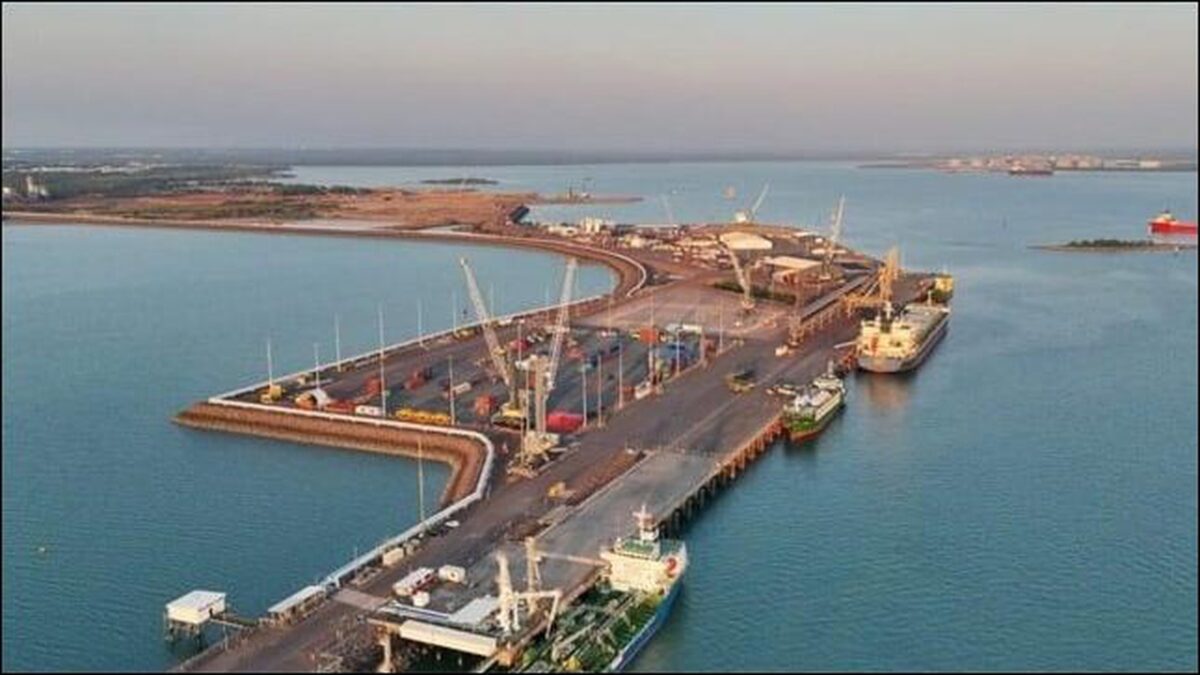
The long-standing and politically charged dispute surrounding the 99-year lease of Australia’s strategically vital Darwin Port has escalated, with Chinese firm Landbridge Group officially confirming the filing of an arbitration claim against the Australian government. This significant development marks a new turn in a decade-old controversy that has increasingly centered on national security concerns and the broader implications of foreign ownership of critical infrastructure. The move by Landbridge signals a formal legal battle over the lease agreement, a deal that has drawn international scrutiny since its inception and continues to fuel debate within Australian political circles and among its allies. The Darwin Port, a key gateway to Asia and a crucial military hub for Australia and its partners, remains at the heart of this complex maritime dispute.
The Genesis of the Darwin Port Lease Controversy
The roots of this high-stakes confrontation trace back to 2015 when Landbridge, a Chinese company owned by billionaire Ye Cheng, secured a 99-year lease for the Darwin Port. The agreement, valued at A$506 million (approximately US$375 million at the time), was presented as an opportunity for significant investment and revitalization of a then-smaller port operation. Landbridge promised to inject capital and expertise, aiming to transform the port’s capabilities and boost economic activity in Australia’s Northern Territory. While proponents highlighted the economic benefits and the transparency of the bidding process, the deal immediately ignited a fierce debate. Critics, including figures in the United States, voiced strong reservations due to Darwin’s critical strategic location, positioning it as a key military staging point and a vital asset in regional defense. Despite these early warnings, the lease proceeded, setting the stage for the current national security review and the subsequent arbitration.
National Security Concerns and Australian Government’s Stance
Over the past decade, the political landscape surrounding the Darwin Port lease has drastically shifted. What began as an economic transaction is now firmly framed by the Australian government as a national security issue. Both the current administration and the opposition have consistently demanded the port be returned to full Australian control, reflecting a bipartisan consensus on the strategic imperative. Concerns have intensified regarding the potential for foreign influence or interference given the port’s proximity to sensitive military facilities and its role in supporting allied defense operations. Reports linking Landbridge’s owner, Ye Cheng, to the Chinese Communist Party have further fueled these anxieties, amplifying calls for a re-evaluation of the lease agreement. The Australian government has initiated multiple reviews into the lease, signaling its intent to reclaim operational oversight, thereby setting the stage for Landbridge’s legal challenge and an international arbitration process that will scrutinize the very foundation of the original deal.
Landbridge’s Defense and Investment Claims
In response to mounting pressure and the Australian government’s moves towards reclaiming control, Landbridge has staunchly defended its position and the legitimacy of the port lease. The Chinese firm asserts that it acquired its interest in the port through a fair, open, and competitive process, fully complying with all applicable Australian laws and regulatory approvals at the time. Furthermore, Landbridge emphasizes its significant investments in the port’s infrastructure and operations, arguing that these contributions have led to substantial growth. In November 2025, the company reported a robust profit (EBITDA) exceeding A$42 million, representing a 25 percent increase over the previous year. Operators highlighted strong net cash flows, attributing this success to increased cruise operations and crucial support for the Barossa offshore gas project. Landbridge firmly maintains that it has delivered on its promises to revitalize the port and that there are no legitimate grounds for the Australian government to renege on the existing 99-year agreement, hence its decision to pursue arbitration to protect its investment and contractual rights.
The Arbitration Process: What to Expect
The filing of an arbitration claim by Landbridge Group against the Australian government initiates a complex legal process under international investment law. Arbitration typically involves a neutral third-party panel resolving disputes outside traditional court systems, often under established international rules such as those of the Permanent Court of Arbitration or ICSID. This process can be lengthy, costly, and legally intricate, involving extensive evidence presentation, expert testimony, and legal arguments from both sides. Landbridge will likely argue breach of contract and expropriation of investment, seeking substantial compensation if the lease is terminated. Australia, conversely, will likely present its case based on evolving national security imperatives and potentially argue that the original agreement did not adequately foresee or mitigate such risks, or that its actions are legitimate exercises of sovereign power to protect vital national interests. The outcome will depend on the interpretation of the original lease agreement, international investment treaties, and the specific legal arguments made by each party regarding their rights and obligations concerning the Darwin Port.
Geopolitical Ramifications and Regional Impact
The dispute over the Darwin Port lease extends far beyond a mere contractual disagreement; it carries significant geopolitical ramifications. The port’s strategic position in northern Australia makes it a critical asset for defense and trade, particularly in the Indo-Pacific region. Australia’s efforts to reclaim control reflect a broader trend among Western nations to scrutinize and often restrict foreign ownership of critical infrastructure, especially from countries perceived as strategic rivals. This maritime dispute will undoubtedly cast a long shadow over Australia-China relations, potentially exacerbating existing tensions in trade and diplomacy. Furthermore, the outcome will be closely watched by regional allies, including the United States, which frequently uses Darwin as a base for military exercises and deployments. The resolution of this arbitration will influence future defense cooperation, regional stability, and the delicate balance of power in a highly contested part of the world, making the Darwin Port a symbol of broader geopolitical shifts.
Economic Impact and Future of Port Operations
Beyond the legal and geopolitical dimensions, the arbitration over the Darwin Port lease carries substantial economic implications for both Landbridge and Australia. For Landbridge, the potential loss of a significant long-term investment, coupled with reputational damage, could be severe. The company’s claims of substantial profits and contributions to the local economy highlight the financial stakes involved. For Australia, reclaiming the port could entail a hefty compensation payout, the amount of which would be determined through the arbitration process, potentially impacting taxpayer funds. Furthermore, the future management and operational model of Darwin Port would need to be re-evaluated. If returned to Australian control, the government would face decisions regarding its operational strategy, potential new investments, and how to maintain the port’s economic viability while integrating national security priorities. The dispute also raises questions about the predictability of long-term foreign investments in Australia’s critical infrastructure and the need for robust frameworks that balance economic opportunity with sovereign security concerns.
Precedent and Future Foreign Investment in Australia
The Landbridge arbitration over the Darwin Port lease is set to create a significant precedent for future foreign investment in Australia, particularly in strategic sectors. The outcome will be closely scrutinized by international investors and governments alike, as it will signal how Australia balances its need for foreign capital with its evolving national security doctrine. A successful reclamation by the Australian government, even with compensation, could lead to a more cautious approach from foreign entities, particularly those from politically sensitive countries, when considering investments in Australian critical infrastructure. Conversely, a ruling in favor of Landbridge could compel Australia to reconsider its legal frameworks for reviewing and potentially unwinding such deals. This high-profile dispute underscores the growing global trend of governments re-evaluating long-term leases and sales of vital assets in light of geopolitical shifts and heightened security concerns, potentially leading to more stringent foreign investment rules and greater scrutiny of ownership structures across the globe, impacting maritime infrastructure and beyond.
This ongoing saga over the Darwin Port lease underscores the complex interplay between economic aspirations, national security imperatives, and international legal obligations. As Landbridge Group and the Australian government prepare for what promises to be a protracted arbitration battle, the world watches closely. The resolution of this significant maritime dispute will not only determine the future of a strategically important port but will also set a crucial precedent for international investment, sovereign rights, and geopolitical relations for years to come.