Hanwha Ocean, Leidos Boost U.S. Naval Shipbuilding | Mariner News
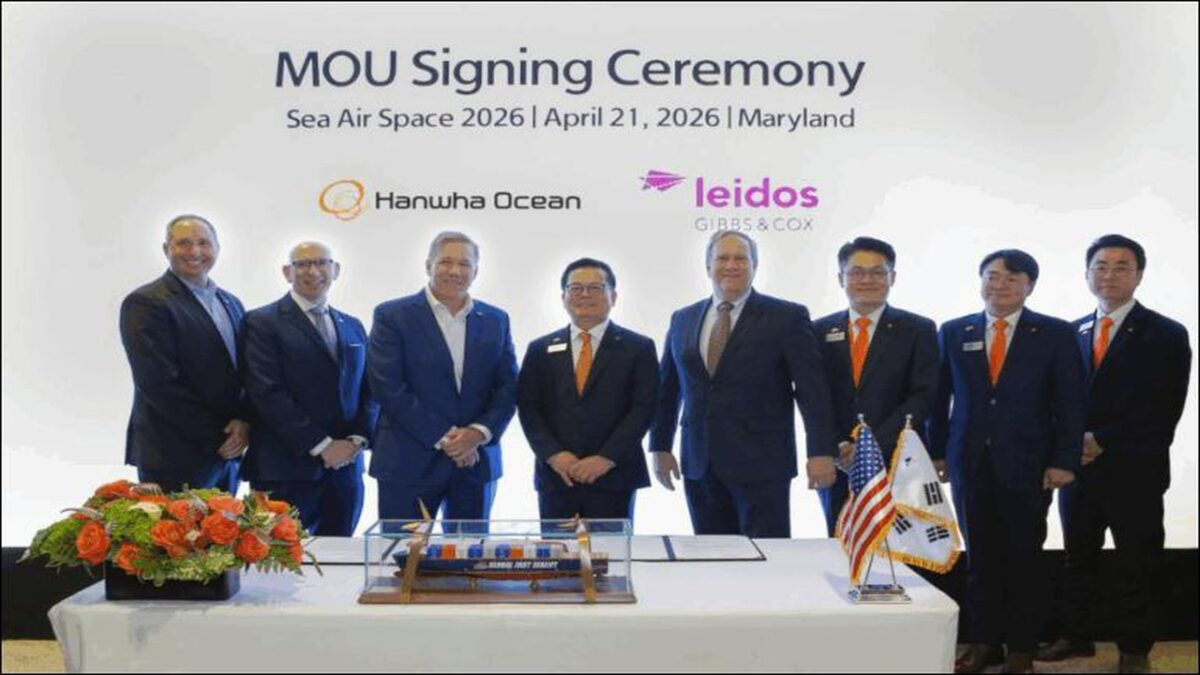
In a landmark collaboration poised to redefine global maritime defense, Hanwha Ocean and Leidos have forged a strategic partnership aimed at significantly strengthening U.S. and allied naval shipbuilding capabilities. This powerful alliance brings together Hanwha Ocean’s renowned expertise in shipbuilding and naval vessel production with Leidos’ cutting-edge naval design and engineering prowess. The combined effort is specifically designed to advance next-generation naval ship design, bolster U.S. shipbuilding capacity, and strategically pursue opportunities across global defense markets. This initiative marks a pivotal moment for marine defense, promising innovative solutions and enhanced operational readiness for navies worldwide. The core objective is to deliver scalable, production-ready solutions that are meticulously aligned with the evolving requirements of the U.S. Navy and its allied partners.
Enhancing U.S. Naval Shipbuilding Capacity Through Strategic Alliance
The collaboration between Hanwha Ocean and Leidos represents a critical step forward in fortifying the U.S. industrial base and its capacity for naval vessel construction. By leveraging Hanwha Ocean’s world-class facilities and decades of experience in designing, building, and maintaining advanced vessels, including submarines and surface combatants, the partnership is set to inject new vitality into American shipbuilding. Leidos contributes its extensive naval design and engineering expertise, ensuring that all concepts are not only innovative but also practical and aligned with strategic defense needs. This synergy is designed to create more resilient and efficient production pathways for crucial naval assets, directly supporting the U.S. Navy’s modernization efforts and its commitment to maintaining a robust and technologically superior fleet. The strategic alliance is about more than just building ships; it’s about building a stronger, more capable industrial ecosystem that can respond effectively to future challenges and global security demands. This collaborative approach focuses on developing a sustainable model for future naval construction.
One of the primary focuses of this partnership is the adaptation of existing Hanwha ship designs for full alignment with stringent U.S. Navy standards and requirements. This process involves meticulous engineering adjustments and regulatory compliance checks to ensure that Hanwha’s proven designs can seamlessly integrate into the U.S. fleet architecture. The goal is to expedite the design-to-production pipeline, reducing lead times and bringing advanced naval vessels to operation faster. By standardizing and optimizing ship designs, the collaboration aims to enhance interoperability between the U.S. Navy and its allies, fostering a more cohesive and effective global maritime presence. This commitment to standardization will also drive down lifecycle costs, offering greater value and long-term sustainment benefits for the entire fleet. The partnership is committed to creating robust, adaptable, and cost-effective solutions for naval defense.
Pioneering Next-Generation Naval Ship Design
A significant pillar of the Hanwha Ocean and Leidos partnership is the co-development of next-generation surface combatant concepts for both U.S. and global markets. This forward-thinking initiative is crucial for addressing emerging threats and capabilities in the evolving maritime landscape. The teams are exploring innovative hull forms, advanced propulsion systems, integrated combat management systems, and modular design principles that allow for future upgrades and mission flexibility. These next-generation designs will prioritize stealth, speed, endurance, and lethality, ensuring that future naval vessels are equipped to handle a wide array of missions, from anti-submarine warfare to humanitarian aid. The integration of advanced automation and data analytics will also play a key role in enhancing operational efficiency and crew effectiveness, pushing the boundaries of what is possible in modern naval ship design. This commitment to innovation underscores the partnership’s vision for future naval superiority.
The co-development efforts extend to a wide range of naval vessel types, ensuring comprehensive coverage for various operational requirements. From smaller, agile patrol vessels to larger, multi-role surface combatants, the focus remains on delivering cutting-edge technology and superior performance. The collaboration leverages Leidos’ deep understanding of naval architecture and systems integration, combined with Hanwha Ocean’s practical shipbuilding experience, to bring these advanced concepts from drawing board to reality. This holistic approach ensures that every aspect of the ship’s design, from its structural integrity to its electronic warfare capabilities, is meticulously planned and executed. The objective is to create a new generation of naval vessels that are not only technologically superior but also highly adaptable to future operational environments, providing unparalleled readiness for global defense. The partnership is actively shaping the future of maritime technology.
Strengthening Global Defense Market Presence and Strategic Impact
Beyond domestic U.S. needs, the Hanwha Ocean and Leidos collaboration is strategically positioned to strengthen its presence in global defense markets. The partnership aims to offer its cutting-edge naval solutions to allied nations seeking to modernize their fleets and enhance their maritime security. By providing scalable, production-ready designs that meet international standards, the alliance can contribute significantly to global stability and collective defense. This involves tailoring solutions to specific national requirements while maintaining the high standards of quality and performance established for the U.S. Navy. The global reach of this partnership will not only foster stronger international defense relationships but also stimulate innovation across the entire marine defense industry, encouraging a broader adoption of advanced shipbuilding practices and technologies. This expansion into global markets provides economic benefits while simultaneously strengthening alliances.
The strategic impact of this collaboration extends to the establishment of a resilient, distributed supply chain across U.S. and Korean industrial bases. This distributed model is crucial for mitigating risks, ensuring continuity of production, and fostering economic growth in both countries. By integrating suppliers and manufacturers from both regions, the partnership aims to create a more robust and adaptable supply network for naval vessels. Hanwha Ocean’s U.S. subsidiary, Philly Shipyard, is emerging as a key contributor to the 2025 U.S.–Korea shipbuilding cooperation framework, playing a vital role in localizing production and supporting the U.S. industrial base. This dual-nation supply chain will enhance efficiency, reduce costs, and ensure a steady flow of critical components and materials, ultimately supporting the long-term sustainment of future naval fleets. This innovative approach to supply chain management is a cornerstone of the partnership’s strategy for enduring success.
Optimizing Production and Sustainment for Future Fleets
Another critical objective of this partnership is to advance ship designs optimized for rapid, efficient production and long-term sustainment. This means incorporating design-for-manufacturability principles from the outset, ensuring that naval vessels can be built quickly, cost-effectively, and with minimal waste. The focus on efficiency extends beyond initial construction to the entire lifecycle of the vessel, including maintenance, upgrades, and eventual decommissioning. By designing for ease of access, modularity, and simplified repair, the partnership aims to significantly reduce the operational costs and logistical burdens associated with maintaining a modern naval fleet. This holistic approach to design and production ensures that future naval vessels are not only formidable combatants but also economically viable assets over their entire service life. The emphasis on sustainment is key to maximizing fleet readiness and minimizing downtime.
Moreover, the collaboration is dedicated to developing sustainable shipbuilding practices that align with global environmental standards. This includes exploring greener materials, energy-efficient manufacturing processes, and designs that minimize environmental impact throughout the vessel’s lifecycle. The long-term sustainment aspect also encompasses training programs for naval personnel, ensuring that crews are fully equipped to operate and maintain these advanced vessels effectively. By integrating these elements, Hanwha Ocean and Leidos are setting new benchmarks for responsible and efficient naval vessel construction, providing unparalleled value to the U.S. Navy and its allies. This commitment to optimizing production and sustainment reflects a forward-looking vision for the future of marine defense, ensuring enduring capability and strategic advantage for years to come.
In conclusion, the partnership between Hanwha Ocean and Leidos represents a monumental stride in strengthening U.S. and allied naval shipbuilding capabilities. By combining world-class expertise in next-generation naval ship design, enhancing shipbuilding capacity, and establishing a resilient supply chain, this collaboration is set to deliver cutting-edge solutions for global defense markets. The focus on rapid production, long-term sustainment, and a strong U.S.-Korea cooperation framework underscores a comprehensive strategy for maritime superiority. This alliance is not just about building ships; it’s about forging a more secure future through innovation, collaboration, and a shared commitment to excellence in marine defense and maritime technology.