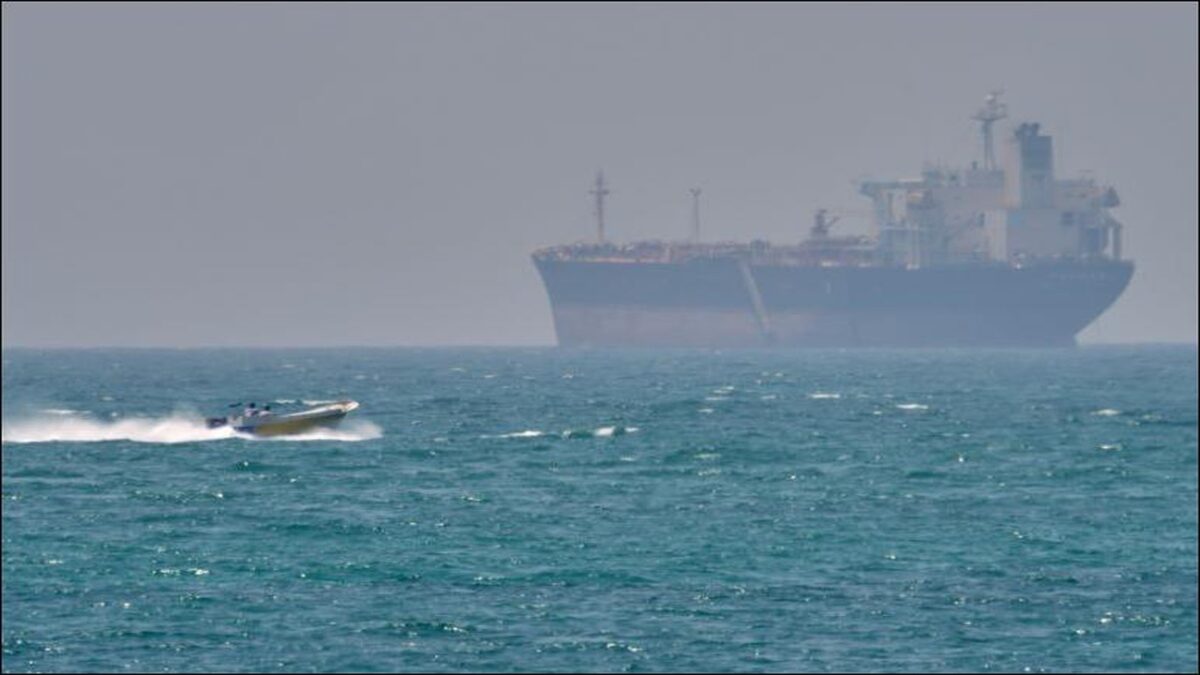
Oil Prices Soar Amid US-Iran Strait of Hormuz Clashes | Mariner News
Oil prices are significantly rising, particularly crude oil futures, following a series of renewed attacks and heightened geopolitical tensions between the United States and Iran in the strategically vital Strait of Hormuz. This critical maritime chokepoint, essential for global energy security and oil transport, has once again become a flashpoint, sending ripples of concern across international energy markets and the global supply chain. The incident, which saw fresh hostilities between the two nations, has immediately influenced crude oil benchmarks like Brent and WTI, pushing their values upwards as traders and investors brace for potential supply disruptions and increased market volatility. While the US administration reportedly denies any intent to escalate the conflict, statements from Tehran, highlighting civilian casualties, paint a starkly different picture, underscoring the severe nature of the ongoing dispute and its immediate impact on the delicate balance of oil prices. This complex geopolitical standoff continues to cast a long shadow over the future of energy supplies and maritime security in the Middle East.
Understanding the Strait of Hormuz Crisis and its Global Impact
The Strait of Hormuz is more than just a narrow waterway; it is the world’s most important oil transit chokepoint, connecting the Persian Gulf to the open ocean. Approximately one-fifth of the world’s total petroleum liquids consumption, and about one-third of all seaborne traded oil, passes through this strait daily, making it indispensable for global energy markets. Any disruption here has immediate and profound effects on international oil prices and energy security. The recent clashes between US and Iranian forces underscore the inherent fragility of this critical supply route and the potential for rapid escalation in a region already fraught with geopolitical risks. The differing narratives from Washington and Tehran further complicate the situation, making it challenging for market participants to gauge the true extent of the conflict and its future trajectory.
Historically, tensions in the Strait of Hormuz have almost always led to an increase in crude oil prices, as the threat of supply interruptions looms large. This current situation is no exception, with oil benchmarks showing a sharp upward trend. The attacks, regardless of their scale, inject a premium into oil contracts, reflecting the added risk associated with transporting petroleum through such a volatile maritime artery. For global economies heavily reliant on stable oil supplies, this translates directly into higher energy costs, impacting everything from transportation and manufacturing to consumer prices. The ongoing dispute highlights the urgent need for diplomatic solutions to de-escalate tensions and safeguard the stability of global energy flows, which are vital for sustained economic growth worldwide.
Geopolitical Tensions and Supply Chain Risks
The recent confrontation in the Strait of Hormuz serves as a stark reminder of how quickly geopolitical tensions can translate into significant supply chain risks. The strategic importance of this waterway for crude oil exports means that any perceived threat to shipping lanes immediately triggers concerns about the reliability of energy supplies. Oil tankers, which navigate these waters daily, become vulnerable assets, and the cost of insuring and operating them inevitably rises. This increase in shipping costs directly affects the final price of oil for consumers globally, exacerbating inflationary pressures and potentially slowing economic activity. The intricate web of global trade relies heavily on predictable and secure maritime routes, and disruptions in key chokepoints like the Strait of Hormuz create a cascade of logistical challenges.
Beyond the immediate impact on oil prices, the escalating US-Iran dispute also introduces broader uncertainties for international trade and maritime security. Companies involved in energy logistics and tanker shipping must constantly reassess their risk profiles and operational strategies in response to such developments. The threat of further attacks, blockades, or other forms of interference in this vital waterway necessitates enhanced security measures, which come with additional costs and complexities. This environment of heightened risk can lead to delays, diversions, and a general reluctance to operate in the region, further straining global supply chains and potentially leading to shortages in various markets. The interconnectedness of the global economy means that a localized conflict can have far-reaching economic repercussions, underscoring the need for careful diplomatic engagement and de-escalation efforts.
The Role of Tanker Shipping in a Volatile Region
For the tanker shipping industry, the Strait of Hormuz represents both a critical artery and a significant operational challenge. A substantial portion of the world’s crude oil and refined petroleum products are transported by tanker vessels through this narrow passage. When geopolitical tensions flare, the security of these vessels becomes paramount. Shipping companies like Maersk, mentioned in related articles for covering soaring oil costs, are acutely aware of the risks. While higher oil prices can sometimes benefit some segments of the shipping industry by increasing freight rates due to demand for secure transport, the overarching instability poses a substantial threat to maritime operations and crew safety. Insurers typically raise premiums for vessels operating in declared war-risk zones, adding to the operational expenses for tanker operators.
The ongoing situation necessitates robust risk management strategies for tanker companies, including enhanced communication protocols, real-time threat assessments, and potentially rerouting vessels, though options are limited for transit through the Strait. The prospect of military action or even accidental engagements creates an incredibly complex operating environment. For companies specializing in crude oil transport, such as those involved in the supply of petroleum derivatives, the ability to navigate these volatile conditions safely and efficiently is crucial. The industry must balance the commercial imperative of delivering energy supplies with the paramount concern for human life and asset protection. The continued ability of tanker shipping to function effectively through the Strait of Hormuz is a direct reflection of global efforts to maintain a degree of stability in a perennially tense region.
Economic Repercussions and Future Outlook for Energy Markets
The economic repercussions of rising oil prices due to the Strait of Hormuz tensions are multifaceted and far-reaching. Businesses worldwide, particularly those in energy-intensive sectors, face increased operating costs, which can erode profit margins and potentially lead to higher consumer prices. For national economies, a sustained surge in crude oil costs can fuel inflation, impact trade balances, and even slow down economic growth. Central banks and governments will be closely monitoring these developments, as elevated energy prices can complicate monetary policy decisions and fiscal planning. The global market’s reaction to the US-Iran clashes highlights its extreme sensitivity to supply shocks, even perceived ones, underscoring the intrinsic link between geopolitics and economic stability.
Looking ahead, the future outlook for energy markets remains highly uncertain. The trajectory of oil prices will largely depend on whether the US and Iran can de-escalate their current standoff. A prolonged period of heightened tensions or any further incidents in the Strait of Hormuz could push crude oil prices significantly higher, potentially triggering a global economic downturn. Conversely, a diplomatic resolution or a sustained period of calm could help stabilize prices. Investors and energy analysts are meticulously tracking every development, from official statements to military movements, to anticipate market shifts. The dynamic nature of this conflict means that predictions are challenging, yet the strategic importance of the Strait of Hormuz ensures that its stability will remain a critical determinant of global energy security and economic health for the foreseeable future. The international community, therefore, has a vested interest in fostering dialogue and preventing further escalation.
Navigating Uncertainty: Strategies for the Industry
In an environment characterized by such high volatility and geopolitical uncertainty, the energy and shipping industries must adopt resilient strategies to navigate potential disruptions. Diversification of energy sources and supply routes, where feasible, becomes increasingly important for nations and corporations alike. For oil companies and traders, hedging strategies against price fluctuations are crucial for mitigating financial risks. Furthermore, investing in robust intelligence gathering and risk assessment capabilities can provide vital foresight, allowing businesses to react swiftly to evolving geopolitical landscapes and market conditions. The need for agility and adaptability in operational planning cannot be overstated when dealing with critical chokepoints like the Strait of Hormuz.
For the tanker sector, specifically, collaboration with international maritime security organizations and adherence to best practices for safe passage are paramount. This includes implementing advanced tracking systems, ensuring crews are well-trained for emergency situations, and maintaining clear communication channels with relevant authorities. The current crisis also underscores the broader conversation around energy transition and reducing reliance on fossil fuels, a long-term strategy that could eventually diminish the strategic significance of such oil transit chokepoints. However, in the immediate future, maintaining stability in the Strait of Hormuz through diplomatic means and ensuring the security of maritime trade routes will remain a top priority for global energy consumers and suppliers. Continued vigilance and proactive measures are essential to safeguard the world’s energy supply and economic stability against geopolitical shocks.