Iran Detains US-Sanctioned Tanker Carrying HSFO | Mariner News
In a significant development reflecting persistent geopolitical tensions, Iran has reportedly detained the Barbados-flagged tanker Ocean Koi in the strategically vital Gulf of Oman. This incident, confirmed by state-backed news agency Tasnim, stems from allegations that the vessel was involved in activities detrimental to Iranian oil exports and national interests. The seizure of the Ocean Koi, reportedly carrying high sulfur fuel oil (HSFO), marks another critical flashpoint in the contentious relationship between Iran and Western powers, particularly the United States. The U.S. had previously sanctioned this tanker for its alleged role in transporting Iranian crude oil and condensate.
This event sends ripples through the global shipping industry, raising immediate concerns about maritime security, adherence to international sanctions, and the delicate balance of power in one of the world’s most crucial energy transit regions. The actions taken by the Islamic Revolutionary Guard Corps (IRGC) Navy against a vessel explicitly linked to the ‘Iranian shadow fleet’ underscore the escalating stakes in the clandestine battle over Iran’s oil trade, prompting close monitoring from stakeholders across the shipping, energy, and geopolitical sectors.
The Ocean Koi Incident: A Deep Dive into Maritime Tensions
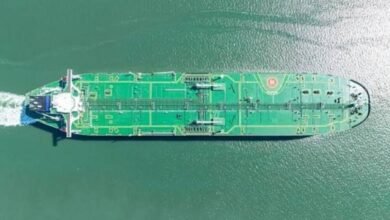
The detention of the 72,768 DWT tanker Ocean Koi by the IRGC Navy in the Gulf of Oman is a stark manifestation of deeply entrenched maritime tensions. Tasnim reports the vessel was apprehended for “trying to harm and disrupt the oil export and the interests of the Iranian nation.” This accusation immediately highlights the complex legal and political frameworks governing international shipping in contested waters. The Ocean Koi, sailing under a Barbados flag and owned by Marshall Islands-based Ocean Kudos Shipping Co Ltd, became a target months after the US Department of the Treasury sanctioned it in February. The US rationale was clear: the ship allegedly transported “millions of barrels of Iranian high sulfur fuel oil (HSFO) and condensate since May 2025,” explicitly operating as part of the ‘Iranian shadow fleet’ since at least 2020.
The “Iranian shadow fleet” is central to understanding this incident. This clandestine network of vessels, often using flags of convenience and deceptive shipping practices, is vital for Iran to maintain oil exports amid stringent international sanctions. These ships typically engage in ship-to-ship transfers, turn off AIS transponders, and falsify documentation to obscure cargo origins. The seizure of a vessel seemingly aiding Iranian oil exports by Iranian forces themselves presents a curious twist, possibly indicating internal dynamics or a strategic display of control within its maritime zones. This intricate dance of accusations and counter-accusations underscores the precarious environment for vessels traversing the Persian Gulf and its environs.
US Sanctions and Iran’s Oil Exports: A Complex Web
Iran’s persistent oil exports are intrinsically linked to the robust sanctions regime primarily imposed by the United States, designed to curtail Iran’s access to global financial systems and its critical oil revenue. High sulfur fuel oil (HSFO) plays a significant role here; despite a global shift towards lower sulfur fuels, HSFO remains a valuable commodity in specific markets. Iran, possessing substantial reserves, aims to monetize this resource by any means, leading to the expansion of the ‘shadow fleet.’ This network comprises hundreds of tankers operating clandestinely to transport Iranian crude oil, refined products, and HSFO.
The challenge for US enforcement agencies lies in monitoring and interdicting these vessels across vast international waters. Despite advanced intelligence, the sheer volume of global shipping and deceptive practices make comprehensive enforcement difficult. Each successful interdiction, like that of the Ocean Koi, serves as a deterrent but often prompts the network to adapt with new routes, flags, and methods. Iran’s economic imperative to export oil ensures this cat-and-mouse game will persist, impacting energy markets, compliance regulations, and maritime stability. The Ocean Koi incident highlights the continuous struggle between economic pressure and resilience in the face of international isolation.
Geopolitical Ramifications in the Gulf of Oman
The Gulf of Oman, gateway to the Strait of Hormuz, is a choke point of unparalleled strategic importance, through which approximately one-fifth of the world’s total oil and a quarter of its LNG pass daily. Any disruption here sends immediate shockwaves across global energy markets. The detention of the Ocean Koi is not an isolated incident but another chapter in a history of maritime confrontations. Past years have seen numerous tanker seizures, drone attacks, and alleged sabotage, elevating alert levels for international shipping.
For the international community, especially major importing nations and maritime insurance providers, these incidents cause deep concern. They raise the specter of supply chain disruptions, increased operational costs from higher insurance premiums, and potential for broader regional conflict. Iran’s actions are often seen as a direct response to US sanctions, asserting sovereign claims and projecting power. The constant presence of the US Navy and other international maritime forces highlights the high stakes, creating a delicate balance easily disrupted. Maintaining freedom of navigation and safe passage for commercial vessels remains paramount for global trade and security.
Implications for Global Shipping and Fuel Markets
The Ocean Koi detention carries tangible implications for global shipping and international fuel markets. For vessel operators navigating the Gulf of Oman, it’s a stark reminder of heightened operational risks. Shipping companies must reassess risk mitigation, potentially rerouting vessels, enhancing security, and re-evaluating insurance. War risk premiums for the region typically spike after such incidents, and this development will likely exert renewed upward pressure, increasing maritime transport costs.
Beyond security, the HSFO cargo warrants attention. While global shipping transitions to low-sulfur fuels, HSFO still serves specific markets and scrubber-equipped vessels. Disruptions to Iranian HSFO supply, particularly from a ‘shadow fleet,’ can create volatility in bunker markets. Though Iran’s overall HSFO market share is limited by sanctions, any perceived threat to supply, coupled with instability, fuels uncertainty. The incident also highlights the critical due diligence required from charterers and operators to ensure vessels avoid inadvertent involvement in sanctioned trade, a growing compliance challenge with each new seizure.
Navigating the Future: Diplomacy, Compliance, and Maritime Safety
The recurring cycle of tanker detentions underscores the urgent need for a diplomatic resolution to broader Middle East geopolitical tensions. While immediate de-escalation is vital, a long-term solution requires meaningful dialogue between Iran and Western powers on nuclear programs, regional security, and economic engagement. For the shipping sector, stringent compliance measures are no longer optional but essential. Shipowners, operators, charterers, and insurers must enhance vigilance, employing advanced tracking, comprehensive due diligence, and robust contractual clauses to mitigate risks of participating in sanctioned trade or becoming entangled in disputes.
The international maritime community, through bodies like the IMO and shipping associations, must continue advocating for safety and freedom of navigation. This includes clearer guidelines for operating in high-risk areas and mechanisms for swift de-escalation. The Ocean Koi detention serves as a potent reminder that the intricate global supply chain is vulnerable to political machinations and regional conflicts. As the maritime industry navigates these turbulent waters, a concerted effort toward transparency, compliance, and peaceful resolution will be critical to safeguarding global trade and seafarers’ lives.