Ukraine Strikes Novorossiysk Tankers & Primorsk Vessels | Mariner News
In a significant escalation of its maritime strategy, Ukraine has launched a series of sophisticated strikes targeting key Russian port infrastructure. Recent reports confirm that Ukrainian security forces successfully hit two ‘shadow fleet’ tankers at Russia’s vital Black Sea port of Novorossiysk and, in a coordinated operation, three additional vessels at the Baltic Sea port of Primorsk. These calculated Ukraine strikes against critical Russian oil fleet assets underscore a growing capability to project power across vast distances and exploit vulnerabilities in Russian defenses, particularly in areas previously considered secure. The dual attacks send a clear message regarding Ukraine’s intent to disrupt Russia’s war economy by targeting its lucrative energy exports.
The strategic importance of both Novorossiysk and Primorsk cannot be overstated. Novorossiysk, situated on the Black Sea coast, is one of Russia’s largest commercial ports and a primary conduit for its crude oil and petroleum product exports. It serves as the terminus for the Caspian Pipeline Consortium (CPC) pipeline, which transports oil from Kazakhstan and Russian fields. Similarly, Primorsk, located on the Gulf of Finland, is Russia’s largest oil export port in the Baltic Sea, handling immense volumes of crude oil. The ability of Ukrainian forces to reach and inflict damage on vessels at both these geographically distant and heavily defended locations highlights a concerning lapse in Russia’s maritime security posture and marks a new phase in the ongoing conflict.
Strategic Strikes on Russian Maritime Infrastructure
The simultaneous nature of these Ukraine strikes at such critical Russian logistical hubs indicates a meticulously planned and executed operation. The targeting of Russian oil fleet assets at both Novorossiysk and Primorsk demonstrates a sophisticated understanding of Russia’s energy export network and a strategic intent to create widespread disruption. By striking in two distinct maritime theaters – the Black Sea and the Baltic Sea – Ukraine showcased its capacity to mount complex, long-distance operations, challenging the perception of Russian control over its territorial waters and ports.
These operations are not merely symbolic; they carry tangible economic and operational consequences for Russia. Disrupting the flow of oil from these major terminals can impact Russia’s revenue streams, which are crucial for funding its military efforts. Furthermore, the psychological impact of such widespread attacks on maritime shipping in traditionally safe zones could lead to increased insurance premiums, logistical bottlenecks, and a general reluctance from international shippers to operate in these areas, further isolating Russia economically.
Unpacking the Novorossiysk Tanker Operations
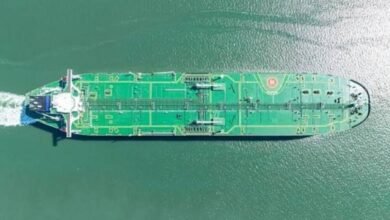
At Novorossiysk, the focus of the Ukrainian operation was on two ‘shadow fleet’ tankers. The term ‘shadow fleet’ refers to a clandestine network of aging vessels often operating without standard insurance or registration, used by countries like Russia and Iran to circumvent international sanctions. These vessels are vital for Russia to continue exporting oil, providing a lifeline for its economy amidst Western restrictions. The successful targeting of these specific tankers is a direct hit on Russia’s ability to maintain its illicit oil trade, applying economic pressure directly related to its war funding.
Ukrainian President Volodymyr Zelensky himself confirmed the operation, stating, “Our soldiers continue to apply sanctions against the Russian shadow oil fleet – they hit two such vessels in the waters of the entrance to the port of Novorossiysk. These tankers were actively used to transport oil. Now they will not be.” This statement underscores the strategic intent behind the Black Sea attacks, emphasizing the disruption of Russia’s oil transport capabilities. Video footage of the strike revealed the precise method employed by Ukrainian drones: targeting a tanker in ballast, specifically aiming for the rudder and lower engine room. This tactic is highly effective as it disables the vessel’s propulsion and steerage without causing a major oil spill, thus minimizing environmental damage while maximizing operational impact.
Primorsk Vessel Attacks and Broader Implications
While details on the specific nature of the three vessels hit at Primorsk are less extensively reported, their targeting in the Baltic Sea carries equally profound implications. Primorsk handles a significant portion of Russia’s oil exports to Europe and other global markets via the Baltic Sea. The Primorsk vessels strikes demonstrate that Ukraine’s reach extends far beyond its immediate geographical vicinity, challenging the notion of any Russian port being completely immune to attack.
These synchronized Baltic Sea operations indicate a well-coordinated military strategy designed to stretch Russian defensive capabilities thin. Russia must now contend with threats across multiple maritime fronts, diverting resources and attention from other areas of the conflict. The attacks could also influence global perceptions of shipping security in the Baltic Sea, potentially affecting trade routes and insurance costs for all vessels operating in the region, adding another layer of economic pressure on Moscow.
Ukraine’s Evolving Naval Drone Capabilities and Russian Vulnerabilities
The success of these Ukraine strikes underscores the growing sophistication and effectiveness of Ukraine’s naval drone capabilities. These unmanned surface vessels (USVs) have proven to be a cost-effective and asymmetric means of challenging Russia’s superior naval power. By employing innovative tactics like targeting vulnerable sections of tankers and vessels to disable them rather than sink them, Ukraine has found a way to inflict significant damage without escalating environmental risks, which could otherwise draw international condemnation.
These repeated drone attacks expose critical vulnerabilities in Russian defenses. Despite significant investments in coastal protection and naval assets, Russia has struggled to effectively counter Ukraine’s drone swarms. The fact that targets in previously secure areas like Novorossiysk and Primorsk can be reached and hit with precision suggests a failure in intelligence gathering, surveillance, and interdiction systems. This continuous attrition of Russian naval and commercial assets, including the Russian oil fleet, will inevitably impact its ability to sustain its operations and project power in the Black Sea and beyond. The shift in maritime security dynamics is palpable, moving from a period where Russia largely dictated terms in the Black Sea to one where Ukrainian innovation poses a persistent threat.
Global Repercussions and Future Outlook for Shipping
The ramifications of these Ukraine strikes extend beyond the immediate operational impact. For the global energy markets, such disruptions to major oil export terminals could lead to increased volatility in crude prices and higher shipping costs as insurance premiums rise due to heightened perceived risks. The attacks serve as a stark reminder of the geopolitical instability affecting crucial energy transport routes and the delicate balance of global supply chains.
Looking ahead, these maritime security developments suggest a continued escalation in the naval dimension of the conflict. Ukraine is likely to continue innovating and expanding its drone capabilities, seeking to further cripple Russia’s ability to generate revenue from its oil and gas exports. Russia, in turn, will be forced to allocate more resources to defend its extensive coastline and commercial ports, potentially diverting assets from the front lines. The global shipping industry, particularly those involved in tankers and vessels operating in the Black and Baltic Seas, will need to remain highly vigilant, adapting to an increasingly complex and hazardous operational environment. The strategic strikes on Novorossiysk tankers and Primorsk vessels signify a crucial turning point, underscoring Ukraine’s relentless pursuit of strategic advantage and the profound challenges facing Russia’s economic lifeline.