Horn of Africa Political Shifts Impact Global Shipping | Mariner News
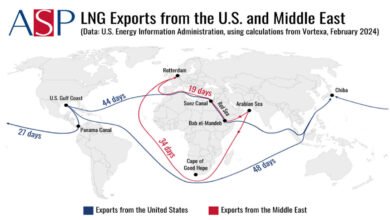
The Horn of Africa, a strategically vital region, is currently experiencing significant churn in its political alliances, creating ripples that extend far beyond its immediate borders. This dynamic environment, characterized by shifting geopolitical landscapes and evolving national interests, profoundly impacts global maritime security and international trade routes. The Red Sea coastline, encompassing Eritrea, Djibouti, and the complex entities within what was once Somalia, finds itself buffeted by these regional transformations. How these matters ultimately settle will have direct and substantial consequences for the safety and unimpeded flow of merchant traffic through two of the world’s most critical maritime chokepoints: the Suez Canal and the Bab el Mandeb Strait. These waterways form a crucial segment of the Maritime Security Transit Corridor (MSTC), which historically handled a substantial portion of global trade, and now, with heightened regional tensions, its significance is amplified.
The Bab el Mandeb’s Elevated Strategic Importance
The strategic importance of the Bab el Mandeb Strait has become even more pronounced due to several converging dynamics. Foremost among these is the enduring impact of the ‘Hormuz War,’ which has effectively disrupted sea traffic through the Strait of Hormuz. This ongoing situation has compelled major oil producers, particularly Saudi Arabia and the United Arab Emirates, to re-evaluate and reroute their energy exports. Consequently, the Bab el Mandeb has transformed into an indispensable alternative. Previously, approximately 20% of Saudi oil was exported southwards from the East-West pipeline terminal at Yanbu through this strait; this figure has now surged to over 50%. Similarly, the United Arab Emirates is increasingly reliant on exporting crude through the ADCOP pipeline to Fujairah on the Gulf of Oman, with onward transit often relying on routes that bypass Hormuz, further stressing the importance of the southern route.
This rerouting of crude oil, primarily transported by tankers, places immense pressure on the Bab el Mandeb, making any potential interruption a far more serious global concern. The implications for international energy security and the stability of oil markets are immense. A disruption here would not only impact oil prices but also global supply chains reliant on these crucial energy flows. The increased volume of tanker traffic through a region prone to political instability necessitates enhanced maritime security measures and a deeper understanding of the evolving regional power plays.
Yemen’s Shifting Sands and Regional Power Dynamics
A second significant development influencing the Horn of Africa’s maritime landscape is the resurgence of the Internationally Recognized Government (IRG) in Yemen, largely at the expense of the separatist Southern Transition Council (STC). Following its failed attempt to advance its secessionist agenda in December, the STC’s primary backer, the United Arab Emirates, has significantly altered its strategic posture. This shift has profound implications for control and influence over the waters surrounding the Bab el Mandeb, a key gateway to the Red Sea. The stability of Yemen, or lack thereof, directly correlates with the security of this vital strait.
Regional actors, including Ethiopia, Egypt, and various Gulf states, closely monitor these developments, each with vested interests in the stability of maritime trade and access to the Red Sea. The changing allegiances and power structures within Yemen create a complex web of influence, affecting everything from anti-piracy operations to potential future naval deployments. This intricate interplay of forces underscores the delicate balance required to maintain open and secure shipping lanes, especially for global commercial shipping. The political health of Yemen remains a critical barometer for the security of the broader Horn of Africa region and its critical maritime corridors.
Broader Impact on Commercial Shipping and Supply Chains
While oil exports form a significant part of the traffic through the Bab el Mandeb, the impact of the Horn of Africa’s political volatility extends to general cargo and container traffic as well. These segments of international trade, while generally more flexible in rerouting, are not immune to the increased risks and complexities. Shipping lines and logistics companies are constantly assessing geopolitical threats, adjusting routes, and implementing contingency plans to mitigate potential disruptions. The upsurge in shipments to Gulf States, often completing their journey with a final land leg from ports like Salalah, Duqm, Sohar, Fujairah, and Khor Fakkan, demonstrates the adaptability of global supply chains.
However, this flexibility often comes at a cost, involving longer transit times, increased fuel consumption, higher insurance premiums, and potential delays. Such disruptions can ripple through global supply chains, affecting manufacturers, retailers, and ultimately consumers worldwide. The ongoing geopolitical churn in the Horn of Africa, therefore, presents a significant challenge for the entire maritime industry, demanding continuous vigilance and proactive risk management strategies to safeguard global commerce. Ensuring smooth operations through critical trade routes like the MSTC remains paramount for the health of the global economy.
Navigating the Future: Stability and Continued Vigilance
The future trajectory of political alliances and regional stability in the Horn of Africa will undoubtedly continue to shape global maritime trade and energy security. The complex interplay of internal political transitions, external influences, and the ongoing demand for secure trade routes necessitates a nuanced approach from the international community. Continued diplomatic engagement, support for regional stability initiatives, and robust maritime security cooperation are essential to mitigate risks and ensure the unimpeded flow of goods and energy through the Bab el Mandeb and the Suez Canal.
As the region adapts to new power configurations and geopolitical realities, stakeholders in the shipping industry must remain agile and informed. The Horn of Africa’s strategic importance as a crossroads for global commerce means that its political health will always be a bellwether for the security of vital international trade arteries. Navigating this complex environment successfully requires not only an understanding of the immediate challenges but also a long-term vision for fostering a stable and prosperous region, ensuring the continued safety and efficiency of the world’s most critical maritime pathways for all commercial shipping.