Singapore: Chemical Tanker Arrested, Maritime Claims | Mariner News
In a significant development echoing through global shipping circles, a chemical tanker arrest in Singapore has drawn considerable attention, underscoring the complexities and inherent risks within international maritime trade. The vessel, identified as the Ddelphinus 12, a 46,000 DWT supersegregator tanker, was detained in Singaporean waters on April 18. While the specific reasons for the arrest remain undisclosed by authorities, such actions are typically initiated due to unresolved maritime claims, ranging from unpaid bunkering services and port fees to more intricate contractual disputes. This incident serves as a potent reminder of Singapore’s critical role as a major maritime hub and the rigorous legal framework governing vessel operations in one of the world’s busiest ports. The detention sends ripples through the shipping industry, prompting stakeholders to consider the broader implications for vessel owners, charterers, and the crucial flow of chemical commodities globally.
Unpacking the Vessel Detention in Singapore Waters
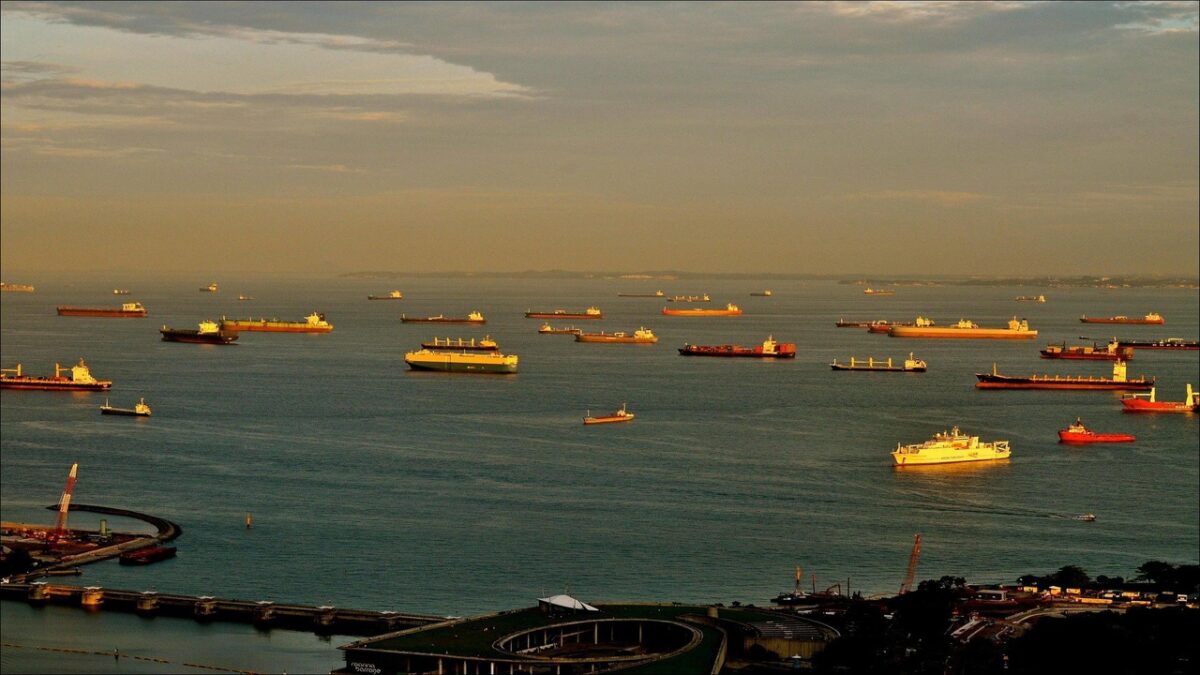
The details surrounding the vessel detention in Singapore provide a clearer picture of the incident. The Ddelphinus 12, a supersegregator tanker designed to carry multiple types of chemicals simultaneously, was formally arrested at 11:42 PM local time on April 18, according to official records from Singapore’s judiciary. This targeted legal action was facilitated on behalf of the law firm Ming Law Asia LLC, indicating a formal legal proceeding to secure the vessel as leverage for a claim. The tanker is currently held at the Eastern Special Purpose Anchorage A, a designated area within Singapore’s extensive port facilities used for vessels awaiting orders or involved in specific legal situations.
Shipping intelligence services, such as VesselsValue, list Delta Delphinus JSC in Vietnam as the commercial controller of the Ddelphinus 12. This information highlights the international nature of such disputes, often involving entities from various jurisdictions. Prior to its detention, the tanker had reportedly arrived in Singapore from Kolkata earlier in the month, suggesting its regular operational route involved key ports in the Asia/Pacific region. The swift execution of the arrest underscores the efficiency of Singapore’s maritime legal system in processing and enforcing claims, reinforcing the port’s reputation as a well-regulated and legally robust maritime jurisdiction. While the immediate impact is felt by the vessel’s operators and crew, the long-term ramifications can extend to cargo owners and supply chain logistics, causing significant disruptions.
Understanding Maritime Claims and Legal Implications
Maritime claims form the bedrock of most vessel arrests. These claims are diverse and can stem from a wide array of operational and contractual disagreements. Common reasons for detaining a ship include disputes over unpaid bunker fuel, outstanding port dues, unresolved salvage claims, unpaid crew wages, collision damage, or breaches of charter party agreements. When such claims remain unresolved through negotiation, the aggrieved party can seek a court order to arrest the vessel, using the ship itself as security for the debt or damages claimed. This legal maneuver prevents the vessel from leaving port until the dispute is either settled, a security deposit (often in the form of a bank guarantee or P&I club letter of undertaking) is provided, or a court judgment is rendered.
The legal process for a shipping dispute and subsequent arrest can be complex and time-consuming. It typically involves filing an admiralty writ, obtaining an arrest warrant from the High Court, and then having the warrant executed by the Sheriff of Singapore. Once arrested, the vessel effectively becomes a ward of the court, meaning its movements and operations are severely restricted. This can lead to substantial financial burdens for the vessel owner, including ongoing port charges, crew repatriation costs, and potential demurrage claims from cargo interests due to delays. Moreover, the reputation of the vessel owner and operator can suffer, potentially affecting future charters and insurance premiums. Therefore, prompt legal counsel and strategic action are crucial to navigate the intricate landscape of maritime law and mitigate the impact of such detentions.
The Broader Context of Shipping Incidents in Asia/Pacific
Singapore’s strategic location at the confluence of major shipping lanes makes it an indispensable nexus for global maritime trade. Annually, thousands of vessels transit its waters, making it a frequent site for maritime legal actions. The chemical tanker arrest is not an isolated incident but rather a recurring feature of a dynamic and sometimes contentious industry. The Asia/Pacific region, with its booming economies and extensive trade networks, witnesses a substantial number of such incidents. These detentions highlight the constant need for vigilance and adherence to international maritime regulations and contractual obligations.
Beyond immediate financial losses, such vessel detentions can have broader economic ripple effects. They can disrupt supply chains for critical chemical commodities, impacting downstream industries that rely on timely deliveries. For example, if the Ddelphinus 12 was carrying essential raw materials, its prolonged detention could lead to production delays for manufacturers in the region. Furthermore, these incidents underscore the importance of robust risk management strategies for all participants in the maritime sector, including vessel owners, charterers, insurers, and P&I clubs. Effective due diligence and transparent communication are vital to minimize the likelihood and severity of future maritime claims and associated arrests in this bustling region.
Navigating the Aftermath: Resolution and Future Implications
The path to resolving a vessel arrest can vary significantly depending on the nature and complexity of the underlying maritime claim. Often, parties attempt to negotiate an out-of-court settlement, which can lead to the release of the vessel once mutually agreeable terms are met and security is provided. If a settlement proves elusive, the case may proceed through the courts, potentially leading to a judgment against the vessel owner. In extreme circumstances, if claims remain unpaid, the arrested vessel may be sold by judicial order to satisfy the outstanding debts. This last resort can be particularly devastating for vessel owners, as the sale often occurs at a discounted price, resulting in significant financial loss.
For the Ddelphinus 12, its commercial controller, Delta Delphinus JSC, will likely engage swiftly with legal experts to understand the claims and strategize a resolution. This could involve providing a security deposit, contesting the claims in court, or negotiating a settlement. Such events serve as a stark reminder for all maritime stakeholders to meticulously manage their financial obligations and contractual agreements to prevent similar predicaments. The shipping industry operates on a foundation of trust and contractual integrity, and incidents like this chemical tanker arrest in Singapore underscore the continuous need for diligence, transparency, and a thorough understanding of international maritime law to ensure smooth and uninterrupted global trade flows. Ultimately, effective risk management and prompt legal action are paramount for navigating these complex waters and protecting maritime assets.