DHT Supertankers CEO Seeks Red Sea Shipping Opportunities | Mariner News
In an increasingly complex global maritime landscape, the words from DHT Supertankers’ CEO resonate with a clear message of proactive engagement: “We’re not hanging around and waiting.” This assertive stance underscores DHT’s commitment to navigating the volatile Red Sea region, not merely enduring its challenges, but actively seeking and capitalizing on emerging shipping opportunities. For a major player in the very large crude carrier (VLCC) sector, known colloquially as supertankers, such a strategic approach is crucial for sustained success and market leadership amidst unprecedented geopolitical pressures affecting global oil trade routes.
Navigating Geopolitical Headwinds in the Red Sea
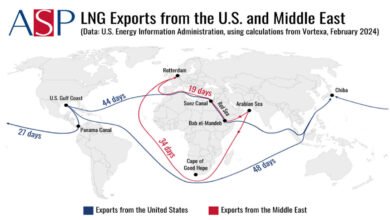
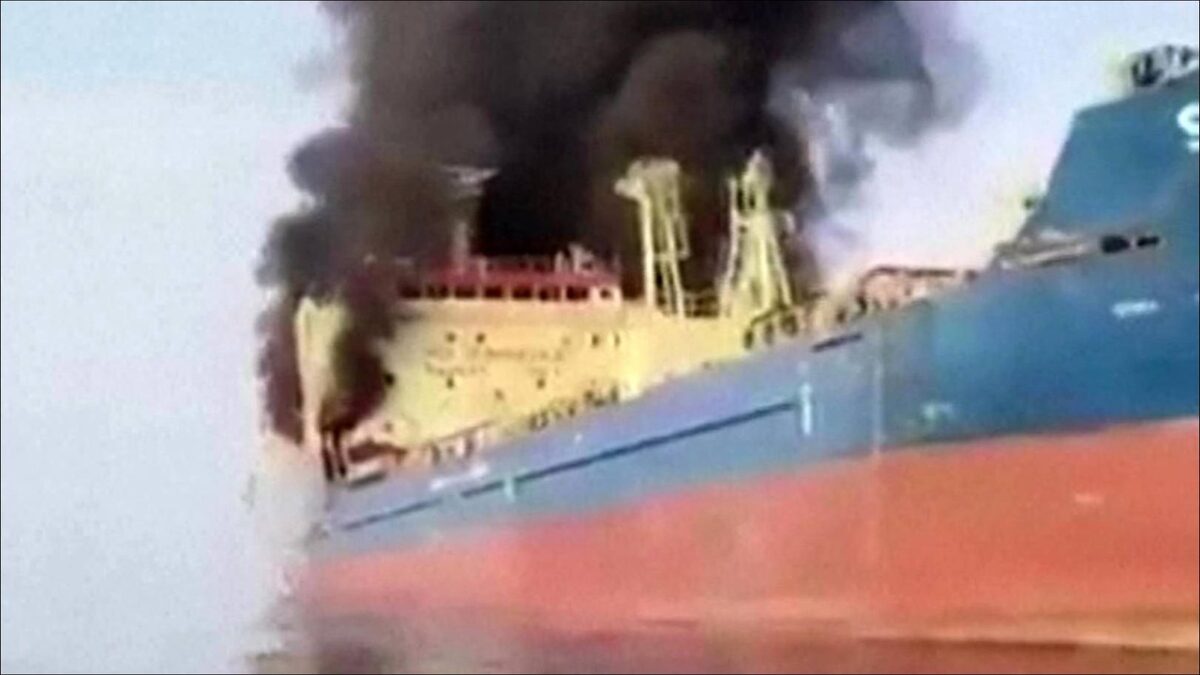
The Red Sea, a vital artery for global commerce and energy shipping, has become a focal point of geopolitical instability. Recent aggressions, particularly from Houthi rebels targeting commercial vessels, have forced a significant rerouting of maritime traffic away from the Suez Canal and through the Cape of Good Hope. This dramatic shift has profound implications for the global tanker market, altering transit times, increasing fuel consumption, and elevating operational costs and insurance premiums. The traditional efficiency of the Suez Canal as a shortcut between East and West has been severely compromised, compelling shipping companies to re-evaluate their logistical paradigms.
This altered operational environment creates both immense challenges and distinct opportunities. While the immediate concern for many shipping lines is the heightened risk and increased expense, visionary leaders like DHT Supertankers are discerning potential advantages. The extended voyages around Africa inherently tie up vessel capacity for longer periods, effectively reducing the available fleet on a global scale. This reduction in effective supply, when coupled with consistent demand for crude oil transportation, can lead to upward pressure on VLCC freight rates, benefiting companies with agile deployment strategies and robust risk management frameworks. Understanding these nuanced market dynamics is key to thriving in a disrupted market.
DHT’s Strategic Agility and Market Positioning
DHT Supertankers has long been recognized for its formidable fleet of crude oil tankers, specializing in the efficient and reliable transport of large volumes of oil across the globe. The CEO’s declaration reflects a corporate culture of strategic agility, where market intelligence and proactive decision-making are paramount. Rather than adopting a wait-and-see approach, DHT is actively analyzing trade flows, assessing risk, and identifying specific routes or chartering arrangements that can leverage the current disruptions to their advantage. This involves a meticulous evaluation of client needs, balancing risk exposure, and optimizing vessel deployment to maximize profitability.
Their proactive stance means closely monitoring global oil demand, refinery operations, and inventory levels, all of which influence the demand for crude oil tankers. By anticipating shifts in these factors, DHT can position its VLCC fleet strategically, ensuring their vessels are in the right place at the right time to capitalize on premium rates or secure long-term contracts that reflect the increased operational complexities. This approach minimizes idle time and optimizes earnings, setting them apart from competitors who might be slower to adapt to rapid market changes. It’s a testament to their deep understanding of the energy shipping sector and their commitment to robust asset management.
Impact on VLCC Freight Rates and Profitability
One of the most immediate and tangible effects of the Red Sea crisis on the tanker market is its influence on VLCC freight rates. As vessels are forced to undertake longer voyages, the time a supertanker spends at sea increases significantly, translating to fewer available vessels for new charters within a given period. This reduction in effective shipping capacity, combined with steady global demand for crude oil, naturally drives up the cost of transporting oil. For a company like DHT Supertankers, with a modern and efficient fleet, this scenario can translate directly into enhanced profitability per voyage.
Furthermore, the heightened risk associated with transit through or near conflict zones also results in higher war risk insurance premiums. While this adds to the operational cost, the increased freight rates often more than compensate, leading to a net positive impact on the bottom line for well-managed tanker operators. DHT’s ability to navigate these increased costs while securing competitive rates is a hallmark of their operational excellence. They focus on maintaining strong relationships with charterers and ensuring the safety and security of their crews and cargo, thereby cementing their reputation as a reliable partner in the volatile energy shipping landscape.
Seizing Emerging Opportunities in a Volatile Market
Seizing opportunities in a volatile market requires more than just reacting to events; it demands foresight and strategic positioning. DHT Supertankers’ proactive approach involves identifying new trade patterns that emerge from the rerouting of ships. For instance, longer hauls from the Middle East to Europe or the Americas around the Cape of Good Hope mean greater tonne-mile demand, a key metric for tanker earnings. This increased demand for vessel utilization is a direct outcome of the Red Sea situation and presents a significant commercial advantage for large-scale crude oil carriers like VLCCs.
Moreover, the instability might prompt some charterers to seek more secure, albeit longer, routes or to enter into period charters to guarantee tonnage, providing DHT with opportunities to secure stable, long-term contracts at favorable rates. Their flexibility in fleet deployment, coupled with their strong financial position, allows them to make swift decisions that capitalize on these evolving market dynamics. By staying ahead of market trends and leveraging their operational expertise, DHT reinforces its position as a leader in the global crude oil shipping sector, demonstrating a keen eye for maximizing returns even during periods of significant maritime disruption.
The Broader Outlook for Tanker Shipping
The Red Sea crisis, while significant, is part of a broader set of challenges and opportunities facing the tanker industry. The long-term outlook for energy shipping is influenced by factors such as global oil demand, the pace of the energy transition, and ongoing geopolitical shifts. While the world is moving towards cleaner energy, crude oil remains a fundamental commodity, and its efficient transportation is indispensable for the global economy. Companies like DHT Supertankers are continually adapting their strategies to account for these larger trends, including exploring environmentally friendly technologies and sustainable shipping practices.
Looking ahead, the ability to integrate advanced analytics, embrace digitalization, and enhance operational efficiency will be crucial for sustained success. The insights gained from navigating current challenges in regions like the Red Sea will undoubtedly shape future strategies, enabling tanker operators to build more resilient and adaptable business models. The commitment to innovation, coupled with a deep understanding of market fundamentals and geopolitical realities, will ensure that major players in the tanker market, including DHT, remain at the forefront of the global energy supply chain. This forward-looking perspective positions them not just to survive, but to thrive in the evolving maritime environment.
In conclusion, DHT Supertankers’ proactive philosophy – “We’re not hanging around and waiting” – is a powerful testament to their leadership and strategic foresight in a challenging maritime environment. By actively seeking and capitalizing on shipping opportunities arising from the Red Sea disruptions, DHT is not only safeguarding its interests but also setting a precedent for adaptability and resilience within the global supertanker market. Their commitment to navigating complex geopolitical waters with strategic agility ensures that they remain a key player in the vital crude oil transportation sector, poised for continued success even amidst profound global shifts.