Port of Antwerp-Bruges CEO Steps Down for New Strategic Phase | Mariner News
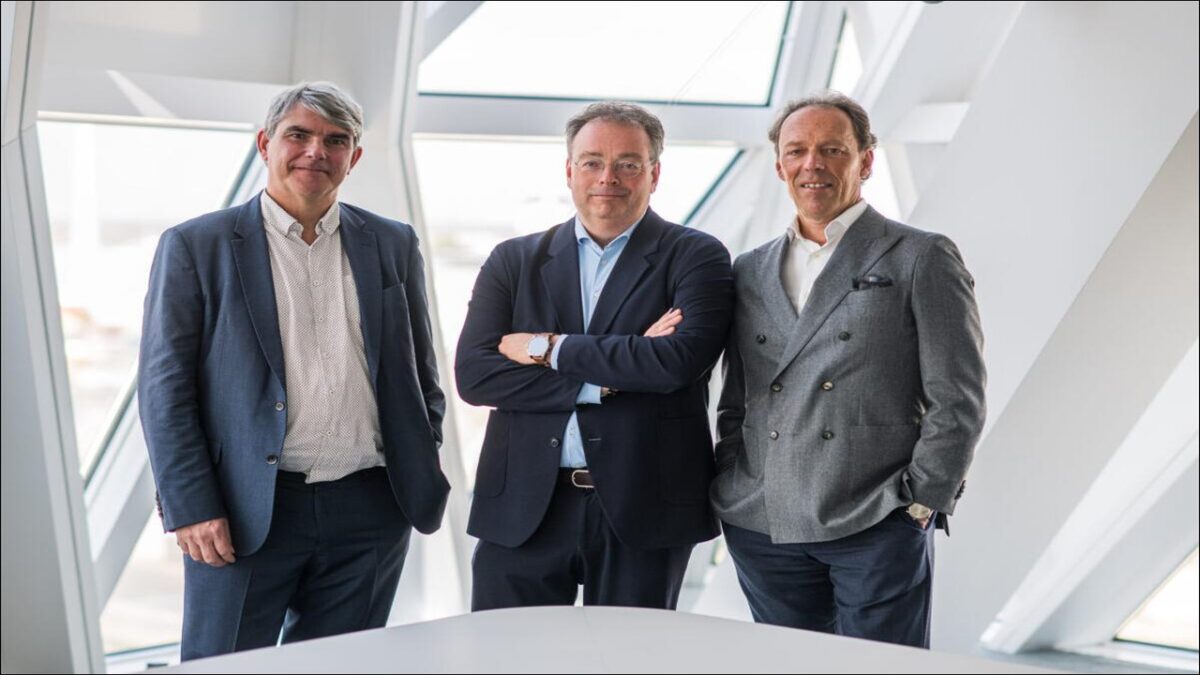
The Port of Antwerp-Bruges, a vital artery in the global supply chain, is bracing for a significant shift in its leadership as chief executive Jacques Vandermeiren prepares to step down. This departure heralds a “new strategic phase” for the port, a testament to the dynamic and ever-evolving landscape of maritime trade and port management. Vandermeiren, who has steered the unified port since 2017 following its landmark merger, leaves behind a legacy of substantial development and strategic growth. His tenure has been marked by crucial advancements, solidifying the port’s position as a leading European maritime gateway and a critical logistics hub connecting continents. The transition underscores the necessity for forward-thinking leadership capable of navigating increasingly complex global challenges and seizing emerging opportunities in the shipping industry.
This leadership change at the Port of Antwerp-Bruges comes at a pivotal moment, as European ports collectively face an array of challenges ranging from geopolitical tensions and supply chain disruptions to the urgent demand for sustainable operations. The port’s management acknowledges that after years of intensive development and expansion, a fresh perspective at the helm is essential to guide it through its next chapter. As one of Europe’s largest ports, its strategic direction has far-reaching implications for international trade, logistics, and the broader maritime sector. Stakeholders across the industry will be closely watching the succession process and the vision that the incoming leadership will articulate for the port’s future trajectory. The emphasis on a “new strategic phase” suggests a proactive approach to evolving market dynamics, technology adoption, and environmental imperatives.
Jacques Vandermeiren’s Legacy: Shaping a Maritime Giant
Jacques Vandermeiren assumed the chief executive role in 2017, initially leading the Port of Antwerp before orchestrating its historic merger with the Port of Zeebrugge in 2022, creating the Port of Antwerp-Bruges. This strategic consolidation was a defining achievement of his tenure, forming Europe’s largest export port and a crucial hub for breakbulk, containers, and vehicles. Under his guidance, the port saw substantial investment in infrastructure, digitalization initiatives, and sustainable practices, aiming to enhance operational efficiency and future-proof its facilities. His leadership has been instrumental in navigating the port through periods of intense market volatility, including the unprecedented challenges posed by the global pandemic and subsequent supply chain bottlenecks.
Beyond infrastructural upgrades, Vandermeiren championed innovation, fostering an ecosystem that embraced new technologies to streamline port operations and improve connectivity. He also prioritized sustainability, initiating projects focused on renewable energy, carbon capture, and the development of green hydrogen import facilities. These efforts positioned the Port of Antwerp-Bruges as a leader in the energy transition, demonstrating a commitment to environmental responsibility alongside economic growth. His vision extended to strengthening the port’s role as a multimodal logistics platform, enhancing its rail, road, and inland waterway connections to optimize freight movement across Europe. The operational efficiencies and strategic partnerships forged during his tenure have laid a robust foundation for the port’s continued success.
Navigating the New Strategic Phase: Opportunities and Imperatives
The “new strategic phase” envisioned for the Port of Antwerp-Bruges is likely to encompass several critical areas. Digital transformation remains a top priority, with continued investment in smart port technologies, artificial intelligence, and blockchain to enhance data exchange, optimize traffic flow, and improve security. The port aims to solidify its status as a fully interconnected and intelligent maritime gateway. Sustainability will also take center stage, accelerating efforts towards decarbonization across port operations, shipping, and industrial clusters. This includes fostering green shipping corridors, promoting alternative fuels, and further developing circular economy initiatives within the port community.
Furthermore, enhancing resilience and agility in the face of global uncertainties will be paramount. Lessons learned from recent supply chain disruptions underscore the need for robust contingency planning, diversified trade routes, and strengthened cybersecurity measures. The port’s strategic position as a European hub also presents opportunities for further expansion in specialized cargo handling, logistics services, and industrial development. This involves attracting new businesses, fostering innovation in niche markets, and adapting to evolving global trade patterns. The ability to integrate these multifaceted objectives will define the success of the upcoming leadership, ensuring the Port of Antwerp-Bruges remains competitive and relevant in a rapidly changing world.
The Broader Landscape: Challenges and Innovation Across European Ports
The leadership transition at the Port of Antwerp-Bruges occurs against a backdrop of significant challenges and transformative trends impacting European ports generally. Geopolitical shifts, such as ongoing conflicts and trade realignments, continuously test the resilience of maritime logistics networks. Ports are increasingly pressured to enhance their cybersecurity defenses to protect critical infrastructure from sophisticated threats. Environmental regulations, particularly the European Union’s ambitious Green Deal, mandate substantial investments in sustainable technologies and operational practices, pushing ports towards cleaner energy sources and reduced emissions.
Technological advancements, including automation, drone technology, and advanced data analytics, offer immense opportunities for increased efficiency and safety but also demand substantial capital investment and workforce adaptation. Labour relations and the availability of skilled personnel remain a persistent challenge, requiring proactive strategies for recruitment, training, and talent retention. Furthermore, competition among European ports is intense, driving innovation in service offerings, digital platforms, and intermodal connectivity. Ports like Rotterdam, Hamburg, and Valencia are all pursuing similar strategic objectives, making differentiation and specialized services crucial for maintaining market share and attracting investment. The Port of Antwerp-Bruges’ new leadership must navigate these complex dynamics, positioning the port as a beacon of innovation and reliability amidst a landscape of constant change.
Looking Ahead: The Future of Port Leadership and Global Maritime Trade
Identifying the right successor for Jacques Vandermeiren will be a critical decision, as the next chief executive must possess a blend of strategic vision, operational expertise, and diplomatic acumen. The ideal candidate will need to be a strong advocate for digital transformation and sustainability, capable of fostering collaboration with international partners and navigating complex regulatory environments. Their leadership will shape how the Port of Antwerp-Bruges adapts to the energy transition, optimizes its logistical flows, and maintains its competitive edge as a global maritime gateway. This individual will be tasked not only with managing daily operations but also with formulating a long-term strategy that anticipates future challenges and capitalizes on emerging opportunities in global trade.
The strategic phase ahead for the Port of Antwerp-Bruges is indicative of a broader transformation occurring across the global maritime industry. Ports are no longer merely transit points but complex ecosystems driving economic growth, technological innovation, and environmental stewardship. The decisions made by port leadership resonate throughout the entire supply chain, influencing everything from freight rates and delivery times to carbon footprints and regional development. As the Port of Antwerp-Bruges embarks on this new chapter, its commitment to innovation, sustainability, and robust leadership will be crucial in cementing its role as a cornerstone of European and international trade for decades to come. The industry eagerly awaits the announcement of its new leader and the unfolding of this vital strategic evolution.