US Targets Iranian Oil Tankers in Asian Waters | Mariner News
US Escalates Pressure: Sanctions Hit Iranian Tankers in Asian Waters
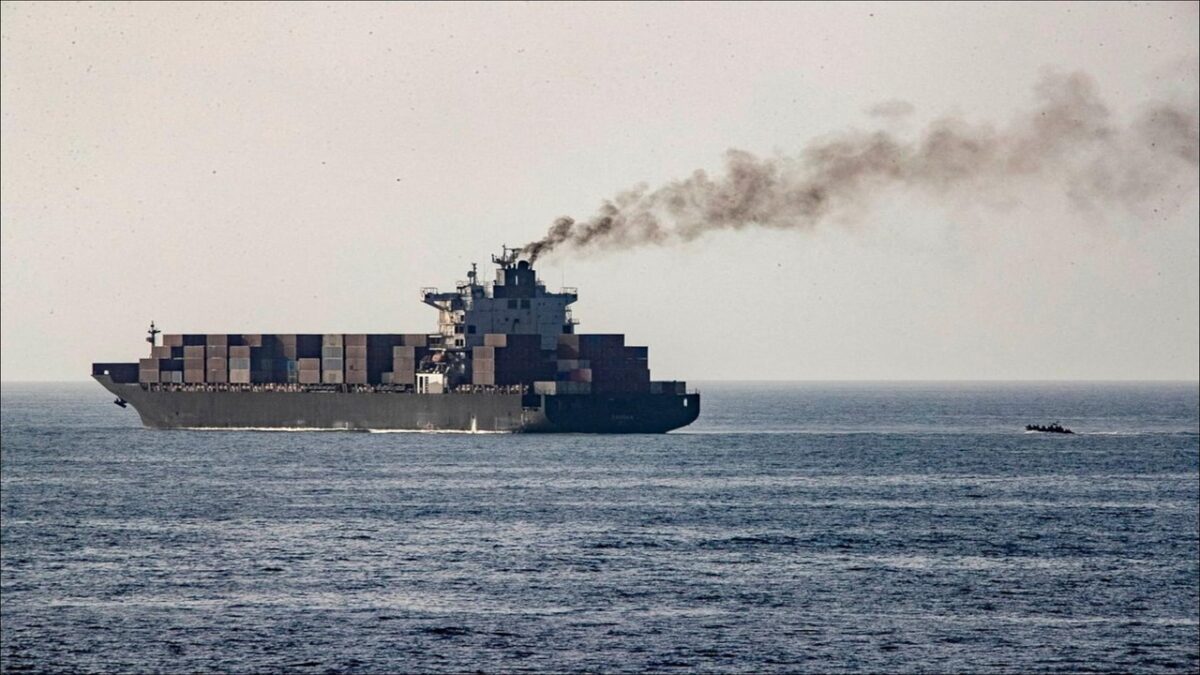
The United States has recently undertaken significant measures, announcing sanctions against three Iranian tankers operating clandestinely in Asian waters. This decisive move underscores Washington’s unwavering commitment to disrupting Iran’s illicit oil trade, which reportedly funds destabilizing activities across the Middle East and beyond. The proactive stance taken by the U.S. against these vessels, reportedly engaged in the secretive transport of Iranian crude oil, sends a clear message to those facilitating Tehran’s circumvention of international sanctions. This targeted action is a crucial component of a broader strategy to exert economic pressure on the Iranian regime, aiming to curb its nuclear ambitions and support for proxy groups.
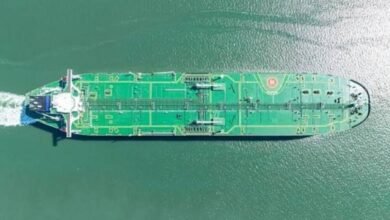
The specific operation involved identifying and sanctioning three vessels, which are believed to be part of Iran’s shadowy “dark fleet.” These tankers often employ deceptive shipping practices, such as disabling their Automatic Identification Systems (AIS), engaging in ship-to-ship transfers under cover of darkness, and frequently changing their names and flags to evade detection. The US action against three Iranian tankers in Asian waters highlights the ongoing cat-and-mouse game between global powers and actors attempting to bypass international restrictions, illustrating the complex nature of maritime enforcement in the modern era. Such measures are vital for upholding the integrity of the global financial system and deterring actors who seek to profit from illicit commerce.
Unpacking the US Sanctions Regime Against Iran’s Oil Exports
The US sanctions against Iran’s oil sector are among the most stringent in the world, primarily designed to limit the regime’s access to vital revenue streams. These sanctions broadly prohibit transactions involving Iranian petroleum products, targeting entities and individuals globally who engage in such trade. The primary aim is to significantly reduce Iran’s ability to export crude oil, condensate, and petrochemical products, thereby cutting off funding for its nuclear program, ballistic missile development, and regional proxy forces. The consistent application of these economic penalties serves as a critical tool in US foreign policy, aiming to compel Tehran to alter its behavior on the international stage.
The Treasury Department, specifically its Office of Foreign Assets Control (OFAC), is the principal body responsible for implementing and enforcing these complex sanctions. OFAC’s authority extends to designating individuals, entities, and vessels that directly or indirectly facilitate the sale, supply, or transfer of Iranian petroleum or petrochemical products. These designations result in the freezing of assets within US jurisdiction and typically prohibit US persons from engaging in transactions with the sanctioned parties. Furthermore, these measures can lead to secondary sanctions, which threaten non-US entities and foreign financial institutions with exclusion from the US financial system if they transact with designated parties, creating a broad deterrent effect on global shipping and financial networks involved in the oil trade.
The Strategic Importance of Asian Waters in Illicit Oil Trade
Asian waters, particularly the vast stretches of Southeast and East Asia, have become a focal point for Iran’s illicit oil smuggling operations. This region offers a confluence of factors that make it attractive for deceptive shipping practices: numerous small ports, complex archipelagic geography providing natural cover, and a high volume of legitimate maritime traffic that can mask illicit activities. The demand for crude oil in certain Asian economies also provides a ready market, despite the international sanctions regime. The geographical spread of these operations, extending from the Persian Gulf through the Indian Ocean and into various Asian jurisdictions, necessitates a robust and coordinated international response to effectively monitor and interdict these shadowy movements.
The use of Asian waters for these transactions also underscores the sophisticated networks involved, which include not only the operators of the tankers but also shell companies, intermediaries, and financial facilitators spread across multiple jurisdictions. These networks exploit gaps in maritime surveillance and regulatory enforcement, making it challenging for individual nations to tackle the problem effectively without robust intelligence sharing and collaborative efforts. The strategic importance of the region means that actions like those taken by the US against three Iranian tankers in Asian waters reverberate across the global shipping industry, putting operators on notice about the risks of engaging in sanctioned trade and the potential repercussions for their vessels and businesses.
Implications for Global Maritime Security and Shipping Industry
The recent US action against Iranian oil tankers carries significant implications for global maritime security and the broader shipping industry. Firstly, it reinforces the message that the US and its allies are actively monitoring and will penalize entities involved in illicit shipping. This creates a deterrent for ship owners, operators, charterers, and insurers who might otherwise be tempted to engage in or inadvertently facilitate sanctioned trade. The risk of designation, asset freezes, and reputational damage serves as a powerful incentive for compliance. Maritime intelligence firms and tracking companies are constantly evolving their methods to identify deceptive shipping practices, making it increasingly difficult for illicit actors to operate undetected.
Moreover, these actions put pressure on port authorities and national governments in Asian regions to enhance their vigilance and enforcement capabilities. Vessels engaging in illicit trade often seek ports willing to overlook their activities or exploit jurisdictions with lax regulations. The international community expects these states to uphold their obligations under international law and UN resolutions to prevent their territories from being used for sanctioned activities. The ongoing effort to curb illicit oil flows also contributes to a safer maritime environment by reducing the risks associated with unmonitored vessels that may pose environmental hazards or contribute to instability in sensitive waterways. This reinforces the need for transparent shipping practices and robust regulatory oversight across the global fleet to ensure compliance with international norms and avoid severe penalties.
Geopolitical Ramifications and Future Outlook
The targeting of Iranian tankers in Asian waters is not merely an economic measure; it is a significant geopolitical maneuver. It signals Washington’s resolve to maintain pressure on Tehran amidst complex regional dynamics, including ongoing tensions in the Persian Gulf and the broader Middle East. This action sends a clear message to Iran’s partners and clients that the US will pursue enforcement wherever illicit activities occur. It also aims to reassure allies in the region, such as Saudi Arabia and the UAE, that the US remains committed to countering Iranian influence and ensuring regional stability, even as diplomatic efforts to revive the Iran nuclear deal have stalled. The interplay between sanctions enforcement and diplomatic initiatives creates a nuanced foreign policy landscape.
Looking ahead, it is probable that the US will continue to refine its enforcement strategies, leveraging advanced intelligence and international partnerships to track and interdict vessels involved in sanctions evasion. The challenges, however, remain substantial. Iran’s “dark fleet” is adaptable, constantly seeking new routes, deceptive tactics, and flag-of-convenience nations to shield its operations. The future effectiveness of these sanctions will depend not only on US unilateral actions but also on the willingness of other major powers and maritime nations to cooperate in enforcing international norms and holding illicit actors accountable. The continued US action against three Iranian tankers in Asian waters underscores that the global struggle against sanctions evasion and the pursuit of maritime transparency will remain a persistent feature of international relations for the foreseeable future, impacting energy markets and geopolitical stability alike.