Saverys Confident in Green Fuels Despite IMO Deal Setback | Mariner News
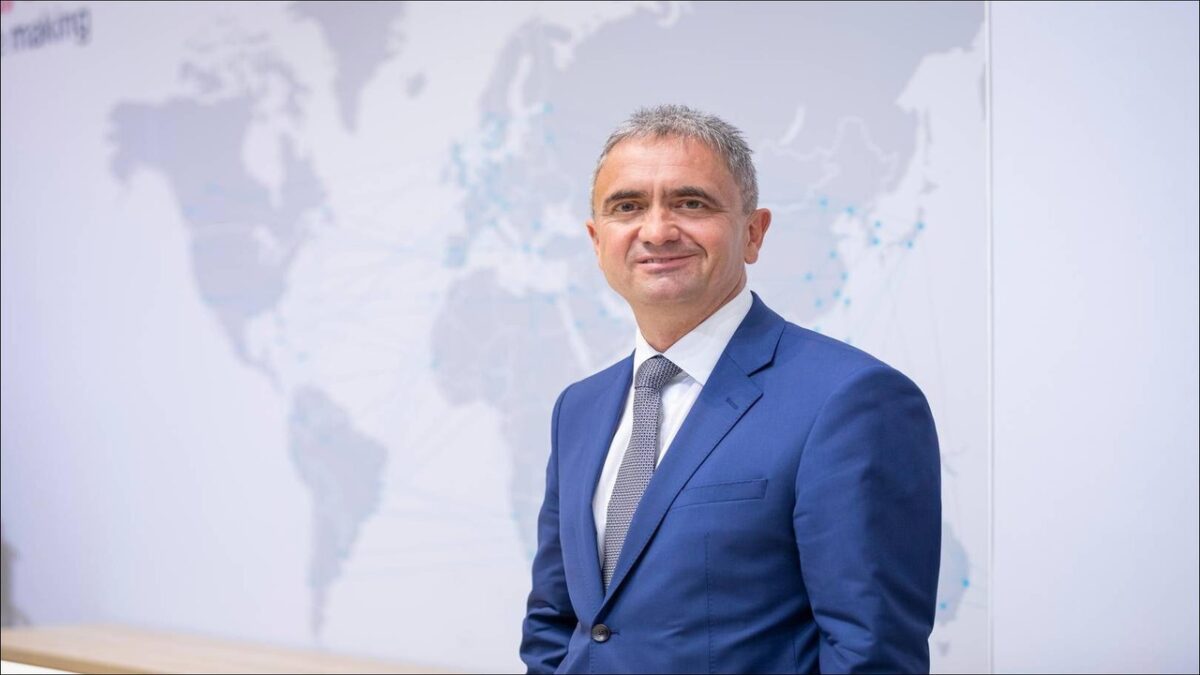
In the complex and often turbulent waters of global shipping, few voices resonate with as much conviction about the future as Alexander Saverys. Despite reported challenges to a crucial International Maritime Organization (IMO) deal, including strong resistance from the United States, Saverys remains unequivocally confident in the long-term trajectory and viability of green fuels. This steadfast belief underscores a deeper commitment to maritime decarbonization that transcends immediate political hurdles, emphasizing that the industry’s shift towards sustainable shipping is not just inevitable, but actively accelerating.
The IMO, the United Nations specialized agency responsible for the safety and security of shipping and the prevention of marine and atmospheric pollution by ships, has been at the forefront of efforts to reduce greenhouse gas emissions from the sector. Discussions surrounding a global carbon levy and a robust fuel standard were critical components of proposed agreements aimed at achieving ambitious decarbonization targets. However, progress has often been fraught with geopolitical complexities. Reports indicated that the United States expressed significant reservations, potentially diluting the ambition of proposed measures. This opposition highlighted the delicate balance between environmental imperatives and national economic interests, creating a challenging backdrop for international consensus building. While some may view such developments as a setback, industry leaders like Saverys see them as mere bumps on a road that ultimately leads to a greener future.
Alexander Saverys, known for his forward-thinking leadership and significant investments in innovative maritime technologies, consistently champions the adoption of green fuels. His confidence stems not from naivety regarding the challenges, but from a profound understanding of market dynamics, technological advancements, and the overwhelming imperative for climate action. Saverys has been a vocal proponent of a multi-fuel approach, recognizing that no single alternative fuel will singularly solve the shipping industry’s emissions problem. Instead, a basket of solutions, including green ammonia, methanol, hydrogen, and advanced biofuels, will be necessary. He emphasizes that the technological readiness for many of these solutions is advancing rapidly, with pilot projects and full-scale operational vessels already demonstrating their potential. The momentum behind research and development, coupled with increasing private sector investment, creates a robust foundation for this transition, irrespective of temporary regulatory slowdowns.
The economic case for green fuels is also strengthening, driven by evolving regulatory landscapes, consumer demand, and the increasing cost of carbon. While the initial capital expenditure for zero-emission vessels and infrastructure can be substantial, the long-term operational benefits, including reduced exposure to carbon pricing and enhanced brand reputation, are becoming clearer. Saverys often highlights that the shipping industry must anticipate and adapt to these shifts, rather than merely react to them. Companies that invest early in green technologies and infrastructure will gain a competitive advantage in a future market where sustainability is not just a preference, but a fundamental requirement. Furthermore, the development of green fuel supply chains, from production to bunkering, represents a massive new economic opportunity, attracting significant investment from energy majors and innovative startups alike. This ecosystem development is crucial and is progressing independently of the granular details of IMO agreements.
Navigating regulatory uncertainty is a constant challenge in the shipping world. While global frameworks like those from the IMO provide overarching guidance, regional regulations and national policies also play a significant role. Saverys believes that while international consensus is desirable, the absence of a perfectly synchronized global agreement should not paralyze progress. Instead, it should spur innovation and proactive investment from within the industry. Companies that prioritize sustainable practices and invest in green fuels now are not only future-proofing their operations but also influencing the regulatory landscape by demonstrating what is technically and economically feasible. This industry-led push creates a virtuous cycle, where technological readiness encourages more ambitious policies, and ambitious policies stimulate further innovation and adoption.
The drive for maritime decarbonization extends far beyond the negotiating tables of the IMO. It is fueled by increasing pressure from environmental groups, the financial sector, cargo owners, and even end consumers who demand more sustainable supply chains. Major corporations are setting their own decarbonization targets for their logistics and shipping, creating a powerful market pull for green shipping solutions. This stakeholder pressure ensures that the transition to green fuels remains a top priority for the shipping industry, regardless of specific political outcomes. The realization that climate change poses an existential threat, coupled with a growing understanding of the shipping sector’s contribution to global emissions, has created an irreversible momentum towards cleaner operations. Saverys’ confidence is rooted in this fundamental shift in mindset and market forces, which he believes are ultimately more powerful than any temporary regulatory hurdle.
In conclusion, Alexander Saverys’ unwavering confidence in green fuels, even in the face of significant challenges to global regulatory agreements like the IMO deal, reflects a deep-seated conviction in the future direction of the shipping industry. His perspective underscores that while international cooperation is vital, the momentum for maritime decarbonization is also driven by technological innovation, economic logic, and an undeniable societal imperative. The path to sustainable shipping may encounter political headwinds, but the destination—a future powered by green fuels—remains clear and achievable. Leaders like Saverys are not merely observing this transformation; they are actively shaping it, demonstrating that resilience and strategic foresight are paramount in navigating the complex journey towards a truly sustainable maritime sector.