Panama Canal Auction: High Slot Prices & Shipping Demand | Mariner News
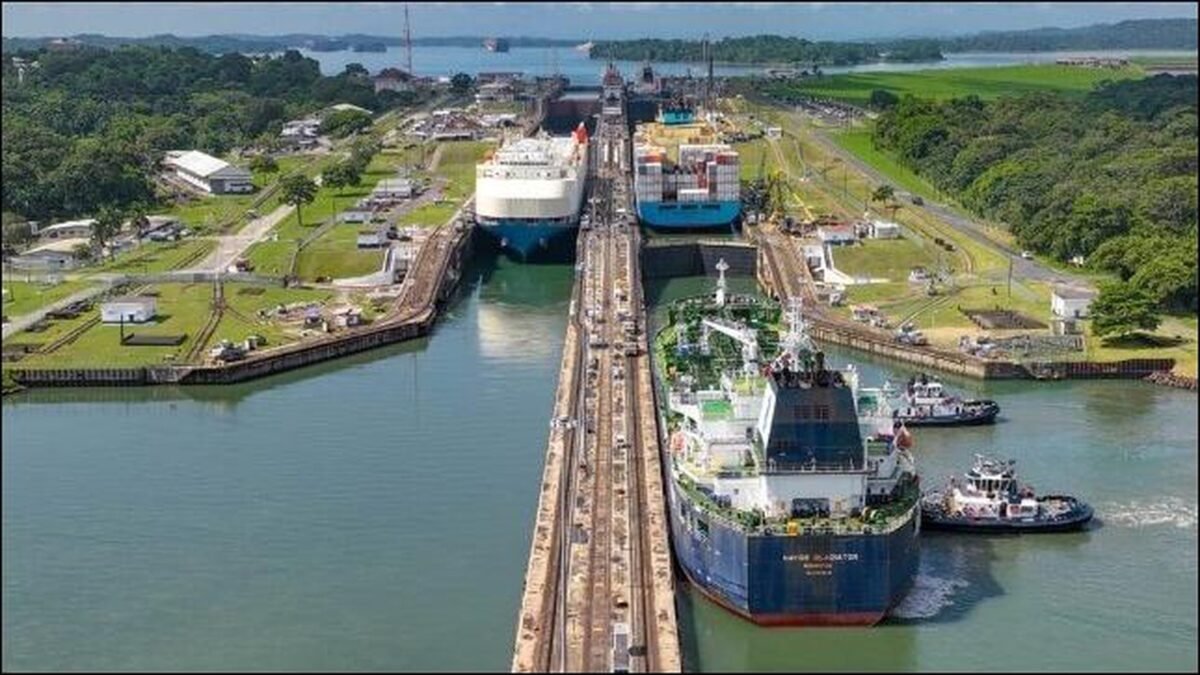
The Panama Canal Authority recently confirmed that some highly sought-after Panama Canal auction slots have commanded prices exceeding $1 million, a figure reflecting a pronounced, albeit temporary, surge in shipping demand. This significant rise in vessel transit fees has captured the attention of the global maritime industry, underscoring the vital role of this critical waterway in international trade. The Authority has been quick to clarify that these elevated prices do not signal persistent congestion but rather an unusual spike in demand, largely influenced by current geopolitical dynamics and shifts in global maritime logistics. This phenomenon highlights the complex interplay of market forces, supply chain pressures, and strategic decisions in the global shipping sector.
Unpacking the Million-Dollar Panama Canal Auction Slots
The Panama Canal Authority’s acknowledgment of million-dollar bids for Panama Canal auction slots has brought intense scrutiny to the canal’s operational dynamics. While such figures might suggest widespread bottlenecks, officials emphasize these are exceptional cases tied to specific, urgent shipping demand. Before the onset of the Middle East conflict, average auction prices for transit slots hovered around $135,000 to $140,000. However, in the wake of the conflict, these averages surged to approximately $385,000. This stark increase demonstrates how quickly geopolitical events can ripple through global supply chains, directly impacting maritime trade routes and the cost of vessel transit.
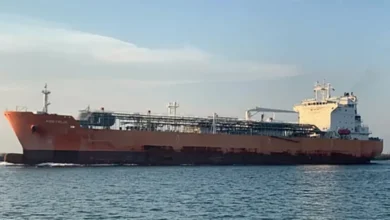
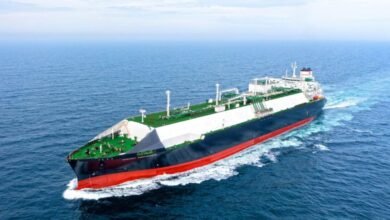
Significantly, the Authority addressed earlier reports of an LPG vessel allegedly paying as much as $4 million for a slot. While acknowledging some vessels had indeed paid over $1 million, Victor Vial, the canal’s vice president of finance, described these instances as extraordinary results, firmly attributing them to a short-term escalation in shipping demand. These high-value transactions are not indicative of systemic issues but rather a reflection of carriers’ urgent need to secure passage, particularly for high-value or time-sensitive cargoes like liquefied natural gas (LNG) and liquefied petroleum gas (LPG). The willingness of carriers to pay such premiums underscores the perceived value of timely transit through this pivotal artery for gas shipping and other critical cargo types.
These exceptional auction prices underscore the strategic importance of the Panama Canal, particularly when alternative routes face disruptions. The ability to bypass longer, more expensive, or less secure paths around Africa becomes invaluable, even at inflated costs. For vessels carrying crucial energy commodities or perishable goods, delays can translate into substantial financial losses, making even million-dollar transit fees a justifiable expense in certain urgent scenarios. This dynamic reinforces the canal’s role as an indispensable component of global maritime commerce.
The Dynamics Behind Elevated Shipping Demand
The current surge in Panama Canal shipping demand is primarily a temporary phenomenon, deeply intertwined with shifting global trade routes and market pressures. The Middle East conflict, for instance, has prompted some carriers to reroute vessels to avoid potential hazards in other strategic waterways. This rerouting strategy inevitably increases traffic through alternative conduits like the Panama Canal, thereby intensifying competition for available reservation slots. The sudden influx of vessels seeking passage through the canal drives up auction prices as carriers compete fiercely for limited capacity.
Moreover, the nature of commodities being transported plays a crucial role. The demand for specific vessel types, such as LNG carriers and LPG vessels, can fluctuate based on global energy markets and regional supply needs. When there is a pressing need to transport these gas carriers rapidly, the urgency translates directly into higher bids for Panama Canal booking slots. This reflects a broader trend where specific sectors within the maritime industry experience concentrated periods of high demand, influencing overall canal traffic and pricing structures.
This temporary demand surge also highlights the intricate connections within the global supply chain. Any disruption in one part of the world can create a cascading effect, altering shipping patterns and increasing pressure on other key transit points. While the Panama Canal is designed to handle significant volumes of maritime trade, sudden, unpredicted surges can momentarily strain its capacity, particularly for unreserved slots. Understanding these dynamics is crucial for both the canal authority in managing operations and for shipping companies in developing resilient logistics strategies.
Navigating the Panama Canal: Booking Mechanisms and Strategies
To mitigate waterway congestion and ensure efficient vessel scheduling, the Panama Canal offers a variety of sophisticated booking mechanisms. The majority of ships entering the canal secure their transit slots well in advance, a proactive approach that helps them avoid potential queues and minimizes uncertainty regarding transit fees. This foresight is a cornerstone of effective maritime logistics, allowing shipping companies to plan their voyages and manage freight costs more effectively. Advanced booking is particularly crucial for vessels carrying high-value container shipping or sensitive cargoes.
The canal’s system includes provisions for long-term slot allocations, which benefit carriers with regular transit schedules. Furthermore, a dedicated booking system is in place for liquefied natural gas vessels, acknowledging the specialized requirements and critical nature of LNG shipping. These tailored options are designed to enhance maritime efficiency for specific segments of the global shipping industry, ensuring that vital energy supplies can move reliably through the canal. This structured approach helps in managing varied Panama Canal traffic and prioritizing specific vessel types based on their operational demands.
For ships that do not reserve ahead of time, the canal also provides last-minute reservation options, primarily through its auction system. While these last-minute slots can come at a premium, as evidenced by the recent million-dollar bids, they offer a crucial safety net for vessels facing unexpected schedule changes or urgent transit needs. This flexibility, albeit at a potentially higher cost, is an integral part of the canal’s operational strategy, allowing it to adapt to unforeseen spikes in shipping demand and maintain its role as a responsive lifeline for global maritime commerce. Understanding and utilizing these Panama Canal booking strategies is key for optimizing vessel transit.
Economic Impact and Future Outlook for Panama Canal Transits
The economic implications of soaring Panama Canal auction slots are far-reaching, impacting not only shipping companies but potentially consumers as well. Elevated transit fees contribute directly to increased freight costs, which can ultimately be passed down the supply chain. While these surges are deemed temporary, their immediate effect on operational budgets for carriers, particularly those in gas shipping or container shipping, can be significant. This underscores the need for global trade participants to monitor canal operations and shipping economics closely, adapting their strategies to maintain supply chain resilience.
The Panama Canal Authority remains committed to maintaining smooth and efficient canal operations, aiming to alleviate potential future bottlenecks through effective management and capacity utilization. The Authority’s perspective is that while such price spikes are exceptional, they also reflect the canal’s irreplaceable value to the maritime industry. As global shipping trends evolve, so too will the strategies employed by both the canal and its users. The long-term outlook for Panama Canal transits emphasizes stability and reliability, supported by continuous investment in infrastructure and sophisticated maritime logistics systems.
Looking forward, the canal’s ability to adapt to fluctuating shipping demand and geopolitical shifts will be paramount. Discussions about expanding capacity or optimizing existing systems are ongoing, driven by the persistent growth in global maritime commerce. The balance between maximizing revenue from auction slots and ensuring equitable access for all vessel types is a delicate one, constantly being evaluated to support the efficient flow of global trade routes. The economic vitality of numerous nations depends on the consistent and affordable flow of goods through this strategic waterway.
Adapting to Evolving Global Shipping Challenges
The recent surge in Panama Canal auction slots serves as a stark reminder of the broader challenges facing the global shipping industry. Geopolitical instability, economic fluctuations, and even environmental considerations can all exert pressure on maritime trade routes and supply chain strategies. Shipping companies and maritime logistics providers are continually seeking innovative solutions to navigate these complexities, from optimizing vessel scheduling to diversifying their reliance on specific trade routes. The Panama Canal, as a pivotal chokepoint, often mirrors these larger global dynamics.
Furthermore, the focus on specific vessel types such as LNG carriers and LPG vessels in these high-value auctions highlights the increasing importance of energy shipping logistics. The global energy landscape demands reliable and efficient transit for gas carriers, making the Panama Canal an indispensable link in securing energy supplies. As such, the canal’s capacity and booking systems must continuously evolve to meet these specialized needs, ensuring that critical resources reach their destinations without undue delay or cost.
The resilience of the global supply chain heavily relies on the adaptability of critical infrastructure like the Panama Canal. By offering various booking mechanisms and managing canal traffic strategically, the Authority strives to provide consistent service despite external pressures. The experiences from these high-demand periods will undoubtedly inform future operational adjustments, ensuring the Panama Canal remains a robust and reliable pathway for maritime commerce for decades to come.
In conclusion, while the recent million-dollar Panama Canal auction slots have drawn significant attention, they primarily reflect a temporary surge in shipping demand driven by specific global circumstances, rather than chronic waterway congestion. The Panama Canal Authority maintains that these high prices are exceptional, underscoring the vital, time-sensitive nature of some vessel transit needs. Through its established booking mechanisms and ongoing commitment to efficient canal operations, the Panama Canal continues to serve as an indispensable artery for global maritime commerce, effectively managing shipping demand and facilitating the smooth flow of maritime trade across the globe. The maritime industry will continue to monitor how these global shipping trends influence Panama Canal transits as it adapts to an ever-changing geopolitical and economic landscape.