European Port Strikes Threaten Supply Chains | Mariner News
European ports, vital arteries of global commerce, are once again facing the specter of widespread industrial action. These European port strikes risk new pangs and pains, severely hampering trade flows and injecting fresh instability into maritime logistics. From the bustling hubs of Rotterdam and Hamburg to critical Mediterranean gateways, labor disputes are emerging as a significant threat to an already fragile global supply chain. Driven by inflation, stagnant wages, and demanding working conditions, their repercussions extend beyond the quaysides. They impact manufacturing schedules, retail inventories, consumer prices, and national economies. As workers across the continent vocalize grievances, businesses, shippers, and governments brace for turbulence, highlighting the urgent need for resolution and robust contingency planning to maintain the fluid movement of goods.
The Rising Tide of Labor Unrest in European Ports
The maritime sector across Europe has seen an escalating wave of labor unrest, leading to frequent and impactful port strikes. These actions are often fueled by workers’ demands for improved wages to counter soaring inflation, better working conditions, and job security amidst increasing automation. Recent years witnessed significant industrial action in key European maritime gateways.
German ports like Hamburg and Bremerhaven, major French ports such as Marseille and Le Havre, and UK hubs like Felixstowe and Liverpool have all experienced disruptive strikes. Walkouts by dockworkers, crane operators, and essential port personnel can bring operations to a standstill, creating immediate backlogs and long-term delays. Fundamental disagreements often center on collective bargaining agreements, with unions pushing for remuneration reflecting demanding port work and rising living costs, while port operators prioritize competitiveness and operational efficiency. This persistent tension forms a volatile backdrop for European trade.
Disruptions Echoing Through Global Supply Chains
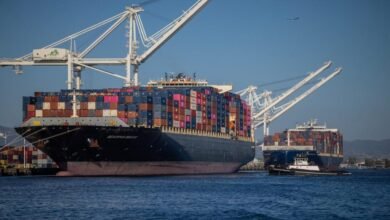
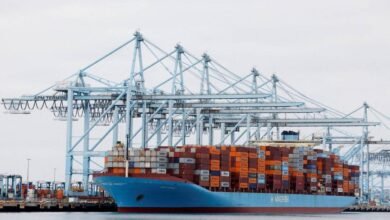
European port strikes trigger a severe cascading effect throughout intricate global supply chains. Vessels, unable to berth or unload, face prolonged delays and significant congestion outside port limits. This forces shipping lines to re-route ships, often to less efficient ports or to skip scheduled calls, disrupting meticulously planned logistics networks. The domino effect is severe: containers pile up, truck wait times increase, and goods destined for factories or retail shelves are held hostage.
Businesses relying on just-in-time inventory are particularly vulnerable, facing production stoppages, order backlogs, and missed delivery deadlines. Cost implications are substantial, ranging from demurrage and detention charges for delayed containers to increased freight rates as carriers grapple with inefficiencies and fuel surcharges. The capacity crunch at alternative ports quickly leads to secondary congestion, exacerbating the problem. The interconnectedness of global trade means a strike in one major European port can slow down manufacturing continents away, proving localized disputes have global economic ramifications for consumers and businesses.
Economic Repercussions and Trade Flow Challenges
The economic fallout from sustained European port strikes can be profound, impacting national GDPs, trade balances, and overall economic stability. For importing nations, delays in receiving raw materials or finished goods stifle industrial output and reduce consumer choice, potentially contributing to inflationary pressures. Exporting countries struggle to get products to international markets, leading to lost sales, damaged trade relationships, and declining competitiveness.
The shipping industry bears a heavy financial burden through increased operational costs, reduced vessel utilization, and costly contingency planning. Beyond immediate losses, there’s a risk of long-term damage to the reputation of European ports as reliable gateways. This could prompt global shippers to seek more stable alternatives, potentially resulting in permanent shifts in trade flows. Governments must mediate disputes while safeguarding national economic interests. The cumulative effect of numerous disruptions can lead to significant economic contractions, undermining recovery efforts and dampening investment sentiment across the continent, directly influencing trade volumes and international commerce.
Strategies for Navigating Port Strike Disruptions
In the face of persistent European port strikes, businesses and logistics providers must adopt robust strategies to mitigate disruptions. Diversifying supply chains by utilizing multiple ports of entry and exit, rather than relying solely on one or two hubs, builds resilience. Advanced planning and clear communication with logistics partners, freight forwarders, and shipping lines are crucial for identifying bottlenecks and adapting quickly.
Exploring multimodal transport solutions—shifting cargo from sea to rail or road, especially for intra-European movements—offers alternatives, albeit often at higher costs. Building strategic inventory buffers, where feasible, cushions the impact of short-term delays, preventing stockouts. Leveraging real-time visibility tools and predictive analytics allows companies to anticipate disruptions and proactively re-route cargo. For port authorities and governments, fostering continuous dialogue with labor unions, improving working conditions, and exploring innovative dispute resolution mechanisms are essential steps toward a more stable and predictable operating environment.
The Future Outlook: Resolving Labor Disputes and Ensuring Port Resilience
Looking ahead, the long-term stability of European ports depends on effectively resolving ongoing labor disputes and building enhanced resilience. A critical element is constructive dialogue between port operators, employers, and labor unions. This dialogue must address core concerns regarding fair wages, suitable working conditions, training for new technologies, and a clear framework for dispute resolution that minimizes the likelihood of disruptive European port strikes.
Investment in port infrastructure, including digitalization and automation, can improve efficiency and capacity but must be accompanied by strategies to manage workforce impact, perhaps through reskilling. The European Union and national governments play a pivotal role in facilitating mediation, promoting best practices, and potentially standardizing aspects of labor relations. Ensuring port resilience goes beyond avoiding strikes; it involves creating adaptable, technologically advanced, and socially responsible maritime gateways that can weather economic shocks and geopolitical shifts. The future of global trade relies heavily on European ports maintaining operational stability and industrial harmony.
The recurrence of European port strikes presents a significant, ongoing challenge to global trade and maritime logistics. Their potential to inflict widespread economic pain, from supply chain disruptions to inflationary pressures, underscores the urgent need for sustainable solutions. By fostering genuine dialogue, addressing workers’ legitimate concerns, and investing in resilient port infrastructure, stakeholders can collectively mitigate the impact of these industrial actions. The stability of Europe’s vital port network is not merely a regional issue but a cornerstone of international commerce, demanding continuous attention and proactive strategies for uninterrupted global trade flows.