AYK Energy Powers Svitzer Battery-Methanol Tug | Mariner News
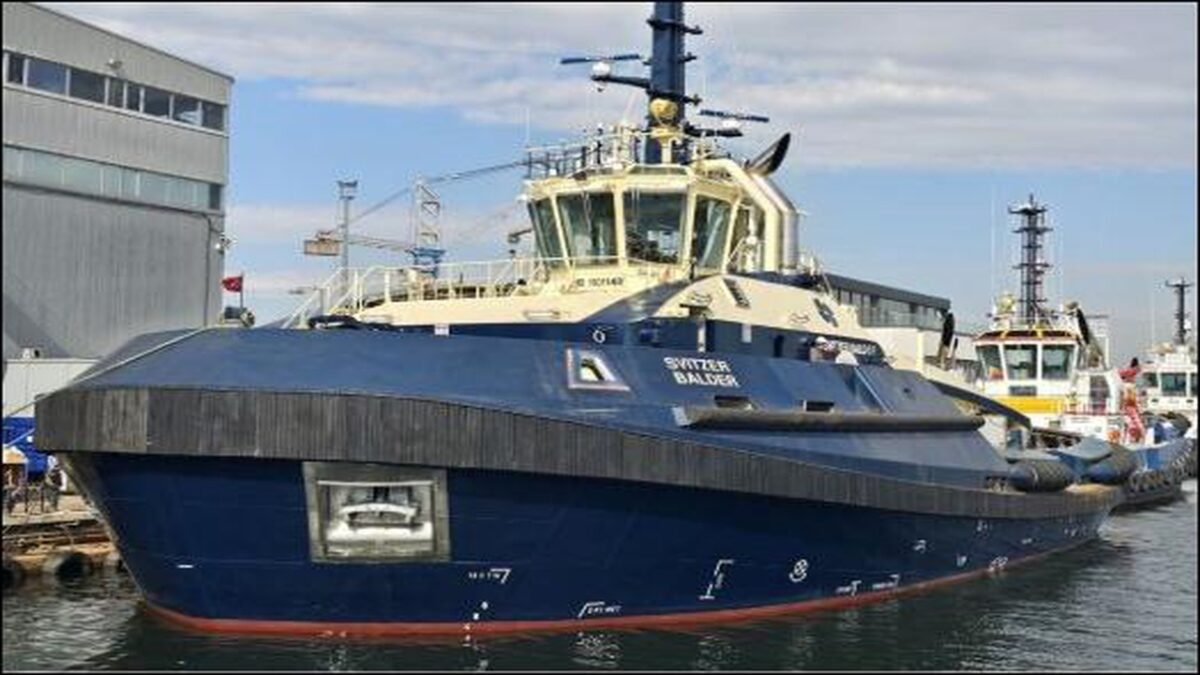
The maritime industry is undergoing a transformative shift towards sustainable operations, and a recent groundbreaking development underscores this commitment: the successful integration of the AYK Energy Battery System into the pioneering Svitzer Battery-Methanol Tug, the Svitzer Balder. This innovative vessel represents a significant leap forward in marine electrification and the adoption of alternative fuels, setting a new benchmark for eco-friendly harbor operations. Following rigorous and successful sea trials, the tug, constructed by Uzmar Shipyard, is now poised for delivery to the bustling Port of Gothenburg, where it will lead the charge in reducing emissions and enhancing operational efficiency for towing and docking operations. This project not only highlights the practical application of cutting-edge energy storage solutions but also signals a growing demand for such sustainable technologies within the global shipping sector, especially for crucial port services. The collaboration between AYK Energy and Svitzer demonstrates a shared vision for a greener future on the world’s waterways.
Pioneering Sustainable Tug Operations at the Port of Gothenburg
The deployment of the Svitzer Balder at the Port of Gothenburg marks a pivotal moment for both regional and international maritime sustainability. As a global leader in towage and marine services, Svitzer has consistently pursued initiatives aimed at decarbonizing its fleet and operations. The Svitzer Balder, with its advanced hybrid propulsion system, exemplifies this strategic direction. Operating primarily on battery power for over 90% of its routine towing and docking tasks, this advanced tugboat will drastically reduce local emissions, contributing to cleaner air quality within the port environment and surrounding urban areas. The Port of Gothenburg, a major Scandinavian port, serves as an ideal launchpad for this technology, demonstrating to a wider audience the viability and benefits of such green maritime solutions in a demanding operational setting.
This commitment extends beyond a single vessel; the Svitzer Balder is the fifth tug in Svitzer’s impressive fleet to integrate AYK battery systems, showcasing a consistent and escalating embrace of electric propulsion. This strategic adoption across multiple vessels underscores a long-term vision for sustainable operations, where advanced marine battery systems become standard. The focus on low-emission vessel operations at a critical hub like Gothenburg is expected to inspire other ports and maritime service providers to accelerate their own decarbonization efforts, creating a ripple effect across the entire industry. The operational data gathered from the Svitzer Balder will be crucial in further optimizing performance and validating the commercial and environmental advantages of hybrid tugboats.
AYK Energy’s Advanced Marine Battery Technology
The heart of the Svitzer Balder’s innovative propulsion lies in the sophisticated AYK Energy Battery System. AYK Energy has supplied an ABS-certified 6MWh lithium iron phosphate (LFP) battery system, a testament to the company’s expertise in developing robust and reliable energy storage solutions for the demanding marine environment. LFP technology stands out due to its superior safety profile, longer cycle life, and lower cost compared to traditional lithium-ion chemistries. These attributes make LFP batteries an increasingly attractive option for maritime applications where durability, operational integrity, and economic viability are paramount.
The 6MWh capacity ensures that the Svitzer Balder can perform the vast majority of its heavy-duty operations on clean electric power, minimizing reliance on fossil fuels. The ABS certification further guarantees that the battery system meets stringent international standards for marine safety and performance, providing peace of mind regarding its reliability in challenging sea conditions. AYK Energy’s involvement extended beyond just supplying the hardware; they also provided crucial support during the vessel’s sea trials, ensuring seamless integration and optimal performance of the entire power system. This comprehensive approach from AYK Energy has been instrumental in the successful realization of this groundbreaking project, demonstrating their capability as a leading provider of marine electrification components.
The Hybrid Advantage: Battery-Methanol Synergy for Efficiency
What makes the Svitzer Balder truly unique is its ingenious dual-fuel setup, combining the primary AYK Energy Battery System with advanced dual-fuel methanol engines. This hybrid propulsion strategy offers unparalleled operational flexibility and redundancy. While the high-capacity marine battery system handles the lion’s share of the work – projected to be over 90% of towing and docking operations – the methanol engines serve as a robust backup and provide extended range for longer transits or unexpected scenarios. This innovative combination ensures that the tug can maintain continuous operation without compromising its environmental credentials.
Methanol, as an alternative marine fuel, presents significant advantages in the journey towards decarbonization. It is a cleaner-burning fuel compared to conventional marine diesel, capable of substantially reducing nitrogen oxides (NOx) and sulfur oxides (SOx) emissions, and also offering a pathway to lower carbon emissions, especially when produced from renewable sources. The synergy between battery power and methanol engines allows the Svitzer Balder to maximize its green operational hours while retaining the security and flexibility of a conventional fuel option. This forward-thinking approach mitigates range anxiety often associated with fully electric vessels, making the Svitzer Balder a practical and environmentally responsible solution for modern harbor services.
Driving Maritime Decarbonization and Environmental Impact
This project represents more than just a technological achievement; it is a powerful statement about the maritime industry’s drive towards genuine decarbonization. The deployment of the Svitzer Balder, powered by the AYK Energy Battery System, is directly contributing to the International Maritime Organization’s (IMO) ambitious targets for reducing greenhouse gas emissions from shipping. By dramatically cutting the use of traditional marine fuels during port operations, the tug significantly lowers its carbon footprint, helping to combat climate change and improve local air quality in sensitive coastal areas and port communities.
The reduction in harmful emissions, including particulate matter and nitrogen oxides, has immediate and tangible benefits for public health and local ecosystems. Furthermore, the operational quietness of electric propulsion systems also contributes to a reduction in noise pollution, enhancing the quality of life for port workers and nearby residents. The successful operation of the Svitzer Balder serves as a compelling case study for the scalability and effectiveness of hybrid electric solutions across a wider range of vessel types, paving the way for a more sustainable and environmentally conscious global fleet. This integration of advanced marine battery technology underscores a pivotal moment in the industry’s ecological transition.
The Expanding Horizon of Marine Electrification
The success of the Svitzer Balder project, bolstered by the reliability of the AYK Energy Battery System, firmly underlines the rapidly expanding demand for marine batteries and electric propulsion solutions worldwide. The maritime sector is increasingly recognizing that electrification is not just an environmental imperative but also offers significant operational and economic advantages, including lower fuel costs, reduced maintenance, and enhanced vessel performance. Advances in lithium iron phosphate (LFP) battery technology, in particular, are making these solutions more cost-effective and safer, accelerating their adoption across various vessel segments, from ferries and workboats to offshore support vessels.
Regulatory pressures, combined with increasing public and corporate awareness of environmental responsibility, are fueling innovation in clean marine energy. This trend is expected to continue, leading to further technological breakthroughs in battery density, charging infrastructure, and integrated power management systems. The Svitzer Balder stands as a beacon for what is possible when innovative technology meets a commitment to sustainability, demonstrating that a future of low-emission, highly efficient maritime operations is not just a distant dream, but a present reality being actively shaped by industry leaders like Svitzer and technology pioneers like AYK Energy.
A Greener Tomorrow for Global Shipping
In conclusion, the successful integration of the AYK Energy Battery System into the Svitzer Battery-Methanol Tug, the Svitzer Balder, signifies a monumental achievement in the maritime industry’s pursuit of decarbonization. This vessel is more than just a tug; it is a symbol of innovation, sustainability, and the collaborative spirit required to forge a greener future for global shipping. By combining the strengths of high-capacity marine batteries with the versatility of methanol engines, Svitzer and AYK Energy have delivered a solution that not only meets stringent environmental standards but also ensures robust operational capabilities. As the Svitzer Balder begins its operations at the Port of Gothenburg, it paves the way for a new era of clean, efficient, and sustainable marine services, inspiring the entire industry to embrace advanced energy solutions and accelerate the transition towards a truly green maritime sector.