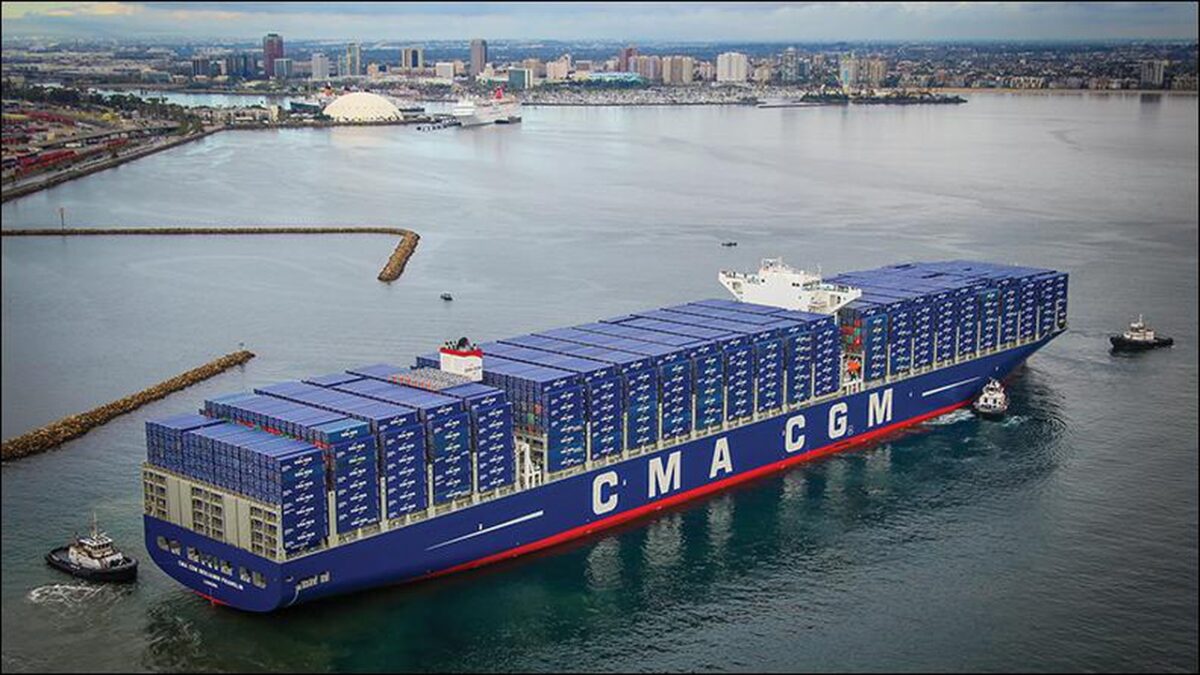
CMA CGM Tests Wider Red Sea Return with Seven Services | Mariner News
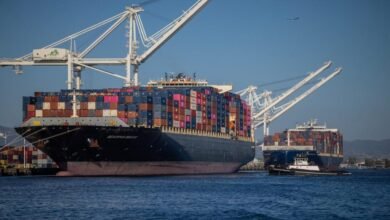
In a significant development for global maritime trade, French container shipping giant CMA CGM is cautiously testing a wider return to the Red Sea, a pivotal waterway for Asia-Europe commerce. This strategic move involves seven of its mainline container shipping services now routing through the Bab-el-Mandeb Strait, signaling a potential shift in the risk-reward assessment for major carriers amidst ongoing security concerns in the region. The decision, as reported by sector specialist Alphaliner, based on current vessel schedules, marks a calculated expansion after many shipping lines had rerouted vessels around the Cape of Good Hope to avoid potential threats.
This re-engagement with the Red Sea corridor underscores the immense pressure on shipping companies to optimize routes, reduce transit times, and mitigate rising fuel costs. While security remains a paramount concern, the economic imperative of the shorter passage via the Suez Canal and Bab-el-Mandeb is undeniable. CMA CGM’s approach, described as a ‘cautious expansion,’ reflects the complex balancing act between operational efficiency and the safety of crew and cargo that defines the contemporary shipping industry landscape. This development will undoubtedly be closely watched by other major players in the maritime trade sector.
Navigating Geopolitical Waters: The Red Sea Reopening Strategy
The Red Sea, a vital artery for global commerce, has been plagued by heightened geopolitical tensions and security risks in recent months, leading many shipping firms to divert vessels away from its waters and the narrow Bab-el-Mandeb Strait. These diversions, primarily around Africa’s Cape of Good Hope, have significantly increased voyage lengths, adding weeks to transit times and escalating fuel consumption and operational expenses for container vessels. Such prolonged journeys have inevitably led to delays across global supply chains, impacting everything from manufacturing schedules to consumer goods availability.
CMA CGM’s decision to test a wider return to this critical maritime corridor is a testament to the persistent economic pressure faced by shipping lines. The allure of the shorter and more direct route linking Asian and European markets through the Suez Canal is immense. By re-engaging with the Red Sea, the company aims to capitalize on the reduced transit times and potential cost savings associated with avoiding the lengthy circumnavigation of Africa. This strategic pivot highlights a calculated willingness to navigate the inherent risks, potentially signaling a belief that security measures or situational assessments allow for a partial resumption of normal operations.
However, this is not a full-scale return but a measured, cautious expansion. Schedule data reveals that CMA CGM has added three new services to the Red Sea corridor, building upon four loops that had either continued using the route in recent weeks or only briefly diverted before resuming. This incremental approach allows the carrier to closely monitor the evolving security landscape and adapt its strategies as necessary, minimizing exposure while still pursuing the efficiencies offered by the traditional route. The move demonstrates a sophisticated risk management strategy, distinguishing between routes and vessel types to optimize for both safety and speed.
Seven Services Lead the Way: Key Routes and Vessels
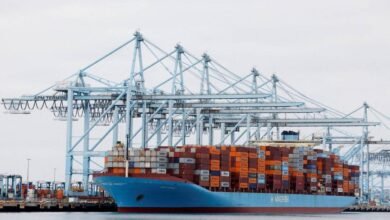
The details of CMA CGM’s expanded Red Sea container services highlight the strategic importance and scale of this initiative. Seven mainline services are now slated to transit the Bab-el-Mandeb, connecting vital economic hubs across Asia, the Mediterranean, Europe, and the Indian subcontinent. Among these, the Asia-Mediterranean ‘MEX’ service stands out, deploying very large ‘megamax’ vessels, which are critical for high-volume cargo movement between these two continents. The inclusion of such significant assets underscores the company’s commitment to testing the viability of this route for its most crucial operations.
One notable vessel, the 16,020 TEU CMA CGM Jules Verne, has already successfully completed an eastbound transit, demonstrating the practical feasibility of deploying substantial container vessels through the Red Sea. Furthermore, the CMA CGM Marco Polo is scheduled to cross the Suez Canal westbound in the coming days, continuing this series of test voyages. Adding to this fleet, the colossal 23,872 TEU CMA CGM Grand Palais is also expected to undertake its maiden voyage through this corridor, marking a significant milestone for a vessel of its immense capacity.
Beyond these marquee services, additional ad hoc sailings are also part of this trial. For instance, the 8,444 TEU CMA CGM Tosca, operating on the Ocean Rise Express service, is scheduled to transit the Red Sea on its way to Rotterdam, with a crucial call at Jeddah along the way. Similarly, the 11,388 TEU CMA CGM Gemini is anticipated to utilize this shorter passage on the Europe-Middle East-Indian subcontinent ‘EPIC’ service. These diverse vessel deployments across various services indicate a comprehensive evaluation of the Red Sea route’s suitability for different operational requirements and trade lanes.
Impact on Global Supply Chains and Shipping Dynamics
CMA CGM’s strategic recalibration of its shipping routes through the Red Sea holds considerable implications for global supply chains and the broader maritime trade. Should this cautious return prove sustainable and safe, it could encourage other major carriers to reassess their own routing strategies. A wider adoption of the Red Sea route would likely lead to a reduction in transit times for goods moving between Asia and Europe, offering a much-needed boost to supply chain efficiency that has been severely tested in recent years by various global disruptions.
The potential for shorter voyages also translates directly into lower fuel consumption and operational costs for shipping lines, which could, in turn, influence freight rates. While it’s unlikely to cause an immediate dramatic drop, a sustained return to the Red Sea could alleviate some of the upward pressure on shipping costs that has been a significant concern for importers and exporters. Improved schedule reliability would also be a welcome development, reducing the unpredictability that has plagued global logistics and allowing businesses to plan with greater certainty.
However, the stability of this return hinges entirely on the security situation. Any renewed escalation of threats could quickly reverse these gains, forcing carriers back to the longer Cape of Good Hope route. Therefore, the ongoing geopolitical landscape will remain the primary determinant of the long-term viability of Red Sea shipping. This dynamic interplay between economic efficiency and geopolitical stability makes CMA CGM’s current trials a critical barometer for the entire shipping industry as it seeks to adapt and navigate an increasingly complex global environment.
The Future of Red Sea Transit: Balancing Efficiency and Security
The ongoing trials by CMA CGM represent more than just an operational adjustment for a single company; they offer a crucial glimpse into the potential future of Red Sea shipping and global maritime security. For the shipping industry, the ability to safely and efficiently transit this vital corridor is paramount for maintaining the delicate balance of global supply chains. The success of CMA CGM’s cautious expansion could set a precedent, paving the way for a broader return by other carriers, provided that robust security frameworks can be sustained.
Long-term sustainability of container services through the Red Sea will depend heavily on collaborative efforts. This includes enhanced intelligence sharing among international naval forces, more effective security protocols by shipping companies, and diplomatic resolutions to regional conflicts. Innovations in vessel tracking technology, real-time threat assessments, and adaptive convoy systems might also play a role in bolstering confidence for future transits. The strategic deployment of assets, combined with a willingness to adjust based on dynamic security conditions, will define the operational landscape.
CMA CGM’s proactive stance highlights a critical strategic imperative: to continuously evaluate and adapt in an ever-changing geopolitical environment. Their measured re-entry into the Red Sea underscores the powerful economic incentives at play, forcing a re-evaluation of risk when faced with the substantial costs of alternative routes. As the maritime trade evolves, balancing the demand for efficient shipping routes with the absolute necessity of safety will remain at the forefront of decision-making for all global carriers involved in container shipping.
In conclusion, CMA CGM’s phased return to the Red Sea with seven of its container shipping services signifies a pivotal moment for the global shipping industry. This strategic decision, while cautious, reflects a powerful economic drive to restore efficiency to vital Asia-Europe trade lanes, leveraging the Suez Canal and Bab-el-Mandeb route once more. While the benefits of shorter transit times and reduced operational costs are clear, the enduring success of this initiative will be inextricably linked to the evolving geopolitical situation and the ability to maintain robust maritime security in this critical corridor. The world will be watching closely to see if this cautious expansion can pave the way for a more stable and efficient future for global container shipping.