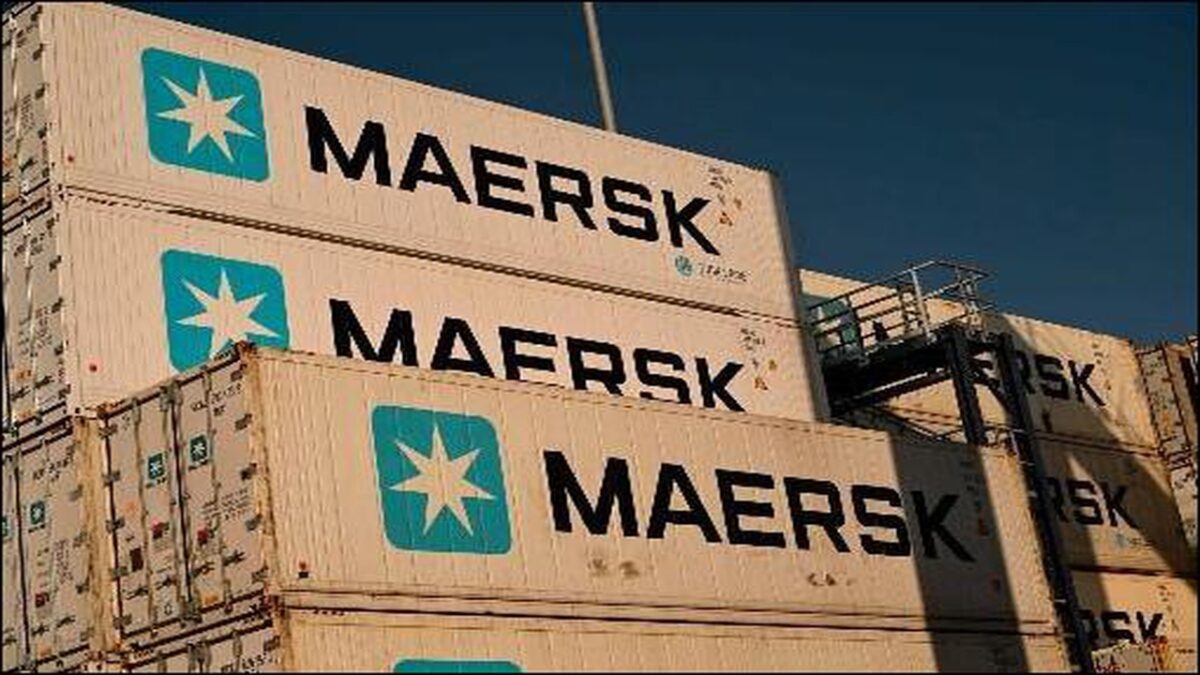
Denmark’s Shadow Fleet Hesitancy: Maersk’s Concerns | Mariner News
Denmark finds itself in a precarious position, navigating the treacherous waters of international sanctions and national economic interests. Analysts suggest a notable hesitancy within Danish policy-making regarding a more aggressive stance against the burgeoning ‘shadow fleet’, largely out of concern for potential repercussions on its globally significant shipping giant, A.P. Moller-Maersk. This delicate balancing act underscores the intricate web of geopolitics, commerce, and maritime security that defines contemporary global trade, particularly impacting the container shipping sector and the broader Danish maritime industry.
The ‘shadow fleet’ refers to a clandestine network of vessels, often older and operating with obscured ownership and insurance, primarily engaged in circumventing international sanctions against specific nations, most notably Russia and Iran. These rogue ships transport oil, refined products, and other commodities, providing a lifeline for sanctioned regimes and posing significant environmental and safety risks due to their often substandard conditions and lack of proper oversight. Their operations frequently involve deceptive shipping practices, such as disabling AIS transponders, ship-to-ship transfers in open waters, and flag hopping, making them incredibly difficult to track and regulate by legitimate maritime authorities.
The genesis of this illicit shipping network can be traced back to the tightening of international sanctions, particularly following Russia’s full-scale invasion of Ukraine. As traditional Western shipping, insurance, and financial services withdrew from Russian oil trades, a void was created, swiftly filled by opportunistic actors. This fleet, comprising hundreds, possibly thousands, of tankers and bulk carriers, operates largely outside conventional regulatory frameworks, challenging established norms of maritime governance and posing direct competition to compliant carriers. The sheer scale and adaptability of the shadow fleet present a formidable challenge to any nation attempting to enforce sanctions or maintain robust maritime security.
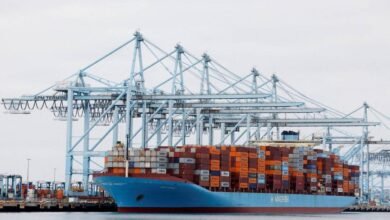
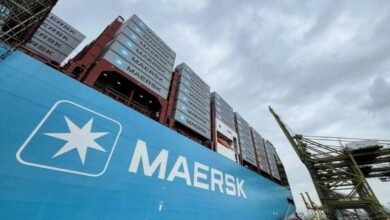
A.P. Moller-Maersk, headquartered in Copenhagen, is not just a company; it is a cornerstone of the Danish economy and a symbol of its global influence. As one of the world’s largest container shipping and logistics companies, Maersk plays an indispensable role in global supply chains, connecting producers and consumers across continents. Its operations span liner shipping, port terminals, logistics, and freight forwarding, making it an integrated behemoth in the maritime sector. The company’s vast fleet, extensive network, and hundreds of thousands of employees globally contribute significantly to Denmark’s GDP, employment, and international standing. Therefore, any policy decision that could inadvertently harm Maersk’s operations or competitive edge is naturally viewed with extreme caution by the Danish government.
The Shadow Fleet’s Threat to Legitimate Shipping
The existence and expansion of the shadow fleet present multifaceted threats to legitimate shipping companies like Maersk. Firstly, it creates an uneven playing field. Vessels operating outside regulatory compliance avoid the costs associated with stringent safety standards, environmental regulations, proper insurance, and transparent ownership, allowing them to offer lower freight rates. This price advantage can distort market dynamics and pressure compliant operators. Secondly, the shadow fleet’s operations, often involving older, poorly maintained ships, increase the risk of maritime incidents such as oil spills or collisions. Such incidents in critical waterways could disrupt global trade routes, affecting all carriers, including Maersk, and potentially leading to higher insurance premiums and operational complexities across the industry. The lack of transparency also complicates risk assessment for everyone involved in maritime commerce.
Moreover, the illicit nature of these operations can indirectly tarnish the reputation of the entire shipping industry. When maritime security is compromised, or environmental disasters occur due to rogue vessels, public and political pressure often mounts on all stakeholders, including reputable companies. This can lead to increased scrutiny, calls for tighter regulations, and potential administrative burdens that impact compliant firms more heavily. The shadow fleet erodes trust in the global maritime system, a system Maersk heavily relies upon for its predictable and regulated operations.
Denmark’s Geopolitical and Economic Conundrum
Denmark’s position is inherently complex. As a member of the European Union and NATO, it is committed to upholding international law and enforcing sanctions designed to maintain global stability and security. However, simultaneously, it must safeguard its national economic interests, which are inextricably linked to the prosperity of companies like Maersk. This creates a challenging dilemma: how to actively combat the shadow fleet without inadvertently penalizing or creating undue burdens for its own legitimate shipping champions. A too-aggressive posture, for instance, might involve more stringent port inspections or naval interdictions that could slow down legitimate trade or be misinterpreted, impacting vessel movements or international perceptions of Danish waters.
The fear is that overly zealous measures could lead to unintended consequences, such as retaliatory actions from other nations or a perception of regulatory overreach that makes Danish ports or waters less attractive for global shipping. The shipping industry thrives on predictability and efficiency. Disruptions, even those aimed at illicit actors, can have ripple effects across the entire supply chain. Therefore, Danish decision-makers must carefully weigh the geopolitical imperative to enforce sanctions against the potential for economic fallout that could affect one of their most vital national assets.
Navigating Sanctions Enforcement and Economic Protection
The challenge for Denmark, and indeed for the broader international community, is to develop strategies that effectively curb the shadow fleet’s operations without unduly harming legitimate maritime commerce. This requires a nuanced approach, combining intelligence gathering, targeted enforcement, and international cooperation. Enhanced satellite monitoring, data analytics, and intelligence sharing among nations can help identify and track shadow vessels more effectively. Furthermore, focusing enforcement efforts on key choke points, insurance providers, classification societies, and financial institutions that facilitate these illicit operations could be more impactful than broad, untargeted measures.
Developing clear, internationally harmonized guidelines for reporting suspicious activities, improving transparency in vessel ownership, and strengthening port state controls are also critical steps. Denmark, with its deep maritime expertise and influence, could play a leading role in advocating for such multilateral solutions. By contributing to the development of robust, targeted frameworks, Denmark can uphold its international obligations while protecting its legitimate shipping interests. This proactive engagement would allow Maersk and other compliant operators to continue their vital work without being caught in the crossfire of the fight against rogue shipping.
The Path Forward: Balancing Global Responsibilities and National Prosperity
Ultimately, Denmark’s hesitancy reflects a pragmatic assessment of a complex situation rather than a lack of commitment to international norms. The ongoing struggle against the shadow fleet is a testament to the evolving nature of maritime threats and the profound challenges in enforcing sanctions in a globalized economy. For Denmark, the path forward involves a strategic calibration of its national interests with its international responsibilities. This means actively participating in global efforts to dismantle the shadow fleet while ensuring that any measures taken are precise, proportionate, and do not inadvertently undermine the competitiveness and operational efficiency of its critical shipping enterprises, most notably Maersk.
The balance lies in leveraging its diplomatic influence to foster international consensus on robust yet targeted enforcement mechanisms, investing in advanced surveillance and data analysis tools, and collaborating closely with industry stakeholders to develop resilient supply chains that are less susceptible to illicit activities. By doing so, Denmark can affirm its commitment to maritime security and international law, protecting both its economic future and the integrity of global shipping. The delicate dance between upholding sanctions and safeguarding Maersk’s prosperity will undoubtedly continue to be a defining feature of Denmark’s maritime policy for the foreseeable future, requiring continuous vigilance and adaptive strategies in an increasingly complex global landscape.