Panama Canal Disputes Threaten Global Supply Chains | Mariner News
The world’s intricate web of commerce is bracing for potential shocks as a burgeoning Panama dispute threatens to significantly disrupt supply chains across continents. This vital artery for global maritime trade, the Panama Canal, faces a confluence of challenges, primarily stemming from unprecedented drought conditions that have severely impacted its operational capacity. For industries reliant on the efficient movement of goods, from consumer electronics to energy resources, the implications are profound, potentially leading to increased costs, extended transit times, and widespread logistical bottlenecks. Understanding the root causes of this situation and its far-reaching consequences is crucial for businesses and consumers alike in navigating the choppy waters ahead.
The Panama Canal’s Indispensable Role in Global Shipping
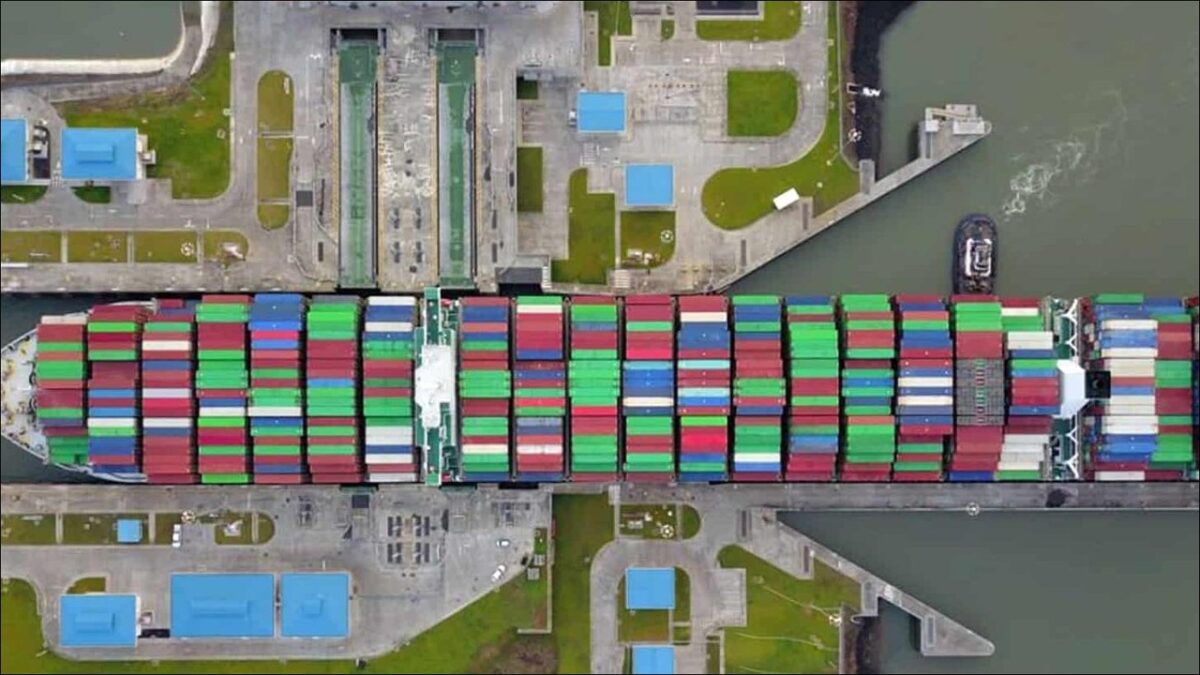
The Panama Canal stands as one of the most critical man-made waterways globally, a testament to engineering prowess that revolutionized international maritime trade. Connecting the Atlantic and Pacific Oceans, it offers a shortcut that saves thousands of miles and weeks of travel time compared to circumnavigating South America via Cape Horn. Annually, the canal facilitates the passage of approximately 6% of global trade volume, encompassing a vast array of cargo types including container ships laden with consumer goods, bulk carriers transporting grains and minerals, and LNG tankers delivering energy resources. Its strategic importance cannot be overstated, acting as a crucial nexus for global shipping routes, particularly for trade flowing between Asia and the U.S. East Coast. Any impediment to its smooth operation sends ripples throughout the entire logistics ecosystem, affecting everything from manufacturing schedules to retail availability.
The canal’s operations are heavily reliant on freshwater, which is used to fill its massive lock chambers as vessels traverse its length. This water is drawn from Gatun Lake, a vast artificial reservoir that also serves as a source of drinking water for Panama’s population. The delicate balance of this system means that fluctuations in rainfall directly translate into operational capabilities. For over a century, the canal has managed this complex hydrological system effectively, but recent climatic shifts have presented challenges on an unprecedented scale. The efficiency and reliability of this waterway have underpinned global economic models for decades, making its current predicament a matter of urgent international concern for countless businesses and national economies.
Unpacking the Core of the Panama Canal Dispute
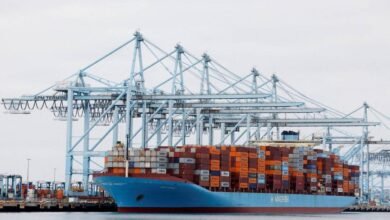
At the heart of the current Panama dispute, or more accurately, the operational challenge, lies a severe and prolonged drought. This climatic phenomenon, exacerbated by the El Niño weather pattern, has resulted in historically low water levels in Gatun Lake. Consequently, the Panama Canal Authority (ACP) has been compelled to implement a series of drastic measures to conserve water and ensure continued, albeit restricted, operation. These measures primarily involve reducing the number of daily transit slots available for vessels and imposing stringent draft restrictions, which dictate how deeply a ship can sit in the water. For larger vessels, particularly neo-Panamax ships, these draft limits mean they cannot carry their full cargo capacity, forcing them to either lighten their load or reroute entirely.
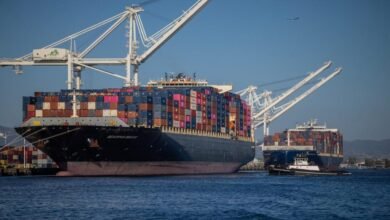
These restrictions have created significant congestion and shipping delays, with some vessels experiencing waiting times of several weeks to transit the canal. The backlog of ships, often stretching for miles on either side of the waterway, represents not just lost time but substantial financial costs for shipping lines and their clients. The impact is felt by various vessel types; while container ships often grab headlines, bulk carriers carrying essential commodities and LNG carriers critical for global energy supplies are equally, if not more, vulnerable. The very essence of the canal’s value proposition – speed and efficiency – is being directly challenged by these environmental pressures, transforming a reliable passage into a potential bottleneck for cargo movement and jeopardizing the predictability that modern supply chains demand. This situation underscores the fragile interdependence between natural resources and global commerce.
Direct Impacts: From Transit Delays to Rerouting Complexities
The most immediate and visible consequence of the Panama Canal’s operational restrictions is the proliferation of shipping delays. Vessels are now facing unprecedented waiting times, translating into significant schedule disruptions for liner services. This domino effect propagates throughout the global logistics network, delaying the delivery of raw materials, intermediate goods, and finished products to their final destinations. For industries operating on a just-in-time inventory model, these unforeseen delays can lead to production halts, stockouts, and lost sales opportunities. The financial implications are substantial, with shipping companies incurring additional fuel costs due to extended waiting periods and charterers facing penalties for delayed deliveries.
In response to the growing uncertainty and cost associated with canal transits, many shipping lines are exploring and implementing alternative trade routes. The most prominent options include rerouting vessels through the Suez Canal or around the Cape of Good Hope at the southern tip of Africa. While these routes avoid the Panama Canal’s restrictions, they come with their own set of drawbacks. Both alternatives significantly extend transit times, adding days, and in some cases, weeks, to voyages. This extended journey not only increases fuel consumption and operational costs but also raises carbon emissions, posing a challenge to sustainability goals. Furthermore, the increased traffic on alternative routes could put pressure on their own capacities, potentially leading to new bottlenecks elsewhere in the global shipping network. The decision to reroute is a complex calculation involving fuel prices, freight rates, transit times, and the urgency of the cargo.
Economic Repercussions and Broader Trade Implications
The economic fallout from the ongoing Panama Canal dispute is multi-faceted and potentially far-reaching. One of the most direct impacts is the escalation of freight costs. Shipping lines, faced with higher operational expenses from longer routes, increased fuel consumption, and transit surcharges levied by the ACP, are passing these costs onto their customers. This rise in shipping expenses contributes to higher import costs for businesses and, ultimately, to higher prices for consumers, fueling inflationary pressures across various sectors. Industries such as agriculture, energy, and retail, which rely heavily on efficient and affordable maritime trade, are particularly vulnerable to these cost increases. For example, the movement of liquified natural gas (LNG) from the U.S. Gulf Coast to Asian markets, a common Panama Canal transit, faces significant cost hikes or lengthy detours.
Beyond direct costs, the uncertainty surrounding cargo movement through such a critical choke point can lead to broader shifts in supply chain strategies. Companies may begin to re-evaluate their reliance on single-source transportation routes, prompting a move towards greater diversification and resilience. This could involve exploring nearshoring or reshoring manufacturing, investing in regional logistics hubs, or developing more robust inventory management systems that can withstand unexpected disruptions. The economic impact also extends to global commodity markets, where delays in the delivery of raw materials can cause price volatility and supply shortages. Moreover, the reliability of international trade agreements and manufacturing schedules, which often depend on precise delivery windows, can be severely undermined, potentially impacting trade relationships and overall global economic stability. The long-term implications could reshape international commercial strategies.
Industry Responses and Strategies for Resilience
In the face of the Panama dispute and its cascading effects on supply chains, various industry stakeholders are actively developing and implementing mitigation strategies. Shipping lines are employing dynamic scheduling, using predictive analytics to forecast congestion and reroute vessels proactively. Some are prioritizing high-value or time-sensitive cargo for canal transits, while others are offloading cargo at hub ports for overland transport, or using smaller ships that meet draft restrictions. The increased adoption of logistics technology, including AI-driven route optimization and real-time tracking, is becoming indispensable for managing the complexities introduced by these disruptions. Data analytics helps decision-makers weigh the costs and benefits of various options, from waiting in line to taking the longer route around continents.
Looking ahead, long-term solutions are being explored by the Panama Canal Authority itself, focusing primarily on enhancing water management infrastructure. Projects to create new reservoirs or implement advanced water-saving technologies within the lock systems are under consideration, but these require significant investment and time. For the broader global shipping industry, the current situation serves as a stark reminder of the need for greater supply chain resilience. This includes not only diversifying trade routes but also building buffer inventories, investing in robust digital infrastructure for visibility and agility, and fostering stronger collaborative relationships across the entire logistics network. The lessons learned from this particular challenge will undoubtedly influence future strategies for navigating an increasingly complex and climate-impacted global trade environment, demanding adaptability and strategic foresight from all players.
Navigating the Future of Global Maritime Trade
The Panama dispute, centered around the critical water levels of the Panama Canal, underscores a growing vulnerability within global supply chains to environmental factors. What began as a regional drought has quickly amplified into an international challenge, disrupting the seamless flow of maritime trade and impacting economies worldwide. The increased shipping delays, elevated freight costs, and the necessity of rerouting vessels are not merely temporary inconveniences but signals of a potentially more volatile future for logistics and cargo movement. As climate change continues to exert its influence, critical infrastructure like the Panama Canal will likely face ongoing pressures, demanding adaptive and innovative solutions from the international community.
For businesses, the imperative is clear: develop more resilient and diversified supply chain strategies that can withstand unpredictable shocks. This involves not only geographical diversification of trade routes but also a deeper investment in technological solutions that provide real-time visibility and agile decision-making capabilities. While the immediate focus is on managing the current bottlenecks and mitigating economic damage, the long-term outlook necessitates a fundamental rethinking of how global shipping operates. The Panama Canal remains a linchpin of world trade, and concerted efforts to ensure its long-term operational stability are paramount. Monitoring the situation, adapting to changes, and investing in sustainable logistics practices will be key to navigating the evolving landscape of international commerce and ensuring that the vital arteries of global trade remain open and efficient.