Portland Port Boosts LNG Ship-to-Ship Transfer Services | Mariner News
In a landmark development for the United Kingdom’s maritime sector, Portland Port, strategically nestled in South Dorset, has officially secured approval to conduct LNG Ship-to-Ship (STS) transfers. This significant expansion of its fuel handling capabilities marks a pivotal moment, bolstering its existing oil and LPG operations and positioning the port as a critical hub for the evolving energy needs of global shipping. The introduction of LNG STS transfer capability is not merely an operational upgrade; it represents a forward-thinking commitment to sustainable marine energy, offering crucial logistical advantages and reduced transit times for vessels seeking cleaner fuel solutions. This strategic enhancement is set to reshape maritime fuel supply chains, supporting the growing demand for liquefied natural gas as a lower-carbon alternative in the marine industry.
Powering Sustainable Shipping: Portland Port’s New LNG Transfer Hub
The maritime industry is undergoing a profound transformation, driven by increasingly stringent environmental regulations and a collective push towards decarbonization. At the forefront of this shift is the growing adoption of Liquefied Natural Gas (LNG) as a marine fuel. Recognized for its substantially lower emissions footprint compared to traditional oil-based fuels, LNG offers a compelling pathway to reduce sulphur oxides (SOx) by 99%, nitrogen oxides (NOx) by up to 85%, and particulate matter by nearly 100%. Furthermore, LNG can reduce greenhouse gas (GHG) emissions by up to 25%. Portland Port’s new LNG Ship-to-Ship transfer capability directly addresses this industry imperative, providing essential infrastructure to support the transition to cleaner energy. By facilitating efficient and safe LNG bunkering, Portland Port is actively contributing to global efforts to mitigate the environmental impact of shipping, ensuring that vessels traversing the busy English Channel and beyond have access to a reliable supply of this crucial transitional fuel.
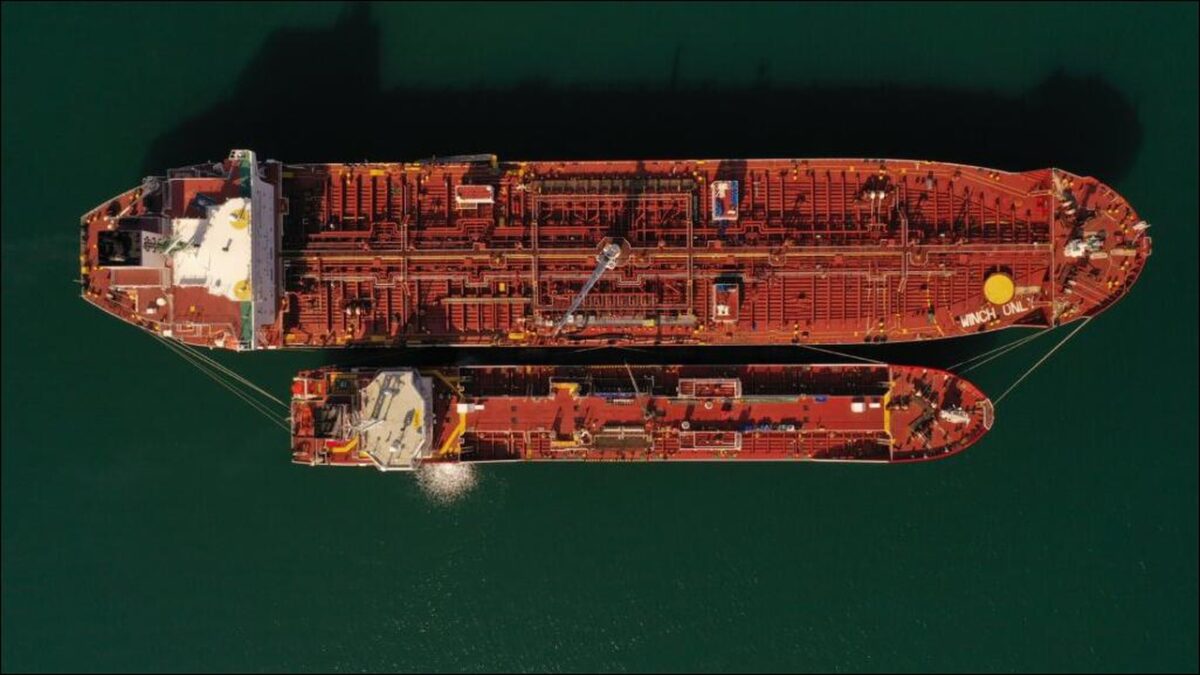
The timing of this approval, coinciding with the port’s 30th anniversary as a privately operated commercial facility, underscores its enduring adaptability and vision. For decades, Portland Port has built a robust reputation for its comprehensive fuel handling services, including intricate oil and LPG operations. Extending these capabilities to include LNG STS transfer reflects a natural progression, leveraging years of expertise in handling volatile substances under strict safety protocols. This positions Portland Port not just as a service provider but as a key enabler for shipping companies committed to meeting environmental targets and optimizing their carbon footprint. The ability to perform LNG bunkering, whether at berth or at anchor within the expansive harbour, provides unparalleled flexibility and convenience for vessel operators, minimizing diversions and maximizing operational efficiency.
Strategic Advantage: Enhancing Maritime Efficiency and Supply Chains
Portland Port’s geographical advantage, situated a mere 20 miles north of the world’s busiest shipping lanes in the English Channel, makes it an ideal location for an LNG Ship-to-Ship transfer hub. This strategic positioning means that vessels can access essential bunkering services without significant deviation from their primary routes, leading to substantial reductions in transit times and fuel consumption. The operational efficiency gained from this new service cannot be overstated. In a highly competitive global shipping market, every hour saved and every logistical advantage secured translates directly into cost savings and enhanced competitiveness for shipping lines. The port’s well-established record in licensed and fully compliant STS transfer operations provides a strong foundation for the secure and reliable handling of LNG, an aspect of paramount importance for the maritime industry.
Beyond just fuel supply, the introduction of LNG STS transfer services at Portland Port strengthens the resilience of the entire marine energy supply chain. It provides an additional, strategically located point of access for LNG fuel, reducing reliance on a limited number of bunkering hubs and offering greater flexibility in an increasingly complex logistical landscape. This diversification of supply options is crucial for securing the energy needs of the growing fleet of LNG-powered vessels. The port’s commitment to adhering to rigorous international and local regulations ensures that all LNG STS transfers are conducted with the highest standards of safety and environmental protection. This meticulous approach is vital for building trust within the maritime community and reinforcing Portland Port’s standing as a reliable and responsible partner in marine energy provision.
Navigating the Future: Portland Port’s Role in the Energy Transition
The global energy transition demands innovative solutions and robust infrastructure, and Portland Port is actively stepping up to this challenge. LNG, while a fossil fuel, is widely recognized as a crucial bridging fuel on the journey towards zero-emission shipping. Its immediate benefits in reducing harmful air pollutants and greenhouse gas emissions provide a practical and accessible step for the industry to decarbonize while cleaner, alternative fuels like ammonia and hydrogen mature. By investing in LNG Ship-to-Ship transfer capability, Portland Port is not only addressing current market demands but also future-proofing its services, aligning with the long-term trajectory of the maritime energy landscape.
Ian McQuade, commercial director at Portland Port, emphasized the collaborative spirit driving this initiative, stating their hope “to work closely with customers to support their commercial and operational objectives.” This customer-centric approach is fundamental to the port’s strategy, aiming to provide tailored solutions that meet the specific needs of diverse shipping operators. The new LNG bunkering services will attract a wider array of vessels, from large container ships and tankers to ferries and cruise liners, all seeking efficient and environmentally responsible fuel options. This expansion will undoubtedly bolster Portland Port’s economic contributions to the local South Dorset region and further solidify the UK’s position as a leader in innovative maritime services, playing a vital role in the global shift towards greener shipping practices.
Commitment to Excellence: Safety, Compliance, and Customer Focus
Operating an LNG Ship-to-Ship transfer facility requires an unwavering commitment to the highest safety and regulatory standards. Portland Port and its harbour authority have a well-established track record of ensuring that strict regulations are met for all fuel bunkering operations, whether alongside a vessel or at anchorage. This dedication extends fully to the new LNG services, with robust protocols in place to manage the inherent complexities and risks associated with handling liquefied natural gas. The port’s experienced teams are trained to execute these intricate transfers with precision, minimizing any potential environmental impact and ensuring the safety of personnel and assets.
The port’s comprehensive approach to compliance not only meets but often exceeds industry best practices, instilling confidence in shipping companies and regulatory bodies alike. This commitment to operational excellence is a cornerstone of Portland Port’s long-standing success. The integration of LNG STS transfer capabilities is a testament to their proactive vision, anticipating market needs and investing in the infrastructure and expertise required to support them. By providing a secure, compliant, and efficient LNG bunkering service, Portland Port is not just offering a new capability; it is delivering peace of mind and operational advantage to its global maritime clientele.
The addition of LNG Ship-to-Ship transfer capability at Portland Port marks a significant milestone, reinforcing its strategic importance in the global maritime fuel supply chain. This move not only enhances the port’s service offerings but also solidifies its role in advancing sustainable marine energy solutions. With its advantageous location, proven operational excellence, and steadfast commitment to safety and efficiency, Portland Port is poised to become an indispensable asset for shipping companies navigating the complexities of the energy transition, ensuring a cleaner, more efficient future for the world’s oceans.