Navigator Gas Sells Eight Vessels, Exits Unigas Pool | Mariner News
Navigator Gas, a leading owner and operator of Handysize liquefied gas carriers, has recently announced a significant strategic pivot set to reshape its operational landscape. In a move underscoring a clear intent towards fleet optimization and strategic repositioning within the global gas shipping sector, Navigator Gas confirms the sale of eight of its vessels. This substantial divestment is coupled with the company’s decision to withdraw from the Unigas pool, a long-standing collaborative venture in the transportation of petrochemical gases and LPG. This dual announcement marks a critical juncture for the company, signaling a renewed focus on its core strengths and a recalibration of its presence in the highly competitive gas transport market.
The sale of these Handysize LPG carriers is not merely a transactional event but rather a deliberate step by Navigator Gas to streamline its fleet, enhance financial flexibility, and concentrate on segments offering promising long-term growth. The withdrawal from the Unigas pool further solidifies this strategic shift, indicating Navigator Gas’s intent to operate with greater autonomy and direct control over its commercial endeavors. This article delves into the ramifications of these pivotal decisions, exploring what they signify for Navigator Gas, its stakeholders, and the broader liquefied gas shipping industry.
Strategic Divestment: Unpacking the Eight-Ship Sale
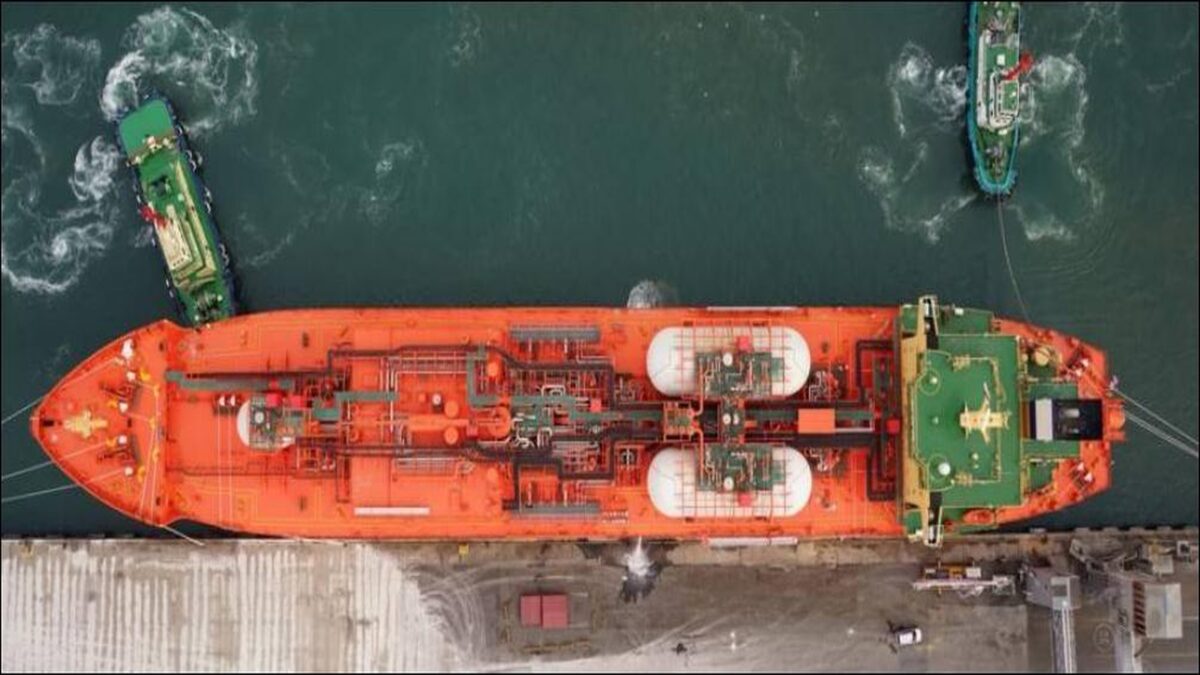
The decision by Navigator Gas to sell eight of its vessels represents a significant undertaking in the current maritime environment. While specific details regarding the buyer or financial terms were not immediately fully disclosed, the scale of the divestment indicates a profound re-evaluation of the company’s asset base. These Handysize gas carriers, integral to Navigator Gas’s operations, are typically deployed for transporting petrochemical gases like ethylene, ethane, and propylene, alongside traditional LPG.
The sale is likely a strategic effort to refresh the fleet, focusing on newer, more technologically advanced, or larger capacity vessels that align with future market demands and environmental regulations. Such a move frees up significant capital, which can be reinvested into other business areas, such as newbuild projects or strategic acquisitions. This proactive approach to asset management allows Navigator Gas to capitalize on market conditions for favorable exit strategies for older tonnage.
Fleet restructuring is common in the cyclical shipping industry, enabling adaptation to evolving trade patterns, fuel efficiency, and supply-demand dynamics for gas transportation. For Navigator Gas, this divestment reinforces its commitment to maintaining a modern, efficient, and commercially viable fleet. It positions the company to better navigate international trade complexities and environmental compliance, ensuring long-term sustainability and competitiveness in the gas shipping segment. This bold step in fleet rationalization is expected to enhance operational synergies and improve overall economic performance.
Exiting the Unigas Pool: A Shift in Commercial Strategy
Equally significant to the vessel sales is Navigator Gas’s decision to withdraw from the Unigas pool. This pool has historically been a cooperative venture among owners, designed to optimize the deployment and commercial management of a fleet of gas carriers. Such pools achieve economies of scale, reduce operational complexities, and enhance market reach by combining fleets. Navigator Gas contributed a substantial portion of its Handysize LPG carriers to the pool’s operations for years.
The decision to exit this collaborative framework signals a fundamental shift in Navigator Gas’s commercial strategy, indicating a desire for greater independence and direct control over its remaining and future fleet. While pools offer shared risk and optimized scheduling, they also involve compromises on individual commercial autonomy. By withdrawing, Navigator Gas aims to pursue distinct market strategies, potentially targeting high-value contracts or routes for superior independent commercial returns.
This move reflects an internal assessment of the pool’s efficacy in meeting Navigator Gas’s evolving strategic objectives, particularly as the company refines its focus on specific gas transport segments. The withdrawal will impact the Unigas pool, requiring adjustments in its fleet and operational planning. For Navigator Gas, it represents an opportunity to forge a more agile, directly controlled commercial apparatus, responding swiftly to global gas shipping demand fluctuations. This strategic recalibration aims at maximizing shareholder value and consolidating its market position in specialized gas transportation.
Fleet Optimization and Future Growth Trajectory
The sale of eight vessels and departure from the Unigas pool are intrinsically linked to Navigator Gas’s broader vision for fleet optimization and future growth. These actions articulate the company’s commitment to refining its asset base and operational model for the dynamic gas carrier market. By divesting older or less strategically aligned assets, Navigator Gas focuses resources on its remaining, often newer and more efficient, vessels.
This refinement allows investment in cutting-edge technologies that improve fuel efficiency, reduce emissions, and enhance operational safety. Such investments are crucial in an industry scrutinized for its environmental footprint and subject to stringent regulations. Capital from vessel sales could also fuel newbuild projects, potentially involving dual-fuel vessels or those designed for emerging energy transition cargoes, though LPG and petrochemicals remain core.
This approach positions Navigator Gas to adapt to the evolving energy landscape and maintain its competitive edge in specialized gas transport. Taking full control of commercial operations post-Unigas pool withdrawal gives Navigator Gas flexibility to pursue tailored chartering strategies. This autonomy enables stronger direct client relationships, bespoke shipping solutions, and potentially higher rates by leveraging its specialized fleet and experienced teams. This realignment is about qualitative enhancement and future-proofing the business, building a more resilient, responsive, and profitable shipping enterprise capable of sustained growth in the global Handysize gas carrier market and ensuring a robust position in gas transportation.
Implications for the Global Gas Shipping Market
Navigator Gas’s significant strategic moves are bound to send ripples throughout the global gas shipping market. The sale of eight Handysize LPG carriers, while a small fraction of the global fleet, could have localized impacts on specific trade routes or segments, particularly if redeployed into different geographical areas. This transaction signals a potential shift in asset ownership within the specialized gas transportation sector, influencing vessel valuations and market liquidity.
Other market participants will closely observe how these vessels are integrated into new fleets or how their absence affects Handysize gas carrier operations. The withdrawal from the Unigas pool also carries significant implications. Unigas is a well-established entity, and Navigator Gas’s departure will alter its overall fleet size and composition, potentially necessitating adjustments in the pool’s operational strategies or leading to new partnerships.
Competitors will closely watch Navigator Gas’s independent chartering approach, as it could introduce a new dynamic in rate negotiations and contract structures. For the broader market, these strategic decisions by a prominent player like Navigator Gas underscore the ongoing evolution and consolidation within the maritime industry. It highlights the constant need for shipping companies to adapt to macroeconomic shifts, technological advancements, and regulatory pressures. Such movements by key players serve as important indicators of market sentiment and future investment trends in liquefied gas transport, suggesting owners actively seek to optimize operations, enhance profitability, and secure a sustainable future.
Conclusion
In conclusion, Navigator Gas’s recent announcement to sell eight Handysize gas carriers and withdraw from the Unigas pool represents a bold and calculated strategic maneuver. These decisive actions are clearly aimed at comprehensive fleet optimization and repositioning within the fiercely competitive global gas shipping market. By shedding non-core assets and reclaiming full commercial autonomy, Navigator Gas is embarking on a path designed to enhance operational efficiency, strengthen its financial position, and foster long-term growth.
The company’s commitment to a modern, efficient, and strategically aligned fleet is evident, paving the way for targeted investments and a more agile response to market demands. While these changes will undoubtedly prompt adjustments within both Navigator Gas and the wider gas transportation sector, they ultimately underscore a proactive vision for sustained success. As Navigator Gas charts its independent course, its journey will be closely watched by industry observers eager to understand the full implications of this significant strategic recalibration for the future of specialized liquefied gas shipping. This strategic shift not only impacts Navigator Gas’s immediate operational footprint but also contributes to the broader narrative of evolution and adaptation within the global maritime industry, particularly in the vital segment of gas carriers.