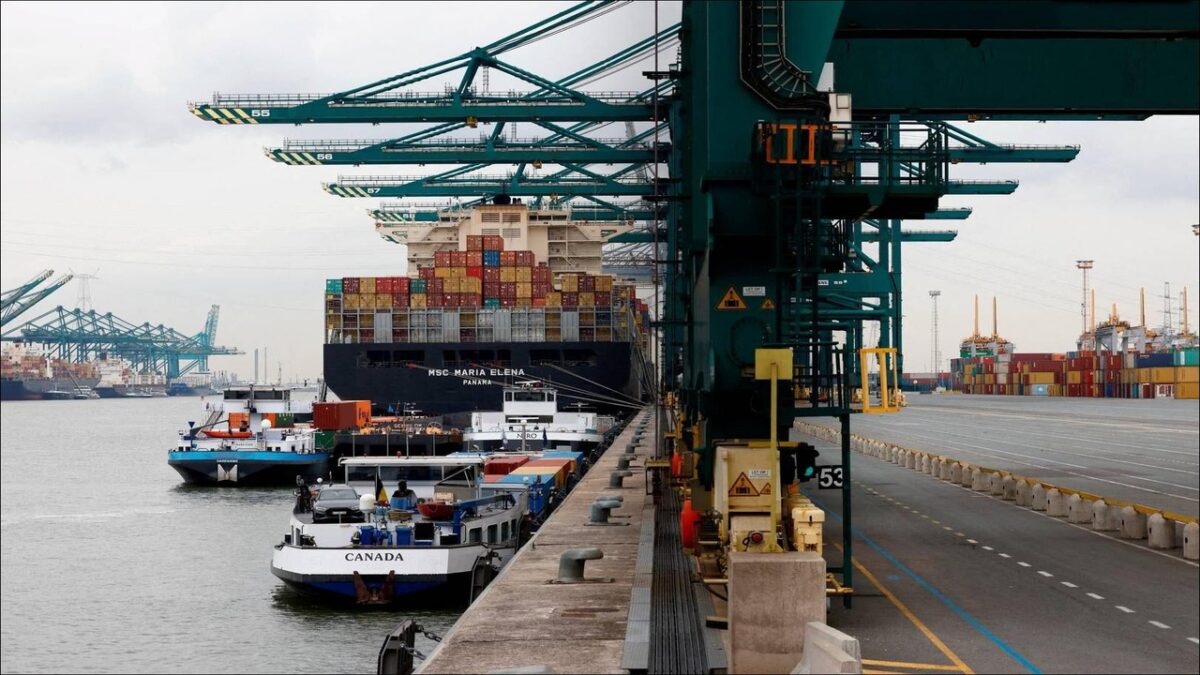
Port of Antwerp Q1 Volumes Decline Despite March Uptick | Mariner News
The Port of Antwerp-Bruges, a pivotal gateway for European trade, experienced a notable dip in its overall Port of Antwerp cargo volumes during the first quarter of 2024, despite witnessing a glimmer of recovery with an uptick in March. This performance reflects a complex interplay of global economic headwinds, evolving geopolitical landscapes, and persistent supply chain challenges that continue to shape the maritime industry. While the port remains a critical node in global logistics, its Q1 figures underscore the volatility and resilience required from major shipping hubs in the current economic climate. Understanding these trends is crucial for stakeholders across the maritime value chain, from carriers and logistics providers to port authorities and policymakers, as they navigate an unpredictable future. This period highlights the dynamic nature of international trade and the continuous need for adaptability within the world’s leading ports.
Analyzing the Q1 Performance of Antwerp-Bruges
The consolidated Port of Antwerp-Bruges reported a total throughput of 65.7 million tonnes in the first three months of 2024, marking a 1.9% decrease compared to the same period last year. This marginal decline, while not as steep as some might have predicted, still signals a cautious start to the year for one of Europe’s largest ports. The reduction in Antwerp’s port throughput was not uniform across all cargo segments, indicating specific areas of pressure within the global trade ecosystem. A deeper dive into the numbers reveals varied fortunes for different types of goods, painting a detailed picture of demand and supply shifts. For instance, while certain segments faced headwinds, others demonstrated robust performance, suggesting a rebalancing of trade flows and industrial activities.
Container traffic, a key indicator of global economic health and consumer demand, saw a decrease of 1.3% in TEUs (Twenty-foot Equivalent Units) and a 0.8% reduction in tonnage during Q1. This decline in container handling at the Port of Antwerp-Bruges mirrors broader trends observed in many major container ports worldwide, impacted by inflation, geopolitical tensions, and shifts in manufacturing. The reduction in container volumes points to a cautious consumer spending environment and a reevaluation of inventory levels by businesses. Despite this dip, the port’s strategic investments in container infrastructure and digital solutions aim to maintain its competitive edge and prepare for future growth cycles. The port is actively working to optimize its operational efficiency to handle larger vessels and increased traffic when market conditions improve.
Conversely, conventional breakbulk, which includes steel, plywood, and fruit, experienced a significant 13.9% drop in tonnage, reflecting challenges in specific industrial sectors and a slowdown in construction and manufacturing in key markets. The steel segment, in particular, faced considerable pressure due to reduced demand and increased competition. This segment’s performance is often tied closely to industrial production and construction activity, sectors that have faced considerable economic slowdowns recently. Similarly, dry bulk cargo saw an overall decline of 9.9%, primarily due to reduced coal and iron ore imports, as European industries adjust to new energy policies and raw material sourcing strategies. However, fertilisers showed a positive trend, offering a slight counterbalance.
Liquid bulk, an important segment for the port, maintained a relatively stable performance with a slight 0.5% increase. This stability was driven by higher throughput of oil derivatives and certain chemicals, offsetting decreases in crude oil and other products. The resilience in the liquid bulk sector highlights the diversified nature of the port’s operations and its ability to adapt to varying market demands across different commodity groups. The chemical industry, with its complex supply chains and specialized handling requirements, continues to be a strong pillar for the port, benefiting from its strategic location and advanced infrastructure. This segment often demonstrates less volatility than others due to continuous industrial processes.
The Significance of the March Uptick
While the overall Q1 figures for Port of Antwerp’s freight volumes showed a decline, the port authorities highlighted a crucial positive: a notable increase in throughput during March. This monthly uptick provides a vital indicator that the market might be starting to stabilize and potentially recover after a period of uncertainty. A single month’s positive data doesn’t signify a full recovery, but it offers a much-needed signal of potential re-acceleration in trade activity, suggesting that some of the earlier pressures might be easing. This improvement could be attributed to various factors, including an increase in global manufacturing output, restocking efforts by businesses, or a slight rebound in consumer confidence following prolonged periods of caution.
The March surge could also reflect a seasonal adjustment or a temporary surge in demand ahead of anticipated economic shifts. It’s important to contextualize this improvement within the broader economic landscape. For instance, if manufacturing activity in key Asian economies picks up, this would naturally lead to an increase in container shipments destined for European markets via hubs like Antwerp-Bruges. The port’s ability to handle this increased traffic efficiently underscores its operational readiness and strategic capacity planning. This positive monthly trend offers a glimmer of hope that the trough of the market downturn might be behind us, at least for some segments, potentially setting the stage for a stronger second quarter.
Global Economic Headwinds and Maritime Trade
The decline in Antwerp’s cargo throughput during the initial quarter is largely a symptom of wider global economic challenges. Persistent high inflation in major economies, aggressive interest rate hikes by central banks, and geopolitical conflicts continue to suppress consumer demand and industrial production worldwide. These factors create a domino effect, leading to reduced international trade and, consequently, lower cargo volumes at major shipping hubs. Businesses are becoming more conservative with their supply chain strategies, opting for smaller, more frequent orders rather than large bulk shipments, which impacts port efficiency and volume metrics. The energy crisis in Europe has also played a role, impacting industrial output and raw material imports.
Furthermore, ongoing supply chain disruptions, though less severe than during the pandemic peak, still contribute to market volatility. Labour shortages, infrastructure bottlenecks, and unexpected events can still cause delays and re-routings, influencing the predictability and reliability of maritime logistics. The re-routing of vessels due to geopolitical tensions in critical shipping lanes further adds to transit times and costs, impacting global trade flows. These external pressures make it challenging for ports to maintain consistent growth, necessitating constant adaptation and strategic foresight. The reliance on diversified trade partners and robust digital infrastructure is becoming increasingly vital for sustained performance.
Anticipating Future Trends for Port Operations
Looking ahead, the Port of Antwerp-Bruges, like other global maritime hubs, faces a dynamic environment requiring strategic adjustments. The March uptick offers a hopeful sign, but sustained recovery will depend on a broader improvement in global economic conditions and stability. Investment in resilient infrastructure, digital transformation, and sustainable practices will be critical for maintaining competitiveness and attracting future trade flows. The port’s focus on diversifying its cargo portfolio and enhancing its intermodal connectivity will also be key to mitigating risks associated with reliance on specific trade lanes or commodity types. Efforts to improve efficiency and reduce dwell times for cargo will also enhance its appeal to shipping lines.
Moreover, the push towards decarbonization within the shipping industry presents both challenges and opportunities for ports. As stricter environmental regulations come into effect, ports that can offer greener fuel alternatives, shore power, and efficient green logistics solutions will gain a significant advantage. The Port of Antwerp-Bruges has been proactive in this area, investing in hydrogen infrastructure and sustainable energy projects, positioning itself as a leader in the energy transition. This forward-thinking approach will not only attract environmentally conscious carriers but also future-proof the port against evolving regulatory landscapes. Collaborations with industry partners and government bodies will be essential to drive these ambitious sustainability goals forward and maintain the port’s leading position.
Strategic Responses and Resilience in Shipping
In response to fluctuating Antwerp port statistics, the port authority continues to implement strategic initiatives aimed at bolstering its resilience and optimizing operations. These initiatives include investments in automation and digitalization to improve efficiency, enhance security, and streamline customs processes. By embracing cutting-edge technology, the port aims to reduce bottlenecks, accelerate cargo turnaround times, and provide more transparent and predictable services to its customers. The development of advanced data analytics capabilities helps in forecasting trends and making informed decisions, crucial for navigating uncertain market conditions.
Furthermore, strengthening collaborations with logistics partners, shipping lines, and industrial stakeholders is paramount. By fostering a collaborative ecosystem, the Port of Antwerp-Bruges can collectively address challenges, share best practices, and develop innovative solutions that benefit the entire supply chain. This integrated approach ensures that the port remains agile and responsive to market demands, reinforcing its role as a vital link in global trade. The emphasis on customer-centric services and continuous improvement initiatives ensures that the port adapts to evolving client needs and maintains its competitive edge in a highly dynamic global shipping landscape. These robust strategies are fundamental to the port’s long-term success and ability to weather future economic storms.
Despite the Q1 decline in Port of Antwerp’s volumes, the March uptick offers a vital sign of potential recovery and demonstrates the inherent resilience of this major European maritime hub. The challenges faced are reflective of broader global economic conditions, yet the port’s strategic investments in infrastructure, digitalization, and sustainability position it well for future growth. As global trade navigates through a period of transition, the Port of Antwerp-Bruges continues to adapt, innovate, and reinforce its critical role in connecting Europe to the world. Its ability to absorb shocks and find growth points within volatile markets underscores its importance as a barometer for the health of the international shipping industry and a testament to its enduring strategic value.