DP World Sells Ukraine Terminal Stake, Exits Region | Mariner News
In a significant move reshaping the global logistics landscape, DP World exits Ukraine after successfully divesting its stake in a major container terminal located in the country. This strategic decision by the Dubai-based port operator and logistics giant signals a complete withdrawal from the Ukrainian market, a development closely watched by industry analysts and maritime stakeholders. The sale underscores the complex challenges and evolving geopolitical realities impacting international trade and port operations in volatile regions. For DP World, a global leader in supply chain solutions, this divestment represents a recalibration of its portfolio amidst ongoing operational considerations and strategic priorities. The implications extend beyond a single transaction, touching upon the future of Ukrainian port infrastructure and the broader dynamics of the Black Sea maritime industry.
The Strategic Divestment: DP World’s Ukraine Exit Explained
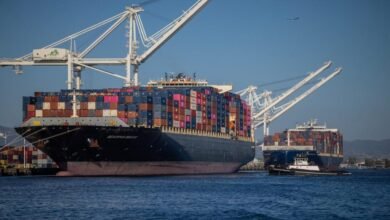
DP World’s decision to sell its stake in the TIS Container Terminal, situated near Odesa, marks a pivotal moment for both the company and Ukraine’s port sector. While specific details about the buyer and the financial terms of the deal were not immediately made public, the transaction effectively concludes DP World’s operational presence in the war-torn nation. This withdrawal is not an isolated event but rather a calculated strategic move by one of the world’s largest port operators. The TIS Container Terminal, a key asset in Ukraine’s maritime logistics network, has faced significant operational hurdles since the onset of the conflict, impacting its throughput and overall viability for international operators.
For years, DP World had been a significant player in the Ukrainian logistics market, investing in and operating the container terminal as a vital gateway for cargo. Its departure reflects a broader trend among international businesses reassessing their exposure to regions affected by geopolitical instability. The focus for DP World now shifts towards consolidating its investments in more stable and high-growth markets, aligning with its long-term vision of enhancing global trade facilitation. This divestment strategy, while impactful for Ukraine, is consistent with a company committed to optimizing its vast network of ports and logistics hubs across six continents.
Understanding TIS Container Terminal’s Significance
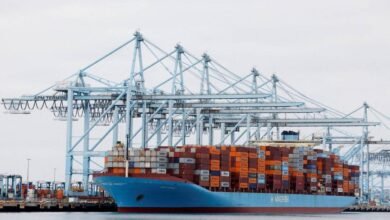
Located in the port of Pivdennyi (formerly Yuzhny), just east of Odesa, the TIS Container Terminal has long been a cornerstone of Ukraine’s export and import capabilities. It stands as one of the largest and most technologically advanced container facilities in the Black Sea region, playing a crucial role in connecting Ukraine to global trade routes. Its deep-water berths and modern infrastructure allowed it to handle a substantial volume of containerized cargo, serving as a critical artery for the nation’s economy. Prior to the conflict, DP World’s involvement brought international best practices in terminal management and operational efficiency, significantly boosting the terminal’s capacity and competitiveness.
For Ukraine, the TIS Container Terminal has been more than just a port facility; it has been a symbol of economic integration and a crucial gateway for its agricultural and industrial exports, as well as essential imports. The terminal’s strategic location near major rail and road networks further solidified its importance as a multimodal logistics hub. The operational challenges stemming from the conflict, including blockade attempts and security concerns in the Black Sea, severely disrupted its normal functioning, highlighting the fragility of supply chains in conflict areas. Despite these challenges, the terminal’s inherent capacity and strategic position remain vital for Ukraine’s future economic recovery and trade aspirations.
Geopolitical Landscape and Maritime Industry Impact
The ongoing conflict in Ukraine has dramatically reshaped the maritime industry, particularly in the Black Sea region. Shipping routes have been re-evaluated, insurance premiums have skyrocketed, and port operations have faced unprecedented risks. DP World’s exit is a direct reflection of these heightened risks and the immense operational complexities associated with maintaining a significant asset in a war zone. The disruption of Black Sea shipping has forced global supply chains to adapt, leading to increased transit times, higher costs, and a search for alternative routes and modes of transport.
This situation underscores the intricate relationship between geopolitics and global trade. Major port operators like DP World must constantly assess their risk exposure and make difficult decisions to protect their investments and ensure the stability of their broader network. The ripple effect of such withdrawals can be felt throughout the maritime ecosystem, influencing freight rates, vessel deployment, and investment decisions in adjacent regions. The Black Sea, once a bustling corridor for trade, now presents a challenging environment that demands extreme caution and strategic foresight from all players in the global logistics arena.
Future Outlook for Ukraine’s Port Infrastructure
The departure of a major international operator like DP World raises questions about the immediate future of the TIS Container Terminal and Ukraine’s broader port infrastructure. While the sale ensures continued operation under new ownership, it highlights the pressing need for long-term investment and stability. Ukraine’s ability to attract new foreign direct investment into its critical infrastructure, especially its ports, will be crucial for its post-conflict economic recovery. Rebuilding and enhancing its maritime capabilities will be paramount for restoring trade volumes and re-establishing its position in global supply chains.
Efforts by Ukraine to create safe maritime corridors, despite ongoing hostilities, demonstrate its commitment to keeping its trade channels open. The future success of the TIS Container Terminal and other Ukrainian ports will hinge on several factors: the security situation in the Black Sea, international support for reconstruction efforts, and the ability of the new owners to navigate the complex operational and logistical challenges. The resilience of Ukraine’s port workers and management will also play a key role in ensuring these vital trade gateways continue to function and contribute to the nation’s economic lifeline. This shift creates both challenges and opportunities for domestic and regional players to step up and assume a greater role in managing Ukraine’s critical port assets.
DP World’s Evolving Global Strategy
DP World’s divestment in Ukraine should be viewed within the context of its overarching global strategy, which emphasizes agility, efficiency, and resilience. As a company with a vast portfolio of ports, terminals, and logistics operations worldwide, DP World continuously evaluates its assets to ensure alignment with its strategic objectives and risk appetite. The company has been actively involved in expanding its presence in emerging markets, investing in smart logistics solutions, and leveraging technology to optimize global supply chains. This strategic shift away from Ukraine allows DP World to reallocate resources to areas with greater growth potential and lower geopolitical risk.
Focusing on core markets and diversifying its global footprint remains central to DP World’s long-term vision. This includes significant investments in digital transformation, sustainable logistics, and integrated supply chain services that offer end-to-end solutions for customers. The decision to exit the Ukrainian container terminal is a pragmatic one, reflecting a disciplined approach to capital allocation and risk management in an increasingly complex global trade environment. It underscores the company’s commitment to maintaining a robust and adaptable network capable of navigating future disruptions, ensuring its position as a leading global port operator and logistics provider.
The departure of DP World from its Ukrainian port operations marks a significant chapter in the ongoing narrative of how geopolitical events shape the global logistics and maritime industry. While the immediate impact on Ukraine’s container terminal operations will be managed by new ownership, the broader implications for international investment in conflict zones remain a crucial lesson. For DP World, this strategic divestment reinforces its commitment to adapting its global portfolio to prevailing market conditions and risk profiles, prioritizing the long-term sustainability and growth of its extensive worldwide network. As the global supply chain continues to evolve, such strategic recalibrations will likely become more common, reflecting the dynamic nature of international trade and investment in a complex world.