UAE Leaves OPEC: Impact on Oil Production & Global Markets | Mariner News
The United Arab Emirates (UAE) is set to embark on a momentous new chapter in the global energy sphere, officially withdrawing from the Organization of the Petroleum Exporting Countries (OPEC) and its expanded OPEC+ alliance. This pivotal decision, reported by state news agency WAM and effective May 1, marks a significant shift for one of the Middle East’s leading oil producers. After nearly six decades of membership, the UAE’s move signals an independent direction for its oil policy, with profound implications for international crude oil supply, market dynamics, and global energy prices. Analysts are closely scrutinizing this development, eager to understand the full ramifications of the UAE’s independent stance on its future oil production.
This departure is not merely symbolic; it represents a calculated strategic realignment. Following a comprehensive review of its existing and future production capacities, the nation states the decision is rooted in national interest, aiming to more effectively contribute to meeting pressing global energy needs. By shedding OPEC production quotas, the UAE positions itself to potentially increase its crude oil output, pursuing a larger market share. This newfound autonomy promises to reshape its engagement with economies dependent on stable energy supplies, influencing global supply chains and maritime crude oil movements.
For the maritime sector, particularly the tanker industry, this development carries significant weight. Changes in oil production policies directly influence shipping routes, tanker demand, and bunker fuel markets. A potential increase in UAE oil exports could lead to heightened demand for very large crude carriers (VLCCs) and Suezmax tankers, affecting freight rates and the broader shipping economy. The decision also prompts discussions around future oil supply stability, amidst regional volatilities in the Arabian Gulf and the Strait of Hormuz, crucial chokepoints for global oil trade.
A New Chapter: UAE’s Independent Oil Policy
The UAE’s exit from OPEC marks a pivotal moment, underscoring its ambition to chart an independent path in managing vast hydrocarbon resources. With a daily production capacity around 4 million barrels, the Emirates is a formidable force. This strategic move liberates the nation from OPEC’s collective production ceilings, enabling unilateral determination of output levels. Such flexibility allows the UAE to aggressively pursue market share objectives, responding directly to global demand fluctuations without consensus from other cartel members.
This shift is driven by an astute understanding of current and future global energy demand trends. While short-term market volatility, often exacerbated by geopolitical tensions and supply disruptions in critical maritime passages like the Strait of Hormuz, remains a concern, the UAE’s long-term outlook anticipates sustained growth in worldwide energy consumption. By opting out of OPEC’s quota system, the UAE aims to optimize its significant production potential to meet this demand, ensuring continued relevance and influence.
The ramifications of this policy pivot extend to the UAE’s broader economic diversification strategy. While oil remains foundational, the nation actively invests in non-oil sectors and renewable energy. Autonomously managing oil revenues, unburdened by external production mandates, provides greater financial latitude to accelerate diversification efforts, bolstering economic resilience. This enables more dynamic capital allocation into innovation, technology, and sustainable development projects.
Unpacking the Reasons: National Interest and Market Responsiveness
The official WAM communiqué clearly articulates the core rationale: it follows a “comprehensive review of the UAE’s production policy and its current and future capacity” and is “based on our national interest and our commitment to contributing effectively to meeting the market’s pressing needs.” This highlights a proactive approach, prioritizing sovereign economic agenda and perceived responsibility to global energy security over multilateral production frameworks. The underlying message conveys self-determination and a desire to maximize national resource potential.
For decades, OPEC’s primary function was to stabilize oil markets via supply management, often through production cuts to buoy crude oil prices. However, the UAE, with robust infrastructure and substantial reserves, likely felt increasingly constrained when its national interest dictated higher output. Exiting reflects a strategic calculation: the benefits of independent action—capitalizing on market opportunities and securing long-term contracts for significant crude oil exports—outweigh cartel membership advantages, especially as energy security becomes paramount.
Furthermore, the evolving geopolitical landscape and increasing competition among major oil producers contribute to this recalibration. In an era of energy transition discussions, yet strong demand for conventional fuels, oil-producing nations focus on securing long-term market positions. The UAE’s move signals readiness to compete more vigorously for market share, leveraging competitive advantages in production efficiency and quality. This aggressive stance directly responds to anticipated sustained growth in global energy demand.
Global Market Implications: Oil Prices, Supply Dynamics, and OPEC’s Future
The UAE’s departure from OPEC is poised to send ripples across the global oil market, potentially influencing crude oil prices and supply dynamics. While immediate impact might be speculative, long-term implications could be significant. A key market concern is whether the UAE will substantially ramp up production. If so, and other major producers don’t adjust, it could lead to an oversupply, pressuring oil prices downwards. Conversely, if markets perceive this as fragmentation within major oil blocs, new layers of volatility could emerge.
The decision also questions OPEC’s future cohesion and efficacy. The organization historically wielded considerable power. The exit of a significant member like the UAE, with substantial production capacity, could weaken OPEC’s collective bargaining power and its ability to enforce quotas. This might prompt other nations to reassess commitments, potentially leading to further shifts in global oil governance. The departure could also set a precedent for other nations considering independent paths.
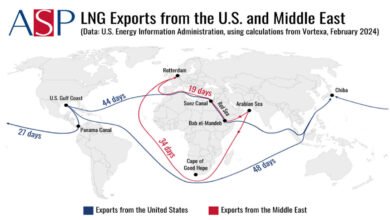
Geopolitical factors, particularly disruptions in the Arabian Gulf and the Strait of Hormuz, remain critical. These chokepoints are vital for Middle Eastern oil transit. The UAE’s independent policy could offer more flexibility in navigating regional challenges. However, any increased output still relies on safe passage through these waterways, underscoring oil supply’s interconnectedness with regional stability. The broader energy market will closely monitor how this move affects regional alliances and supply chain resilience.
Maritime Sector and Energy Logistics: Adapting to Change
For the international maritime industry, specifically the crude oil tanker segment, the UAE’s decision has direct and substantial implications. Increased UAE oil production and exports would naturally translate into higher demand for tankers, from Aframaxes to VLCCs, to transport this additional crude to consuming nations. This surge could positively impact freight rates, provide more employment for tanker fleets, and influence investment decisions in new vessel builds. Shipping companies will adapt strategies to capitalize on new trade flows from the UAE.
Beyond crude oil transportation, ripple effects could extend to the bunker fuel market. As a major bunkering hub, the UAE’s oil policy adjustments might affect marine fuel availability and pricing in its ports. Stable and competitive bunker prices are crucial for shipping lines, impacting operational costs and route planning. Furthermore, changes in global crude oil supply dynamics can influence refinery output, affecting the availability of various marine fuel grades.
The strategic importance of the Strait of Hormuz, already critical, will be further highlighted. As the UAE aims to increase oil exports, ensuring uninterrupted tanker flow through this strait becomes even more paramount. Perceived increased risk or actual disruptions could lead to higher insurance premiums for vessels, extended transit times, and potentially rerouting, all adding complexity and cost to global energy logistics. The maritime industry, therefore, stands at the forefront of managing physical transportation challenges stemming from these geopolitical and economic shifts.
Conclusion: Navigating Future Energy Dynamics and the UAE’s Strategic Vision
The UAE’s decision to leave OPEC marks a profound turning point, aligning with its long-term vision for economic prosperity and energy market influence. This move positions the nation to maximize returns from its hydrocarbon assets, investing these revenues into ambitious economic diversification and advanced green technologies. While global demand for conventional crude oil is expected to remain robust for decades, the UAE aims to optimize its market share during this transition, ensuring sustained relevance and economic resilience.
This strategic pivot may also influence investment flows into the UAE’s energy sector. Greater autonomy over production decisions allows for more predictable and potentially higher returns for international investors. This could attract foreign direct investment into exploration, production, and infrastructure development, enhancing capacity and technological capabilities. Such investments are crucial for sustaining high levels of output and maintaining a competitive edge in a global market.
Ultimately, the UAE’s departure is more than an internal policy adjustment; it is a seismic shift with far-reaching implications for global oil markets, international relations, and the future of energy governance. As the UAE embarks on this independent journey, the world will closely observe how this move reshapes oil supply, impacts prices, and influences other oil-producing nations’ strategies. For the maritime sector, it signals potential shifts in trade routes and tanker demand, emphasizing shipping’s critical role in delivering the world’s energy resources. This development underscores the ongoing evolution of the global energy landscape and the continuous quest for national economic optimization and market influence.