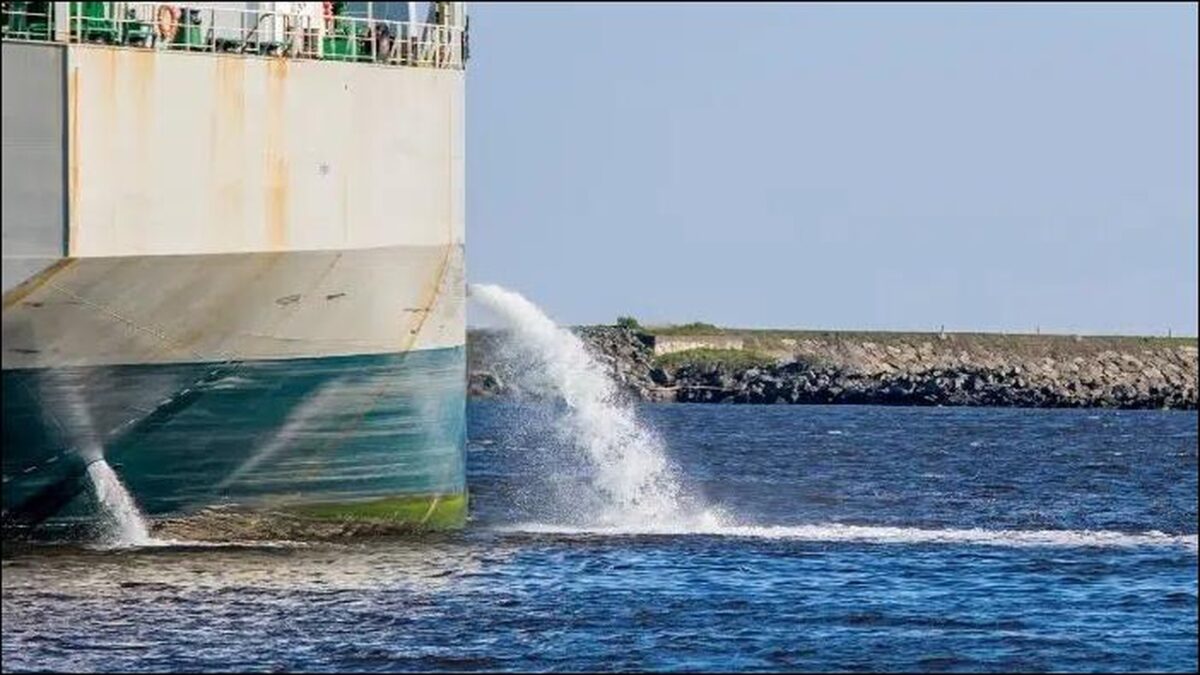
Ballast Water Treatment System Compliance | Mariner News
In the complex and ever-evolving world of maritime operations, the adage “paying the piper” resonates deeply, particularly for shipowners grappling with long-term compliance for their Ballast Water Treatment Systems (BWTS). A merchant vessel’s service life, often spanning 20 to 25 years, demands unwavering adherence to a myriad of international and local regulations. While meeting initial regulatory benchmarks on day one is crucial, the true test lies in sustaining compliance over thousands of operational days, an endeavor that necessitates robust system support throughout the vessel’s industrial lifespan. Without steadfast backing from the original equipment manufacturer (OEM), even the most sophisticated systems can become a maintenance nightmare – a stark reality now confronting numerous shipowners who invested in ballast water treatment systems during the rush to meet past deadlines.
The Rise and Fall of Ballast Water Treatment System Suppliers
The initial boom in the ballast water treatment market was characterized by an urgent scramble to meet the International Maritime Organization (IMO) D-2 implementation deadlines. This period saw a proliferation of suppliers, with dozens of smaller firms and shipyards entering the fray, marketing what appeared to be affordable new systems. Amidst this flurry, established OEMs, often with decades of experience in marine technology, issued cautionary statements. They predicted an inevitable wave of consolidation once the initial surge subsided, warning that many new entrants would likely exit the market. These predictions, unfortunately for many shipowners, have largely materialized.
The industry landscape has indeed undergone significant shifts. While some established OEMs have adapted and thrived, others have either folded entirely or quietly redirected their focus towards different product lines. This consolidation has left a substantial number of vessel operators in a precarious position. Many are now facing the costly dilemma of replacing ballast water treatment systems that are either no longer functional, lack adequate OEM support, or both. The choice is often a forced one, as Port State Control (PSC) authorities worldwide continue to ramp up the stringency of their inspection regimes, making non-compliance an increasingly expensive and risky proposition.
The Hidden Costs of Non-Compliant Ballast Water Management
For many shipowners, the initial appeal of lower-cost BWTS proved to be a short-sighted decision. As Rudolph Mes, Senior Vice President of Operations, noted, “A lot of vessel owners in the early stages chose systems that were cheap, designed by the shipyard, with filters that were not really useful in challenging water conditions.” These early choices, driven by budget constraints and the pressure of looming deadlines, are now coming home to roost. Systems procured primarily on price, often lacking sophisticated design or robust components, frequently falter when exposed to the diverse and challenging water conditions encountered during global voyages. Failures can range from ineffective treatment, leading to discharge violations, to complete system breakdowns, rendering the vessel non-compliant. The lack of proper OEM support exacerbates these issues, turning minor faults into major operational crises. Without dedicated technical assistance, readily available spare parts, or consistent software updates, maintaining these complex maritime technology solutions becomes an impossible task. The financial implications are severe, encompassing not only the direct cost of new system procurement and installation but also potential fines, operational delays, and even vessel detentions, all of which underscore the long-term operational costs associated with poor initial choices in ballast water management.
Strategic Procurement for Long-Term Maritime Compliance
Navigating the current landscape of ballast water regulations demands a strategic and forward-thinking approach from shipowners. The procurement of a BWTS should no longer be viewed as a simple capital expenditure but rather as a critical, long-term investment in maritime compliance and operational continuity. Due diligence is paramount. When selecting a system, vessel operators must look beyond the initial price tag and consider the holistic lifecycle cost. Key factors include the OEM’s track record of reliability and innovation, their global service network capabilities, and their long-term financial stability. A reliable OEM demonstrates a consistent commitment to research and development, ensuring their systems remain at the forefront of environmental regulations and technology. Furthermore, the ease of maintenance, the global availability of genuine spare parts, and comprehensive technical training and support for crew members are vital considerations. These elements collectively contribute to the sustained performance and regulatory adherence of the ballast water treatment system over its entire operational life.
Choosing a system from an OEM with a proven history of success and a robust support infrastructure minimizes the risks associated with system failures and ensures timely resolution of any issues. This proactive approach helps mitigate potential disruptions to vessel schedules, avoids costly penalties, and safeguards the vessel’s reputation. Ultimately, the focus should be on acquiring a system that offers both effective treatment capabilities and unwavering OEM support to guarantee regulatory compliance for years to come.
Navigating Regulatory Challenges and Future-Proofing Vessels
The regulatory environment surrounding ballast water management is not static; it is subject to continuous evolution and increasingly stringent interpretations. Shipowners must not only comply with current IMO D-2 standards but also anticipate potential future amendments and regional variations in ballast water regulations. This foresight is crucial for future-proofing vessel operations. For owners currently operating unsupported systems, the path forward often involves difficult decisions. Options include undertaking complex and costly retrofits, seeking alternative compliance strategies where permissible, or, in many cases, investing in a new, more reliable ballast water treatment technology from a stable OEM. The decision-making process should involve a thorough assessment of system effectiveness, operational costs, and the availability of long-term support.
Beyond hardware, proactive vessel maintenance and comprehensive crew training are integral to sustained maritime compliance. A well-trained crew, proficient in the operation and routine maintenance of the BWTS, can identify and address minor issues before they escalate into major problems, thereby minimizing downtime and ensuring continuous adherence to discharge standards. Regular system audits and performance monitoring, often facilitated by the OEM, further contribute to maintaining optimal operational efficiency and environmental protection. By embracing a lifecycle approach to ship management and investing in both advanced technology and human capital, shipping companies can effectively navigate the complexities of ballast water regulations and secure their operational license.
The Broader Impact: Reputation, Finance, and Environmental Stewardship
The implications of non-compliance with ballast water regulations extend far beyond immediate fines and operational disruptions. The financial repercussions can be extensive, including increased insurance premiums, difficulty in securing profitable charters, and a potential reduction in the vessel’s market value. More critically, repeated violations can severely damage a shipping company’s reputation within the maritime industry and among its stakeholders. In an era where corporate social responsibility and sustainability are paramount, a strong record of environmental stewardship is increasingly vital for commercial success and maintaining a social license to operate. Investing in reliable ballast water treatment systems with guaranteed OEM support is a clear demonstration of a commitment to responsible shipping practices and environmental protection.
By ensuring that vessels are equipped with robust, well-maintained BWTS that consistently meet or exceed regulatory requirements, shipowners contribute positively to marine biodiversity protection, mitigate the spread of invasive species, and uphold the highest standards of maritime compliance. This not only safeguards against punitive actions but also enhances a company’s standing as a responsible and trustworthy player in the global shipping industry. The ultimate “paying the piper” in this context means making strategic, informed decisions today to avoid far greater, inevitable costs and reputational damage tomorrow.
In conclusion, the journey towards sustained maritime compliance with ballast water regulations is a marathon, not a sprint. The initial investment in Ballast Water Treatment Systems must be viewed through the lens of long-term operational viability and unwavering OEM support. Shipowners must learn from past market dynamics and prioritize proven technology, robust after-sales service, and continuous crew education. By making astute choices and committing to proactive vessel maintenance and support, shipping companies can ensure their fleets remain compliant, operationally efficient, and environmentally responsible, thereby navigating the complex seas of ballast water management with confidence and success.