Sweden Detains Shadow Fleet Tanker Off Trelleborg | Mariner News
Sweden’s Decisive Action Against Illicit Maritime Operations
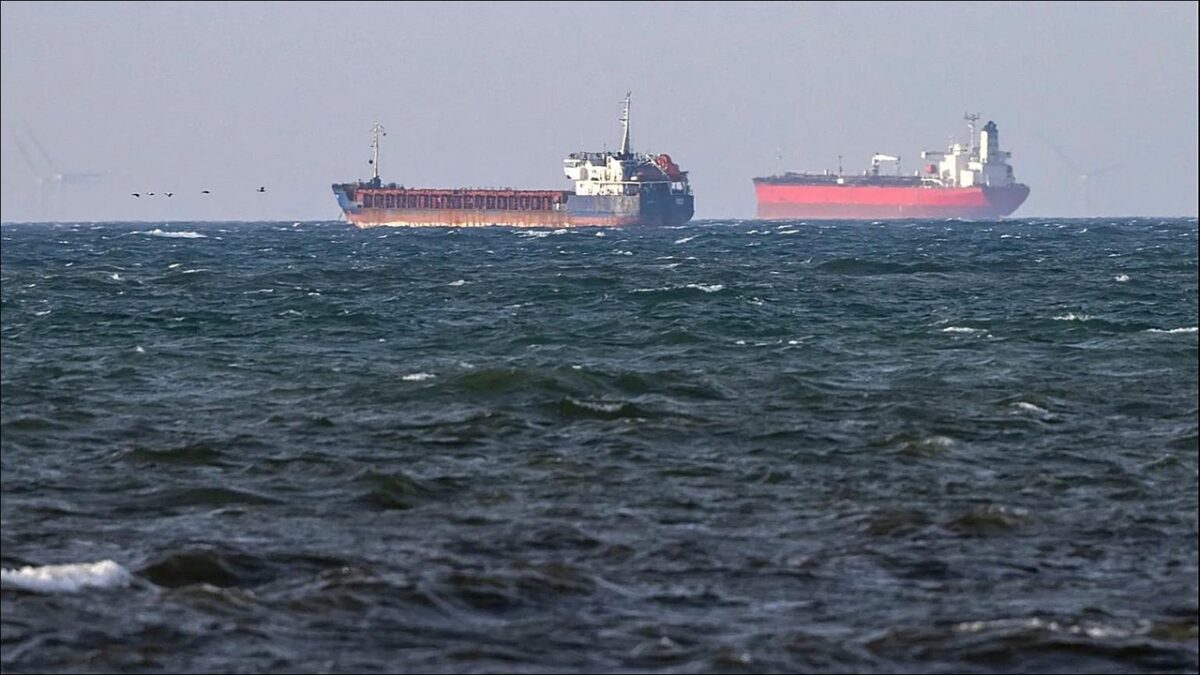
In a significant move to uphold international law and enforce sanctions, the Swedish Coast Guard recently executed a boarding and detention of a suspected shadow fleet tanker near the vital port of Trelleborg. This bold action underscores Sweden’s commitment to maritime security in the Baltic Sea and marks a critical intervention in the ongoing global campaign to disrupt illicit shipping practices. The vessel, identified as the ‘Jin Hui’ (IMO number 9430272), has been operating under a false flag, falsely claiming Syrian registration, a common tactic employed by the burgeoning shadow fleet to evade legitimate shipping regulations and international oversight.
The ‘Jin Hui’, previously known by names such as ‘Yi Bao’ and ‘Celcius Roskilde’, was flagged by authorities due to its suspected ties to sanction-evading activities. Its Equasis record, a reputable source for maritime vessel information, definitively indicates that the declared Syrian registration is fraudulent, highlighting the deceptive nature of its operations. Such false flagging is a hallmark of vessels involved in the clandestine transport of sanctioned goods, primarily Russian oil, across global waterways. This particular incident in Swedish waters draws a sharp focus on the methods and vulnerabilities of these illicit networks.
Confirming the severity of the situation, Swedish Prime Minister Ulf Kristersson issued a strong statement regarding the Sweden tanker detention. He emphasized that the ‘Jin Hui’ is not only suspected of being part of the Russian shadow fleet and sailing under a false flag but also raises grave concerns about its seaworthiness and insurance status. “The vessel is included on the sanctions lists of the EU, the UK, and Ukraine. We protect our waters,” Kristersson stated, clearly signaling Sweden’s resolve to actively counter vessels that undermine international sanctions and pose threats to national and regional security. This enforcement action near Trelleborg is a clear message to those operating outside the bounds of international maritime law.
Unmasking the Shadow Fleet: Global Implications and Sanctions Evasion
The concept of the shadow fleet, also referred to as the ‘dark fleet’ or ‘clandestine fleet’, has emerged as a significant challenge to global maritime governance and maritime security. This vast network of vessels operates deliberately outside established regulatory frameworks, primarily to facilitate the transport of sanctioned goods, with Russian oil being a prominent cargo in recent years. Its origins can be traced to the tightening of international sanctions against various nations, prompting a need for covert shipping solutions that can circumvent legitimate oversight, insurance, and safety standards. The scale of this fleet, comprising hundreds of tankers, poses a substantial threat to the integrity of global shipping.
Operational tactics employed by these illicit vessels are sophisticated and designed to obscure their true identity and activities. These methods include frequent changes in vessel names and flags, disabling or manipulating Automatic Identification Systems (AIS) to avoid tracking, and engaging in risky ship-to-ship (STS) transfers in open waters to mask the origin or destination of cargo. The ‘Jin Hui’ exemplifies these practices, with its false Syrian registration and its reported sale to undisclosed interests in December 2025. This opacity in ownership and operation makes identifying and prosecuting those behind these illegal shipping activities incredibly challenging for maritime authorities worldwide, yet crucial for effective sanctions enforcement.
The economic implications of sanctions evasion through the shadow fleet are profound. By circumventing legitimate trade channels and financial systems, these operations undermine the effectiveness of international sanctions regimes, which are designed to pressure rogue states or entities. Furthermore, the opaque financial structures supporting the shadow fleet often involve complex corporate networks and letterbox companies in various jurisdictions. The former owner of the ‘Jin Hui’, for instance, reportedly shared a Hong Kong letterbox address with a sanctioned petrochemical trading company linked to Iran, highlighting the intertwined nature of various illicit networks and the global reach of these deceptive practices. This intricate web of illicit finance and logistics requires a robust and coordinated international response.
The Perils of Non-Compliance: Seaworthiness and Environmental Risks
The ‘Jin Hui’ incident highlights a critical concern associated with the shadow fleet: the alarming disregard for vessel safety and environmental protection. Prime Minister Kristersson’s statement explicitly mentioned “insufficient seaworthiness and insurance” as primary concerns, which are direct consequences of operating outside the stringent regulatory structures that govern legitimate maritime trade. Vessels in the shadow fleet often defer essential maintenance, employ unqualified crews, and lack proper classification and insurance, making them ticking time bombs in international waters. This poses a significant risk to the crew, other maritime traffic, and the fragile marine environment.
A tangible demonstration of these dangers can be seen in the ‘Jin Hui’s’ recent Port State Control (PSC) inspection history. Just a month prior to its detention in Sweden, the vessel underwent an inspection in Turkey where port state control officers identified eight significant deficiencies. These issues included critical failures in its oil record book, which is essential for documenting oil transfers and discharges; malfunctioning fire alarms and fire doors, compromising the safety of the crew and the vessel in an emergency; auxiliary engine problems, which could lead to propulsion failure; and inadequate voyage planning, indicating a lack of professional operational standards. Each of these deficiencies individually represents a serious breach of shipping regulations and collectively paints a picture of a vessel dangerously unprepared for safe navigation.
The environmental risks posed by such non-compliant vessels are catastrophic, particularly in ecologically sensitive areas like the Baltic Sea. A tanker with insufficient seaworthiness and lacking proper insurance coverage is a prime candidate for an environmental disaster. An oil spill from a poorly maintained vessel could have devastating and long-lasting impacts on marine ecosystems, fisheries, and coastal communities. The absence of adequate insurance further complicates any clean-up and compensation efforts, leaving affected nations and communities to bear the brunt of the financial and ecological consequences. Sweden’s assertive action off Trelleborg is therefore not just about sanctions enforcement but also a crucial preventative measure against potential ecological harm, underscoring the interconnectedness of maritime security and environmental stewardship.
Strengthening Maritime Security in the Baltic Sea and Beyond
Sweden’s interception of the ‘Jin Hui’ is not an isolated event but rather a significant development within a broader and intensifying campaign by Nordic and European nations. This coordinated effort aims to impede the vast shadow fleet of tankers that actively evade Western sanctions and operate beyond the reach of international regulatory oversight. The Baltic Sea, given its strategic importance and ecological sensitivity, has become a focal point for these enhanced maritime security operations. The region’s close proximity to Russia makes it a critical area for monitoring and intercepting vessels engaged in illegal shipping activities. This growing campaign signifies a robust commitment to upholding international law and protecting national interests.
Effective combat against the shadow fleet necessitates strong international cooperation, intelligence sharing, and coordinated enforcement actions among maritime authorities. National coast guards, such as the Swedish Coast Guard, play a pivotal role as the front-line defenders of national waters and enforcers of international maritime law. Their ability to identify, track, and intercept suspicious vessels, often through collaborative efforts with intelligence agencies and other navies, is paramount. The EU and UN, through their respective sanctions regimes and maritime safety conventions, provide the foundational legal framework, but it is the diligent and courageous actions of national forces that translate these policies into actionable enforcement, ensuring the integrity of global shipping regulations and sanctions enforcement.
The challenges in identifying and interdicting these vessels are considerable. The shadow fleet employs intricate networks involving deceptive flags, frequent ownership changes, and complex corporate structures spread across multiple jurisdictions to mask beneficial ownership and operational control. These tactics require continuous vigilance, sophisticated intelligence gathering, and advanced surveillance technologies to penetrate the veil of anonymity. The detention of the ‘Jin Hui’ off Trelleborg serves as a powerful testament to the effectiveness of such dedicated efforts and emphasizes the ongoing need for enhanced monitoring and enforcement in strategic waterways globally. This commitment to transparency and accountability is vital for safeguarding the legitimate global maritime industry from illicit operators.
A Call for Greater Transparency and Accountability in Global Shipping
The Trelleborg incident, involving the Sweden tanker detention of the ‘Jin Hui’, stands as a stark and timely reminder of the persistent and evolving challenges posed by illicit maritime activities. This event underscores that such detentions are not mere isolated occurrences but are indicative of a systemic and pervasive threat to global maritime governance and the international rules-based order. The very existence and operational methods of the shadow fleet challenge the fundamental principles of transparency, safety, and accountability that underpin legitimate maritime commerce. It is a battle against deceptive practices that seek to exploit loopholes and undermine collective security and environmental efforts.
Addressing the root causes and persistent operational tactics of the shadow fleet requires more than just reactive interdictions; it demands proactive and structural reforms within the global shipping industry. Long-term solutions must focus on enhancing transparency in ship ownership, making it significantly harder for illicit actors to hide behind shell companies and complex corporate veils. Stricter enforcement of flag state responsibilities, holding countries accountable for the vessels flying their flags, is also crucial. Furthermore, improved data sharing and intelligence collaboration among national and international maritime authorities are indispensable. Leveraging advanced technologies, such as satellite tracking, artificial intelligence-driven analytics, and blockchain for supply chain transparency, can significantly aid in identifying and monitoring suspicious vessels.
In conclusion, actions like the Sweden tanker detention of the ‘Jin Hui’ are indispensable in the ongoing global effort to uphold international law, enforce sanctions, and protect our marine environments. They send an unequivocal message that illicit maritime operations will not be tolerated, particularly in sensitive areas like the Baltic Sea. By continuously enhancing maritime security measures, fostering greater international cooperation, and demanding higher standards of transparency and accountability across the shipping industry, nations can collectively safeguard the integrity of global maritime trade and ensure that our oceans remain secure and pristine for legitimate commerce and future generations. The fight against the shadow fleet is a testament to the unwavering commitment to a safer, more regulated, and environmentally responsible maritime future.