Korea Ports: Renewable Energy for Shipping Electrification | Mariner News
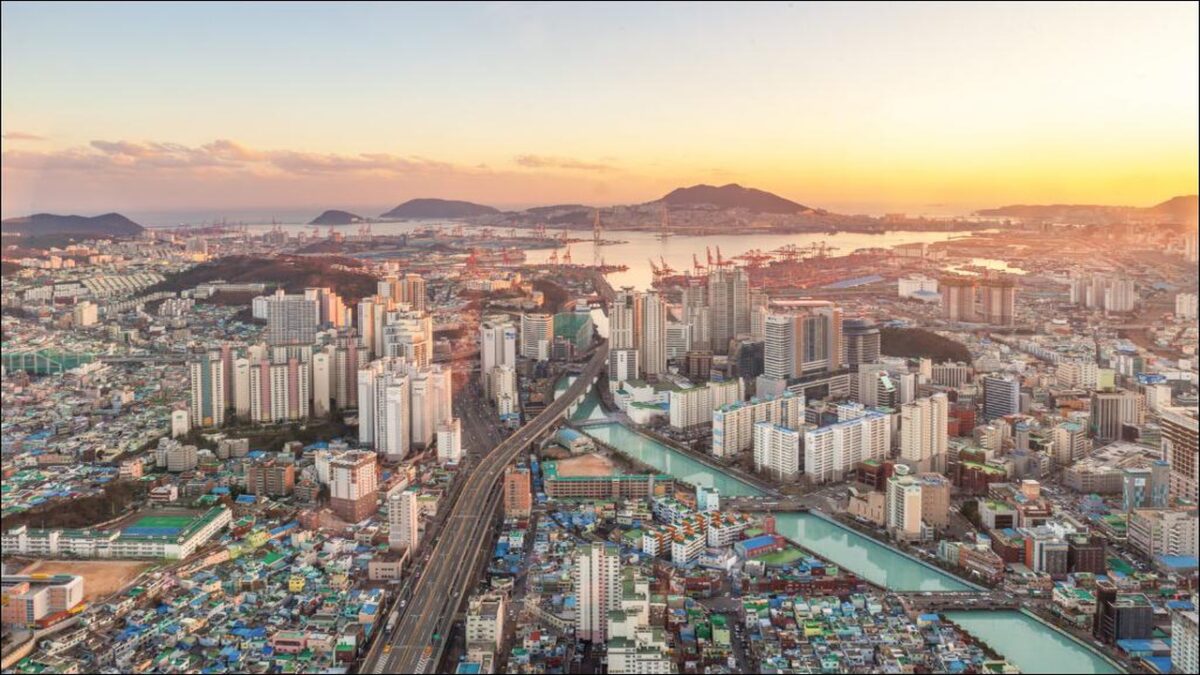
South Korea’s burgeoning renewable energy sector presents a transformative opportunity for its vital Korea ports and the broader maritime industry. A recent report highlights that the nation could ingeniously harness its surplus renewable energy to propel shipping electrification, a critical step towards comprehensive decarbonization of its port operations and vessel movements. This innovative approach promises to not only reduce the substantial carbon footprint of maritime activities but also address existing grid limitations that sometimes lead to the curtailment of clean power. By strategically integrating renewable sources like offshore wind into port infrastructure, South Korea can set a precedent for sustainable shipping, fostering greener supply chains and securing a more environmentally responsible future for its crucial coastal gateways.
Unlocking South Korea’s Green Energy Potential for Maritime Decarbonization
The environmental group Pacific Environment recently released a pivotal report underscoring the untapped potential within South Korea’s energy landscape. The report specifically details how regions like Jeju and Jeolla, rich in renewable energy generation, frequently experience situations where clean power is curtailed due to existing grid limitations. This means valuable, environmentally friendly electricity is simply going to waste because the national grid cannot always absorb the excess supply, particularly from intermittent sources such as solar and wind.
Paradoxically, while this clean energy remains unused, South Korea’s bustling ports continue their heavy reliance on traditional, often fossil-fuel-based, electricity sources. This stark contrast highlights a significant inefficiency and a missed opportunity for the nation to advance its environmental goals. The report’s findings suggest a clear path forward: channel this abundant, yet sometimes redundant, green electricity directly into powering port operations and enabling the electrification of maritime vessels.
As South Korea aggressively expands its offshore wind projects in strategic coastal areas including Incheon, Ulsan, and Shinan, the volume of surplus renewable power is only expected to grow. These regions are poised to become major hubs for clean energy generation, offering an ideal scenario for direct integration with port infrastructure. Such a symbiotic relationship could turn a current challenge (grid limitations) into a powerful catalyst for port sustainability and green shipping initiatives, driving forward the national agenda for environmental stewardship.
The Imperative for Port Electrification and Emissions Reduction
The global maritime industry is under unprecedented pressure to transition towards more sustainable practices, largely driven by international regulations and targets. The International Maritime Organization’s (IMO) ambitious 2050 net-zero target and the European Union’s increasingly stringent shipping emissions rules are reshaping operational demands worldwide. This global push places significant responsibility on ports, which serve as critical interfaces in the global supply chain, to dramatically reduce their environmental impact.
Shipping electrification, powered by renewable energy, offers a potent solution to meet these rigorous standards. Electrifying port operations, including cranes, terminal equipment, and cold ironing (shore power) for docked vessels, can virtually eliminate local air pollution. This not only significantly cuts down on greenhouse gas emissions, contributing to global decarbonization efforts, but also drastically improves air quality for port communities, leading to substantial public health benefits. Reduced noise pollution is another welcome outcome, enhancing the quality of life for residents near busy port areas.
Furthermore, the transition to electric vessels for short-sea shipping, tugboats, and ferries within and around port vicinities can dramatically lower overall maritime emissions. By moving away from conventional fossil fuels, these vessels would contribute to cleaner coastal waters and skies. This strategic shift is not merely about compliance; it’s about positioning South Korean ports as leaders in the inevitable global transition to a cleaner, more sustainable maritime future.
Enhancing Energy Security and Economic Resilience through Green Ports
The reliance on fossil fuel supply chains inherently introduces significant vulnerabilities, a reality underscored by recent geopolitical tensions. The report from Pacific Environment specifically references past disruptions around the Strait of Hormuz, highlighting how such events can lead to profound energy insecurity and extreme price volatility for the shipping industry. This dependence on external and often unstable energy sources poses a continuous threat to operational stability and economic predictability.
By leveraging domestic surplus renewable energy for shipping electrification, South Korea can substantially enhance its energy security. Reducing dependence on imported fossil fuels not only insulates the maritime sector from global market fluctuations and geopolitical risks but also strengthens national energy independence. This move towards self-sufficiency in energy supply for its ports and vessels would provide a robust buffer against international shocks, ensuring greater operational continuity and cost stability for shipping companies.
Beyond security, the economic benefits are compelling. Investing in renewable energy infrastructure at Korea ports creates new green jobs, stimulates technological innovation, and can attract businesses committed to sustainable logistics. Lowering long-term operational costs through cheaper, locally sourced renewable electricity, as opposed to volatile fossil fuel prices, can make Korean ports more competitive and economically resilient. This strategic pivot towards clean energy is an investment in both environmental integrity and robust economic growth for the maritime sector.
Charting a Course: Policy, Infrastructure, and Pilot Projects
The successful integration of surplus renewable energy into port electrification demands a multi-faceted approach encompassing legal, infrastructural, and collaborative reforms. The Pacific Environment report advocates strongly for legal reforms that would facilitate the direct routing and utilization of excess green power by ports, bypassing some of the existing grid bottlenecks. This would involve streamlining regulations to allow for more flexible energy trading and consumption within port ecosystems.
Crucially, robust grid planning and significant infrastructure upgrades are paramount. This includes developing smart grid solutions capable of managing variable renewable energy inputs and building the necessary charging infrastructure for electric vessels and port equipment. Such strategic investments in port infrastructure are essential to support the widespread adoption of zero-emission vessels and electrified terminal operations, laying the groundwork for a truly sustainable maritime future.
Furthermore, the report emphasizes the critical need for stronger coordination between port authorities and energy authorities. This collaborative synergy is vital to ensure that renewable energy development aligns seamlessly with port expansion and electrification strategies. The proposal to initiate pilot electric vessel projects on short regional routes, particularly in areas like Incheon, Ulsan, and Shinan where offshore wind capacity is expanding, offers a practical first step. These pilot programs would provide invaluable real-world data and experience, proving the viability and benefits of renewable energy-based port electrification before broader implementation.
The Broader Impact: A Blueprint for Global Green Shipping
South Korea’s proactive efforts in harnessing surplus renewable energy for shipping electrification could serve as an inspiring blueprint for maritime nations worldwide. The challenges faced by Korea ports – grid limitations, the imperative for decarbonization, and the need for energy security – are universal concerns across the global shipping industry. By demonstrating a viable and effective strategy to integrate clean energy into port operations and vessel propulsion, South Korea can position itself as a pioneer in green shipping innovation.
Such a model, showcasing how to overcome technical and regulatory hurdles to achieve substantial reductions in maritime emissions, would offer practical lessons and encourage similar initiatives globally. The ripple effect could accelerate the adoption of sustainable practices, fostering a new era of port sustainability where environmental stewardship and economic efficiency go hand-in-hand. This includes promoting technologies like shore power, electric tugboats, and advanced battery systems for ships, driving demand for these solutions on a global scale.
Ultimately, the vision is of an interconnected network of clean energy ports supporting a sustainable global supply chain. Korea’s journey towards utilizing its green power for maritime electrification isn’t just about domestic environmental improvement; it’s about contributing a vital piece to the larger puzzle of global climate action and demonstrating leadership in forging a resilient, eco-friendly future for the entire maritime sector.
In conclusion, the report’s findings present a compelling case and a clear strategic pathway for South Korea to transform its Korea ports into hubs of shipping electrification powered by abundant renewable energy. By addressing grid limitations, enhancing energy security, and committing to ambitious decarbonization targets, the nation stands on the cusp of a significant environmental and economic breakthrough. This transition, guided by legal reforms, strategic infrastructure investment, and inter-agency coordination, will not only propel South Korea towards its climate goals but also solidify its position as a leading proponent of green shipping on the international stage. The time is now for decisive action to unlock this vast potential and usher in a new era of sustainable maritime operations.