Matson’s New LNG Containership Program Progresses | Mariner News
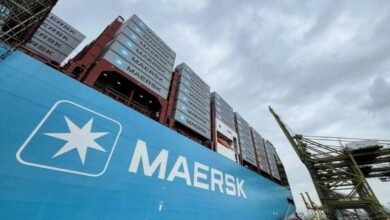
Matson, a prominent U.S. carrier, recently celebrated significant milestones in its new vessel construction program. These advancements highlight Matson’s strategic commitment to modernizing its fleet and enhancing crucial Hawaii and China-Long Beach Express (CLX) services. This progress marks a pivotal step in expanding its state-of-the-art Aloha Class containership fleet, reinforcing Matson’s position in the U.S. maritime industry with a focus on operational efficiency, reliability, and environmental responsibility. This investment ensures Matson remains at the forefront of essential logistics across the Pacific.
Matson’s new vessel construction program represents a substantial investment, underscoring its long-term vision for fleet renewal and operational excellence. The carrier recognizes the evolving demands of modern maritime logistics, and these next-generation containerships are designed to meet complex challenges while reinforcing Matson’s leadership in sustainable shipping.
Fleet Modernization and Sustainability Goals
Matson’s substantial $1 billion investment in three new containerships reflects a robust commitment to comprehensive fleet modernization. This program aims to replace aging tonnage, expand capacity, and elevate service capabilities, ensuring resilient supply chain links for its diverse customer base across the Pacific. The strategic upgrades are crucial for future growth and operational stability.
Integrating advanced LNG-powered vessels is central to Matson’s expansive sustainability objectives and environmental stewardship. By deploying cutting-edge environmental technologies, Matson significantly reduces its carbon footprint and adheres to stringent global emission regulations. This forward-thinking approach sets a benchmark for the industry.
Matson’s leadership in sustainable shipping practices demonstrates how operational efficiency can harmoniously coexist with paramount ecological stewardship. The ongoing fleet renewal intrinsically embeds superior environmental performance as a core component of future operations, ensuring a greener footprint for its vital trade routes.
Aloha Class: Next-Generation Containerships
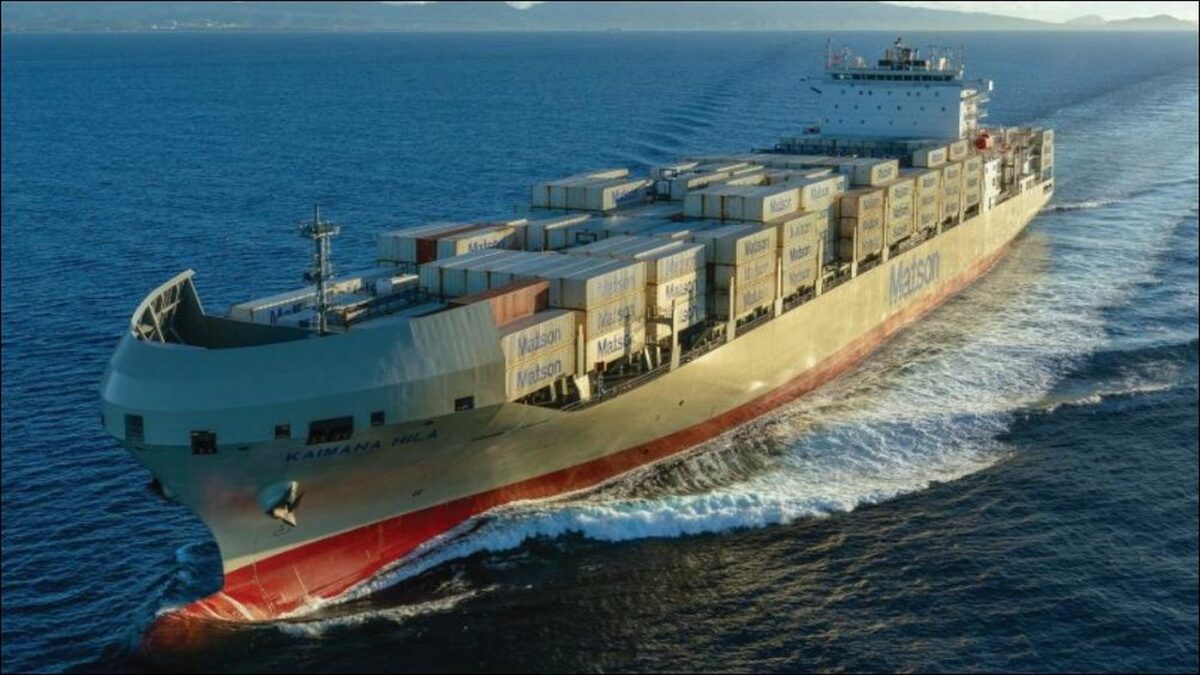
The new Aloha Class containerships are meticulously engineered to match the impressive capabilities of their predecessors, the Daniel K. Inouye and Kaimana Hila. These vessels, launched in 2018 and 2019 respectively, set industry benchmarks as the largest containerships ever built in the United States, showcasing American shipbuilding prowess.
These robust vessels, characterized by advanced features and a capacity of 3,600 TEU, are specifically tailored for Matson’s critical transpacific routes. Designed to operate efficiently at speeds exceeding 23 knots, they are indispensable for maintaining punctual and efficient service schedules across vast ocean distances, ensuring timely delivery of goods.
Adherence to the Jones Act is paramount, ensuring these vital shipping lanes connecting the U.S. mainland with Hawaii, Alaska, and Guam are consistently served by U.S.-flagged, U.S.-crewed, and U.S.-built vessels. This commitment supports American jobs and national security interests, guaranteeing a stable, secure supply chain for essential goods and underpinning regional economies.
Pioneering LNG Propulsion for Eco-Friendly Transport
A defining feature of Matson’s latest vessel construction program is the seamless integration of advanced liquefied natural gas (LNG) propulsion systems. This strategic move represents a significant leap in drastically reducing the environmental impact of ocean shipping, aligning with global decarbonization efforts.
LNG, as a cleaner-burning marine fuel, demonstrably cuts sulfur oxides (SOx) and nitrogen oxides (NOx) emissions, particulate matter, and significantly lowers greenhouse gas (GHG) emissions compared to traditional heavy fuel oil. By embracing LNG technology, Matson complies with future environmental regulations and actively shapes a cleaner, more sustainable future for maritime transport.
This strategic pivot towards greener fuels is a testament to Matson’s dedication to innovation and responsible corporate citizenship. The adoption of LNG technology underscores Matson’s role as an environmental leader within the shipping industry, setting a new standard for fleet operations and potentially leading to long-term fuel cost savings and improved engine performance.
Hanwha Philly Shipyard: U.S. Shipbuilding Excellence
The meticulous construction of these highly sophisticated vessels at Hanwha Philly Shipyard, Inc. (HSPI) in Philadelphia, Pennsylvania, stands as a powerful testament to American shipbuilding strength and capabilities. The collaboration between Matson and HSPI highlights a shared commitment to quality and domestic industry.
HSPI recently celebrated two critical milestones with Matson: the commencement of hull assembly on the second new containership and the official start of construction on the third vessel. These events, marked by a shipyard ceremony for the dock mounting of the first grand block assembly and cutting of steel plates, signify rigorous project progress.
HSPI’s pivotal role in this monumental new vessel construction project highlights its significant contribution to U.S. maritime infrastructure and industrial capability. This ensures the delivery of high-quality, Jones Act-compliant vessels and sustains skilled jobs in the U.S. manufacturing sector, bolstering the national economy through innovation.
Strategic Deliveries and Future Outlook
Matson has meticulously planned the delivery schedule for these three new containerships, aligning perfectly with its long-term operational strategies for its vital Hawaii and China-Long Beach Express services. This phased introduction strategy ensures a seamless integration into Matson’s existing modern fleet.
The first highly anticipated vessel is projected for receipt in the first quarter of 2027, followed by subsequent deliveries in the third quarter of 2027 and the second quarter of 2028. This careful rollout allows for optimally managed service continuity and significantly enhanced cargo capacity across key trade lanes without disruptions.
The introduction of these advanced vessels will provide Matson with greater operational flexibility, increased scalability, and enhanced resilience in managing its complex maritime logistics, particularly for the economically vital Hawaii trade. Increased TEU capacity and improved operational speeds will benefit businesses and consumers alike, ensuring reliable supply chains and fostering sustained economic growth.
Conclusion
These recent milestones in Matson’s new vessel construction program underscore its proactive approach to fleet renewal and exemplary environmental stewardship. The addition of these advanced, LNG-powered Aloha Class containerships represents a strategic and impactful investment in the long-term future of efficient and sustainable maritime transport.
By vigorously reinforcing its Jones Act-compliant fleet and intelligently leveraging cutting-edge propulsion technology, Matson is poised to deliver enhanced reliability, increased efficiency, and superior service for its vital Hawaii and China-Long Beach Express routes. This simultaneously champions a greener, more responsible shipping industry.
Matson’s unwavering commitment to innovation, operational excellence, and responsible environmental operation firmly cements its legacy as a visionary leader within both the U.S. and global shipping landscape, ensuring its continued success and positive impact for decades to come.