ZIM Hapag-Lloyd Takeover Deal Approved by Shareholders | Mariner News
The global maritime landscape is set for a significant transformation following the resounding approval by ZIM Integrated Shipping Services shareholders of Hapag-Lloyd’s ambitious takeover bid. This landmark ZIM Hapag-Lloyd takeover deal, valued at a substantial $6.9 billion, marks a pivotal moment in the container shipping industry, promising to reshape competitive dynamics and operational efficiencies globally. The decision, overwhelmingly supported by ZIM’s investors, signals a strategic move to consolidate power within the highly competitive container shipping sector. As the industry grapples with evolving trade patterns and increasing demand for robust logistics solutions, such an acquisition underscores the continuous drive for scale and integration among major players. This article explores the intricacies of this monumental shipping acquisition, delving into its financial aspects, regulatory challenges, strategic implications, and future outlook for global maritime trade.
The Landmark Acquisition: Details of the ZIM Hapag-Lloyd Deal
At a specially convened shareholders’ meeting in Haifa, Israel, a staggering 97.4% of ZIM’s investors voted in favor of the acquisition proposal, according to Alphaliner. This overwhelming endorsement paves the way for German container shipping powerhouse Hapag-Lloyd, with its strategic allies, to proceed. The financial terms of this major shipping deal are considerable: Hapag-Lloyd and partners agreed to a cash payment of $4.2 billion for ZIM, plus assuming an estimated $2.7 billion of ZIM’s existing debt. This combined valuation makes it one of the most substantial transactions in recent maritime history.
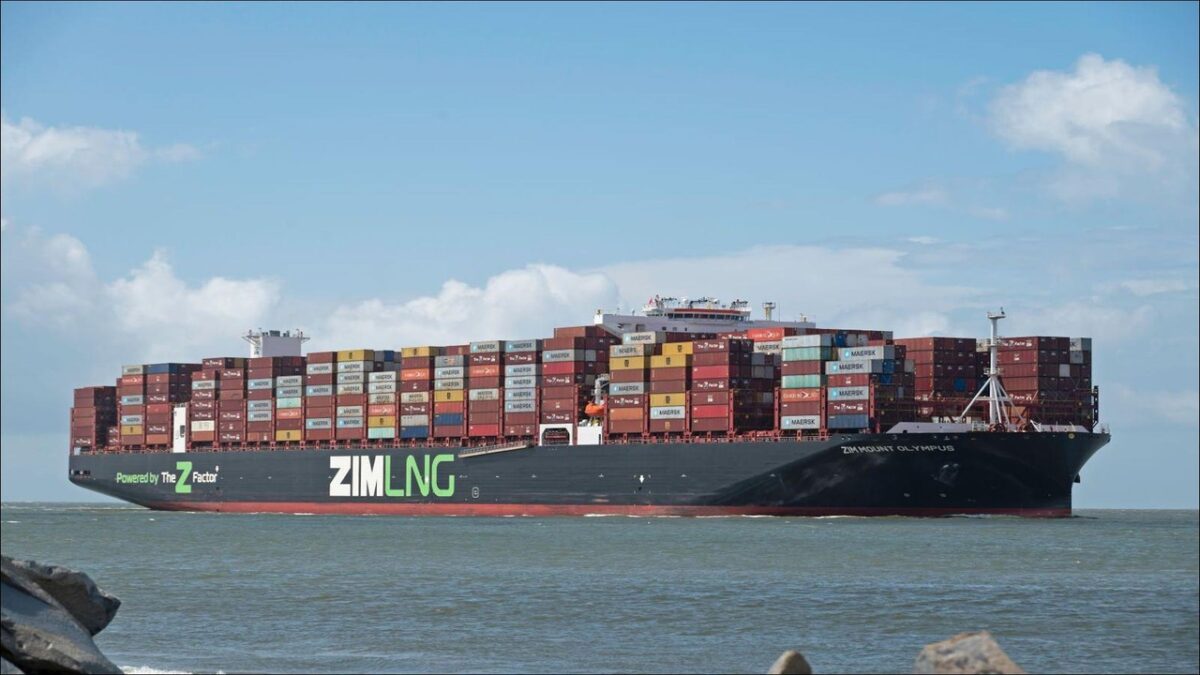
The agreed offer price of $35 per share presented a significant premium to ZIM’s closing share price of $26.07 on the Monday preceding the announcement, reflecting Hapag-Lloyd’s determination to secure the Israeli shipping firm. ZIM, currently recognized by Alphaliner as the tenth largest container shipping company globally, brings a valuable network and fleet. This strategic acquisition is set to significantly bolster Hapag-Lloyd’s market position, expanding its operational footprint and enhancing service offerings across critical global trade routes. The integration of ZIM’s assets and expertise into Hapag-Lloyd’s operations is expected to yield considerable synergies, driving efficiency and optimizing fleet deployment.
Executive Compensation Controversy and Shareholder Scrutiny
While the ZIM Hapag-Lloyd takeover deal received near-unanimous approval, not all proposals passed without contention. A notable point arose regarding a proposed three-year executive compensation package. This package, aiming to potentially increase remuneration for senior management, including ZIM’s CEO Eli Glickman, met significant resistance. Investors ultimately rejected this broader compensation policy, with only 34.59% voting in favor. This reflects a growing trend of shareholder vigilance over corporate governance and executive pay structures, especially in major mergers and acquisitions.
However, amidst the rejection of the overarching compensation plan, certain retention bonuses were approved. This nuanced outcome suggests a shareholder base keen on ensuring stability during transition, while simultaneously scrutinizing what it perceives as excessive executive benefits. The split decision highlights the complexities of balancing executive incentives with shareholder interests, particularly during high-stakes corporate transactions like the ZIM Hapag-Lloyd acquisition. It underscores the importance of transparent compensation frameworks, especially during major strategic shifts in the container shipping market.
Regulatory Hurdles and Israel’s “Golden Share” Policy
Despite overwhelming shareholder approval, the successful completion of the ZIM Hapag-Lloyd takeover deal is far from guaranteed. The acquisition remains contingent upon securing various regulatory approvals from competition authorities worldwide. Given the substantial size of both entities and their significant market presence in the global container shipping sector, these approvals are expected to face rigorous scrutiny. Regulators will assess the potential impact on market competition, freight rates, and consumer choices to ensure fair practices within the shipping industry.
A particularly significant aspect is Israel’s unique “Golden Share” policy. This policy, designed to safeguard national security interests and strategic assets, could introduce additional layers of complexity to the ZIM acquisition. ZIM, as an Israeli national carrier, holds strategic importance, and its ownership transfer will be carefully reviewed. Under the agreement, ZIM’s local Israeli activities are slated for transfer to Hapag-Lloyd’s Israeli partner, investment firm FIMI. This arrangement aims to address “Golden Share” concerns by maintaining local control over essential Israeli operations, ensuring strategic interests remain protected as the container shipping giant integrates into a German-led entity. Finalizing this impactful merger in global logistics hinges critically on these approval negotiations.
Strategic Implications for the Global Container Shipping Market
The ZIM Hapag-Lloyd takeover is poised to send ripples across the global container shipping market, fundamentally altering the competitive landscape. As the industry consolidates, this merger represents a significant move towards increased scale and operational synergy. Hapag-Lloyd, already a dominant force, will inherit ZIM’s extensive network, modern fleet, and established client base, particularly strengthening its presence in specific trade lanes where ZIM has a strong foothold. This expanded reach will enable the combined entity to offer more comprehensive and efficient global logistics solutions, a critical advantage in an industry characterized by tight margins and demanding supply chain requirements.
The strategic rationale extends beyond mere size; it’s about optimizing resource allocation, achieving economies of scale, and enhancing resilience against market volatility. Integration of two major container shipping lines could lead to improved vessel utilization, optimized route planning, and potentially lower operational costs. For customers, this could translate into more reliable services, broader port coverage, and competitive freight rates, although some analysts might voice concerns about reduced competition. Ultimately, the ZIM Hapag-Lloyd deal is expected to create a more formidable competitor, capable of challenging other top-tier global carriers and driving innovation within the maritime logistics sector. This pivotal merger underscores shipping industry evolution, emphasizing efficiency and global reach for sustained success.
Looking Ahead: The Future of ZIM and Hapag-Lloyd Post-Merger
The integration process following the ZIM Hapag-Lloyd takeover will be complex, involving the harmonization of operations, technology, and corporate cultures. Successfully merging two large shipping firms requires careful planning and execution to unlock promised synergies and avoid disruptions. Hapag-Lloyd will need to navigate the transition smoothly, ensuring service continuity for ZIM’s existing customers and retaining key talent. The combined entity will likely embark on a period of strategic review, optimizing fleet deployment, rationalizing overlapping routes, and streamlining administrative functions for maximum efficiency and profitability.
For ZIM, the acquisition marks a new chapter, transitioning from an independent Israeli entity to part of a larger, global shipping powerhouse. While its brand identity and operational structure within Hapag-Lloyd are yet to be fully defined, the move provides ZIM with access to greater capital, an expanded network, and enhanced technological capabilities. The future of the combined ZIM Hapag-Lloyd entity will be closely watched, as it is expected to emerge as an even more significant player in international maritime logistics. This strategic consolidation aims to bolster financial performance and fortify market positioning against intense global competition, ensuring a robust presence across critical supply chains.
Conclusion
The overwhelming shareholder approval of the ZIM Hapag-Lloyd takeover represents a watershed moment for both companies and the broader container shipping industry. This monumental shipping acquisition underscores the pursuit of scale, efficiency, and market dominance in global logistics. While financial details are substantial and strategic implications profound, the path to full integration still involves navigating complex regulatory approvals, including Israel’s “Golden Share” policy. As the maritime sector continues its dynamic evolution, this merger is set to redefine operational strategies and competitive landscapes for years to come. The ZIM Hapag-Lloyd deal is not merely a transaction; it is a powerful statement about the future direction of international container shipping, promising a more consolidated, efficient, and technologically advanced industry. Keep an eye on Mariner News for continued updates on this transformative shipping development.