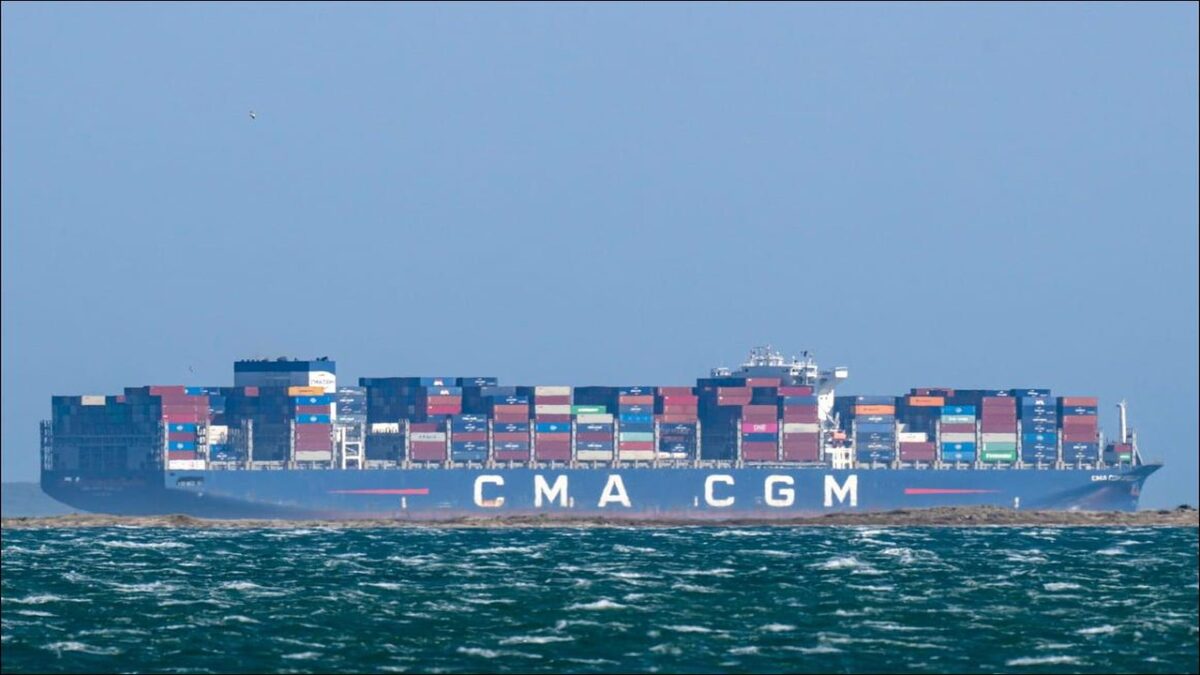
CMA CGM Container Ship Attacked in Hormuz Strait | Mariner News
French shipping giant CMA CGM has officially confirmed that one of its crucial container vessels, the CMA CGM San Antonio, was targeted in an attack within the highly sensitive Strait of Hormuz. This alarming incident, which resulted in injuries to several crew members and structural damage to the ship, sends significant ripples across the global maritime shipping industry and underscores the persistent security challenges in this critical waterway. The confirmation from CMA CGM comes after initial reports of an unknown vessel being hit, drawing immediate concern from international shipping bodies and governments alike. The safety of maritime transport, especially through chokepoints like the Strait of Hormuz, remains paramount for global trade and energy supply chains.
The Incident: CMA CGM San Antonio Targeted
The attack on the CMA CGM San Antonio unfolded on Tuesday, as the vessel navigated the treacherous waters of the Strait of Hormuz. The company, in a LinkedIn post on Wednesday, detailed the event, confirming that its container ship was indeed struck. This targeting of a commercial vessel immediately raised alarms about the escalation of tensions in the region and the direct threat to seafarers. The UK Maritime Trade Operations (UKMTO) had previously issued an advisory, reporting that a cargo ship had been struck by unidentified projectiles at approximately 18:30 UTC on Tuesday, aligning with the timeframe of the CMA CGM incident. Such reports are critical for alerting other vessels in the vicinity and for initiating response protocols.
The immediate aftermath saw the priority placed on the welfare of the crew. CMA CGM confirmed that the injured seafarers were swiftly evacuated from the vessel and are currently receiving necessary medical treatment, highlighting the grave human cost of these attacks. Beyond the physical harm to personnel, the damage sustained by the CMA CGM San Antonio can lead to operational delays, costly repairs, and potential disruptions to its scheduled cargo deliveries. For a major container shipping line, even a single vessel being out of commission can have a cascading effect on port schedules, logistics networks, and overall operational efficiency. The company stated it is closely monitoring the situation and remains fully mobilized to support its crew and manage the aftermath.
Strait of Hormuz: A Vital Yet Volatile Maritime Chokepoint
The Strait of Hormuz is unequivocally one of the world’s most strategically important maritime chokepoints. Connecting the Persian Gulf with the Arabian Sea and beyond, it is the sole sea passage from the Persian Gulf to the open ocean for oil-exporting countries like Saudi Arabia, Iran, the UAE, Kuwait, and Iraq. Roughly one-fifth of the world’s total oil consumption, and a substantial portion of global liquefied natural gas (LNG), passes through this narrow stretch of water daily. This makes any disruption, even a minor one, capable of triggering significant impacts on global energy markets and the broader international economy. The strait’s geographical significance cannot be overstated, influencing everything from crude oil prices to global shipping insurance premiums.
Historically, the region has been a hotbed for geopolitical tensions and maritime security incidents. Various state and non-state actors have, at different times, posed threats to commercial shipping, ranging from piracy to politically motivated attacks. The incident involving the CMA CGM container vessel adds another layer of complexity to an already delicate security landscape. Past incidents have seen tankers and cargo ships targeted, leading to increased naval presence from international coalitions aimed at safeguarding freedom of navigation. The vulnerability of commercial vessels, despite advancements in maritime security, remains a constant concern for shipowners, operators, and governments dependent on these crucial trade routes.
Geopolitical Undercurrents and Maritime Security Initiatives
The timing of the attack on the CMA CGM vessel is particularly noteworthy, occurring just hours before the US President Donald Trump announced a temporary halt to ‘Project Freedom.’ This US maritime operation was established with the stated goal of assisting stranded ships navigating the hazardous Strait of Hormuz. The pause in such a significant protective measure, coupled with the immediate reporting of an attack, sparks questions about the correlation between military presence and the prevalence of incidents. Since the temporary halt, the original report noted that no further vessel attacks had been reported in the Strait of Hormuz, suggesting a complex interplay between security operations and regional stability.
International cooperation in ensuring maritime safety and security in the Strait of Hormuz is critical. Naval forces from various nations often patrol the area, aiming to deter hostile actions and respond to emergencies. However, the effectiveness of these missions can be hampered by geopolitical rivalries and differing national interests. The attack on a French-flagged, globally operating container ship like the CMA CGM San Antonio demands a unified international response and renewed focus on safeguarding commercial maritime activities. Protecting global supply chains requires continuous vigilance and proactive measures from all stakeholders, including port authorities, shipping companies, and international naval coalitions. This particular incident might prompt further discussions among world leaders on how best to secure critical maritime passages without escalating regional tensions.
Impact on Global Container Shipping and Trade
An attack of this nature on a prominent container shipping line like CMA CGM has multifaceted implications for global trade. Firstly, it heightens perceived risks for shipowners and insurers operating in the region. This invariably leads to increased insurance premiums, particularly for war risk coverage, which translates into higher operational costs for shipping companies. These elevated costs are often passed down to consumers through higher freight rates, impacting the final price of goods transported via these routes. For container vessels specifically, which carry a vast array of consumer products, the ripple effect can be felt in markets worldwide.
Secondly, such incidents can compel shipping lines to consider alternative, longer, and more expensive routes, such as circumnavigating Africa. While this avoids the immediate threat zone, it adds significant transit time, increases fuel consumption, and further drives up operational expenses. These rerouting decisions have direct consequences for the predictability and efficiency of global supply chains, potentially leading to delays in cargo delivery and impacting manufacturing schedules. The delicate balance of ‘just-in-time’ inventory management is particularly vulnerable to such disruptions, highlighting the interconnectedness of maritime security and global economic stability.
Furthermore, the incident reinforces the importance of crew welfare and the psychological toll on seafarers navigating high-risk areas. The maritime industry continually grapples with attracting and retaining skilled labor, and security threats exacerbate these challenges. Ensuring comprehensive support and protective measures for crew members operating in volatile regions becomes an even more critical priority for shipping companies. The incident also serves as a stark reminder to continuously review and update security protocols for all vessels traversing the Strait of Hormuz, including robust communication systems and contingency plans in case of an attack. The long-term implications for the container sector’s resilience and its ability to absorb external shocks are likely to be a central topic for industry analysts and policymakers.
Looking Ahead: Navigating Future Security Challenges
The attack on the CMA CGM San Antonio serves as a powerful reminder of the persistent and evolving maritime security challenges in the Strait of Hormuz. While the injured crew members are receiving medical care and the company is addressing the vessel’s damage, the broader implications for the shipping industry and global trade are profound. This incident will undoubtedly reignite debates about the efficacy of current maritime security measures and the need for enhanced international collaboration to protect one of the world’s most vital waterways. Shipping companies must remain vigilant, continue investing in crew training and vessel security, and adapt to the dynamic geopolitical landscape.
The global community, including international organizations and naval powers, must also re-evaluate their strategies for ensuring safe passage through the Strait. Whether through increased patrols, diplomatic efforts to de-escalate regional tensions, or technological advancements in vessel protection, a concerted effort is required. The future of global container shipping, and indeed global commerce, depends significantly on the ability to maintain secure and unobstructed maritime routes. The CMA CGM incident is a stark testament to the ongoing need for robust maritime security protocols and unwavering international commitment to safeguarding this critical artery of world trade.