

London P&I blames port refusals for X-Press Pearl total loss

London P&I Club backs findings that port refusals to handle leaking cargo turned a manageable incident into the X-Press Pearl disaster.
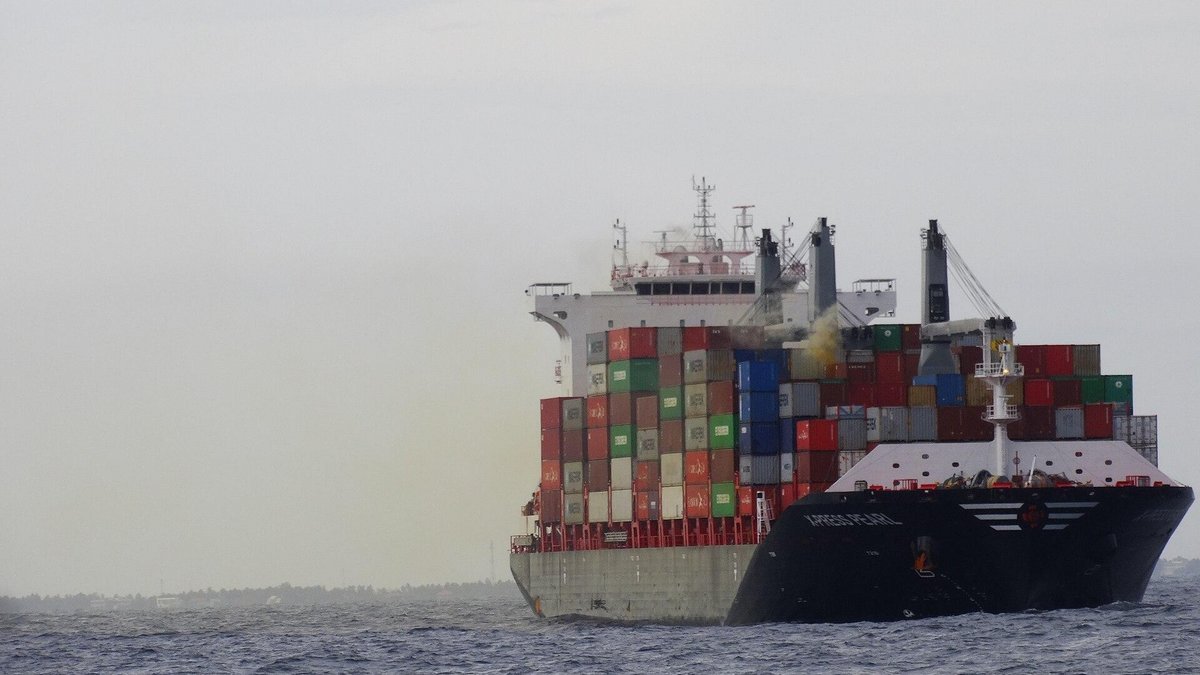
London P&I Club is using the Sigma7 investigation into the X-Press Pearl disaster to warn that port refusals to handle leaking hazardous cargo create a systemic risk of total loss. The findings confirm that while the crew identified a nitric acid leak early, the vessel was denied the emergency offloading that could have prevented the 2021 fire and sinking.
The Sigma7 report, commissioned to examine the loss of the X-Press Feeders vessel off Sri Lanka, identifies a single leaking container of nitric acid as the trigger for the fire. London P&I Club, the vessel’s insurer, noted that the crew followed all established safety procedures and sought assistance from two ports before the fire broke out. Both ports refused to allow the vessel to offload the leaking unit, forcing the ship to continue its voyage to Colombo where the fire eventually consumed the hull.
Why it matters
This report shifts the burden of responsibility from the crew to the global port infrastructure. For shipowners and charterers, it confirms that even perfect adherence to the International Maritime Dangerous Goods (IMDG) Code cannot protect a vessel if shore-side authorities prioritize local convenience over maritime safety. The X-Press Pearl was lost not because the crew failed, but because they were denied a place of refuge.
Insurers are signaling a harder line on port accountability. By validating the crew’s actions through Sigma7, London P&I is building a defense against claims of negligence and focusing on the gap in international regulation. If ports can unilaterally block distressed vessels carrying hazardous goods, the risk of a manageable leak turning into a constructive total loss remains high for every container operator on these routes.
The incident exposes the commercial reality that masters are often left in an impossible position. Without a mandatory international framework that forces ports to accept leaking containers, the industry remains reliant on the hope that a leak does not occur between distant hubs. This leaves insurers and owners carrying the financial and environmental fallout of shore-side indecision.
What to watch
Watch for the International Group of P&I Clubs to use these findings to pressure the International Maritime Organization for clearer mandates on port responsibilities regarding places of refuge.