

Port of Los Angeles volumes surge 21% as trade imbalance widens

October volumes at the Port of Los Angeles hit 1.02 million TEU as a 25.5% import surge forces a massive repositioning of empty containers.
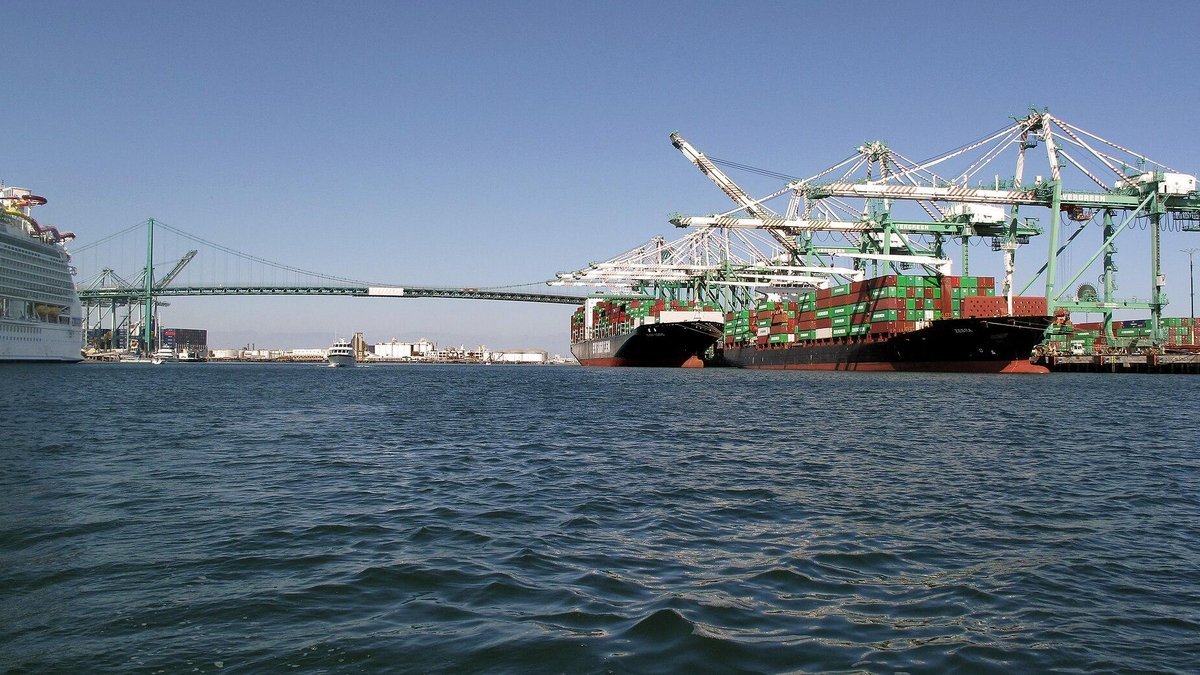
The Port of Los Angeles processed 1,026,872 twenty-foot equivalent units (TEU) in October 2026, a 21.0% year-on-year surge that exposes a widening transpacific trade imbalance as loaded imports outpaced exports by nearly five to one.
The port handled 538,620 TEU of loaded imports during the month, a 25.5% increase from October 2025, according to official container statistics. In contrast, loaded exports fell 7.1% to 114,981 TEU. The movement of empty containers rose 26.4% to 373,271 TEU, reflecting the logistical pressure to return equipment to Asian manufacturing hubs.
For the calendar year to date, the Port of Los Angeles has handled 9,108,497 TEU. This represents a 5.1% increase compared to the first ten months of the previous year.
Why it matters
The 25.5% jump in loaded imports confirms that transpacific demand is accelerating, but the 4.7 to 1 ratio of imports to exports creates a massive equipment bottleneck. For every loaded container leaving the port, carriers are moving more than three empty ones. This suggests that the speed of equipment turnaround is now more critical to carrier economics than the revenue generated from US export cargoes.
The 7.1% decline in loaded exports points to a difficult environment for US shippers. With empty container volumes growing by 26.4%, terminal operators must dedicate more space and labor to managing non-revenue equipment. This volume of empties risks clogging terminal gates and slowing the evacuation of the very imports that are driving the current boom.
A 5.1% year-to-date increase shows that the October surge is an outlier compared to the rest of 2026. This sudden spike in activity tests the surge capacity of terminal operators and drayage providers. If this pace continues, the pressure on landside infrastructure will likely lead to increased dwell times for containers sitting on the docks.
What to watch
The port’s ability to maintain this million-TEU monthly pace through the end of the year will determine if the 2026 annual total can break the 10-million-TEU threshold.