

West Coast Imports Hit September Record as 11% Surge Strains Terminals

September laden imports hit 1.45 million TEU on the US West Coast, creating acute stress for rail and chassis networks as volumes surge 11.3%.
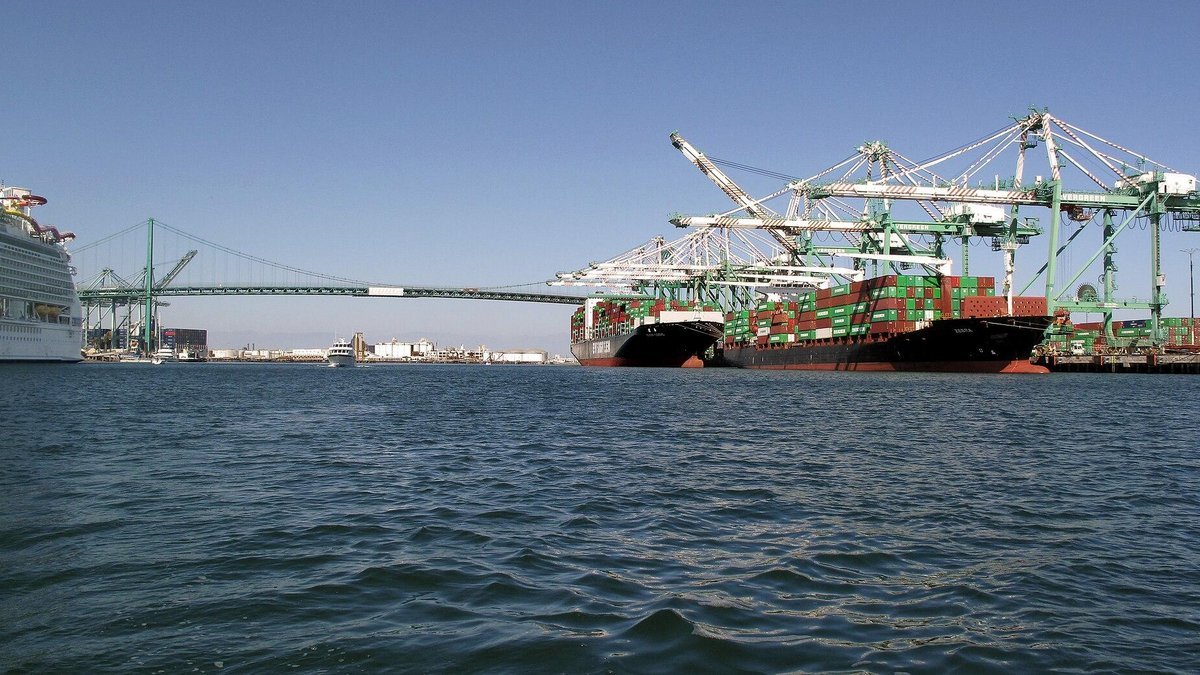
North American West Coast ports handled a record 1.45 million TEU of laden imports in September, but the 11.3% month-on-month surge is straining port infrastructure and rail networks. This volatility, the highest September increase since 2012, follows a sluggish start to the quarter and places an outsized burden on the San Pedro Bay complex.
Sea-Intelligence data shows laden imports grew 17.6% year-on-year in September, though this figure is partially exaggerated by an unusually weak baseline in 2025. While total Q3 volume reached 8.32 million TEU, the growth was heavily weighted toward inbound cargo, with laden imports rising 3.9% to 4.12 million TEU. Shippers concentrated their activity in Los Angeles and Long Beach, which captured 73% of all West Coast laden imports during the quarter.
Why it matters
The sudden 11.3% jump from August to September represents a highly compressed peak season. Instead of managing a steady flow of cargo, terminals handled a massive influx that creates acute stress on chassis availability and rail networks. This volatility is harder for terminal operators and rail providers to manage than sustained high volume, as the rapid shift from a 3.9% contraction in July to record-breaking September volumes creates immediate bottlenecks.
The concentration of cargo in Los Angeles and Long Beach means the risk of congestion is localized but severe. With nearly three-quarters of imports hitting just two ports, equipment shortages or rail delays in Southern California will have a disproportionate impact on transpacific schedules. This concentration suggests shippers are prioritizing the largest gateways to manage the surge, even at the risk of local infrastructure strain.
The imbalance between inbound and outbound cargo complicates terminal yard management. While laden imports grew by 3.9% in Q3, laden exports increased by just 1.8% to 1.21 million TEU. This forces carriers to prioritize the movement of empty containers, which saw a 1.1% increase to 2.67 million TEU, to maintain equipment flow despite the muted export demand.
What to watch
Monitor rail dwell times and chassis turn-around rates at Los Angeles and Long Beach to see if the infrastructure can absorb the record September volumes without a prolonged backlog.