Malaysia Seizes Tugboats for Illegal MGO Transport | Mariner News
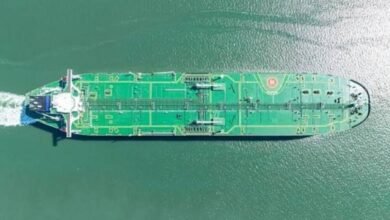
Malaysian maritime authorities have recently made a significant bust, detaining two tugboats suspected of engaging in illegal MGO transportation within the critical waters of eastern Johor. This high-profile Malaysia tugboat seizure highlights the ongoing challenges faced by nations combating illicit maritime activities, particularly fuel smuggling. The suspected marine gas oil cargo, estimated to be worth a staggering RM 19.55 million, or approximately $4.97 million, underscores the lucrative nature of such illegal operations and the robust enforcement efforts required to counteract them. This incident serves as a stark reminder of the sophisticated networks involved in fuel smuggling and the constant vigilance demanded from maritime enforcement agencies like the Malaysian Maritime Enforcement Agency (MMEA).
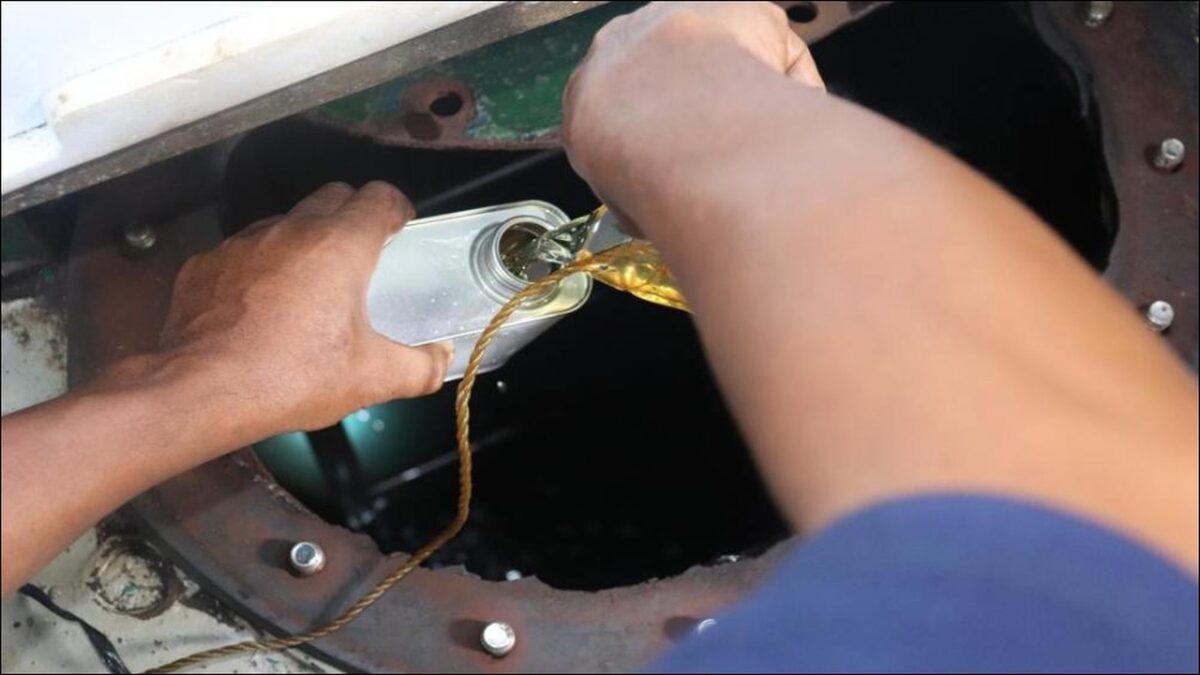
The MMEA acted decisively following meticulous intelligence gathering and continuous monitoring of suspicious vessel movements in the strategic Johor region. The twin detentions occurred late in the evening, with the first tugboat intercepted about 1.5 nautical miles southeast of Tanjung Bulat, swiftly followed by the second vessel approximately 40 minutes later in the vicinity. Both tugboats, found to be registered in Tanzania, were manned by a total of 10 Indonesian crew members. Preliminary inspections revealed several critical discrepancies, including the vessels’ alleged failure to declare their entry into Malaysian waters, a fundamental requirement for all foreign vessels. More alarmingly, officers discovered cargo believed to be marine gas oil for which no valid documentation could be produced. Further investigation uncovered suspected modifications to the vessels’ water tanks, indicating a deliberate conversion for the purpose of illicit oil storage, a common tactic in illicit bunkering schemes. The case is currently under rigorous investigation, with charges being pursued under Malaysia’s Customs Act 1967.
The Widespread Problem of Illegal MGO Transportation and Maritime Fuel Smuggling
Illegal MGO transportation and maritime fuel smuggling are pervasive issues that plague global shipping lanes, impacting national economies, environmental safety, and maritime security. Marine Gas Oil (MGO), a type of distillate fuel, is highly sought after due to its use in marine diesel engines, particularly for smaller vessels, coastal shipping, and as a backup fuel for larger ships. Its high value and demand make it a prime target for illegal trade, where sophisticated criminal syndicates exploit jurisdictional gaps and lax enforcement to transport and sell fuel without paying taxes or duties, often at significantly lower prices than legal channels.
This illicit trade not only deprives governments of substantial revenue but also poses severe environmental risks. Vessels involved in fuel smuggling often operate without proper safety standards, increasing the likelihood of spills and pollution, which can devastate marine ecosystems. Furthermore, the practice can fund other criminal activities, including piracy, human trafficking, and drug smuggling, thereby destabilizing regional security. The intricate networks involved in illicit bunkering often involve multiple actors, from suppliers and transporters to buyers, making detection and prosecution a complex challenge for authorities worldwide. The Malaysia tugboat seizure is a critical blow against such a network, demonstrating Malaysia’s commitment to upholding maritime law and order.
Unraveling the Johor Incident: Details of the Tugboat Seizure
The details surrounding the Malaysia tugboat seizure in Johor waters provide a textbook example of how maritime enforcement agencies combat illegal MGO transportation. The MMEA’s success stemmed from effective intelligence gathering, a cornerstone of modern maritime security operations. By monitoring suspicious movements, authorities were able to pinpoint the vessels and plan their interception strategically. The timing of the operation, late at night, often favored by smugglers attempting to evade detection, further underscores the vigilance of the MMEA.
The discovery of the Tanzanian registration and Indonesian crew highlights the transnational nature of fuel smuggling. Criminal networks often leverage foreign-flagged vessels and international crews to complicate investigations and prosecution, using flags of convenience to obscure ownership and operational details. The alleged failure to report arrival in Malaysian waters is a fundamental breach of maritime protocols and often a precursor to illegal activities. Crucially, the discovery of marine gas oil without valid documentation, coupled with the suspected modifications to the vessels’ water tanks, provides strong evidence of an intentional scheme for illicit bunkering. These modifications, designed to create hidden compartments for fuel storage, are a common tactic used by smugglers to avoid detection during routine inspections. The MMEA’s thorough inspection protocols were instrumental in uncovering these hidden elements, showcasing the expertise required in such complex maritime investigations.
Legal Ramifications and Regional Efforts Against Illicit Bunkering
The legal framework governing such offenses is robust, with the current investigation proceeding under Malaysia’s Customs Act 1967. This act provides the legal teeth necessary to prosecute individuals and entities involved in illegal MGO transportation and other forms of smuggling. Penalties under the Customs Act can include substantial fines, imprisonment, and the forfeiture of vessels and cargo, serving as a significant deterrent. However, prosecuting such cases can be protracted and challenging, often involving international cooperation and extensive forensic analysis to establish intent and secure convictions. The MMEA’s collaboration with other national and international agencies is vital in dismantling these cross-border criminal enterprises.
Beyond this specific incident, the fight against illicit bunkering and fuel smuggling is a regional priority, particularly in Southeast Asia, which is a major shipping hub. Countries in the region frequently collaborate through intelligence sharing, joint patrols, and capacity-building programs to enhance their collective maritime security. Organizations like the Regional Cooperation Agreement on Combating Piracy and Armed Robbery against Ships in Asia (ReCAAP) Information Sharing Centre play a crucial role in facilitating information exchange and fostering coordinated responses to maritime crimes. The continuous efforts by nations like Malaysia underscore a firm commitment to safeguarding their territorial waters and contributing to global efforts against maritime crime, ensuring legitimate trade can flourish unhindered by criminal elements.
Enhancing Maritime Security: Preventing Future Fuel Smuggling Operations
The successful Malaysia tugboat seizure provides valuable lessons for enhancing maritime security and preventing future fuel smuggling operations. A multi-pronged approach is essential, combining advanced surveillance technologies, increased patrol presence, and robust intelligence networks. Investing in sophisticated radar systems, drones, and satellite monitoring can significantly improve detection capabilities, allowing authorities to track suspicious vessels more effectively. Furthermore, strengthening inter-agency cooperation, both nationally and internationally, is paramount. Sharing intelligence on known smuggling routes, modus operandi, and identified syndicates can lead to more targeted and successful interventions.
Beyond enforcement, proactive measures are also crucial. Stricter regulations for bunkering operations, enhanced vessel registration and monitoring systems, and rigorous due diligence requirements for shipowners and operators can create a less permissive environment for illegal activities. The shipping industry itself has a vital role to play by implementing robust internal controls, conducting thorough background checks on crew members, and reporting any suspicious activities promptly. Educating stakeholders about the severe consequences of illegal MGO transportation—ranging from legal penalties to environmental damage and reputational harm—can also foster a culture of compliance. Ultimately, a concerted effort from governments, industry, and international bodies is necessary to effectively curb the threat of maritime fuel smuggling and ensure the safety and security of our oceans.