Sustainable Shipping: Bel Group Joins CMA CGM Initiative | Mariner News
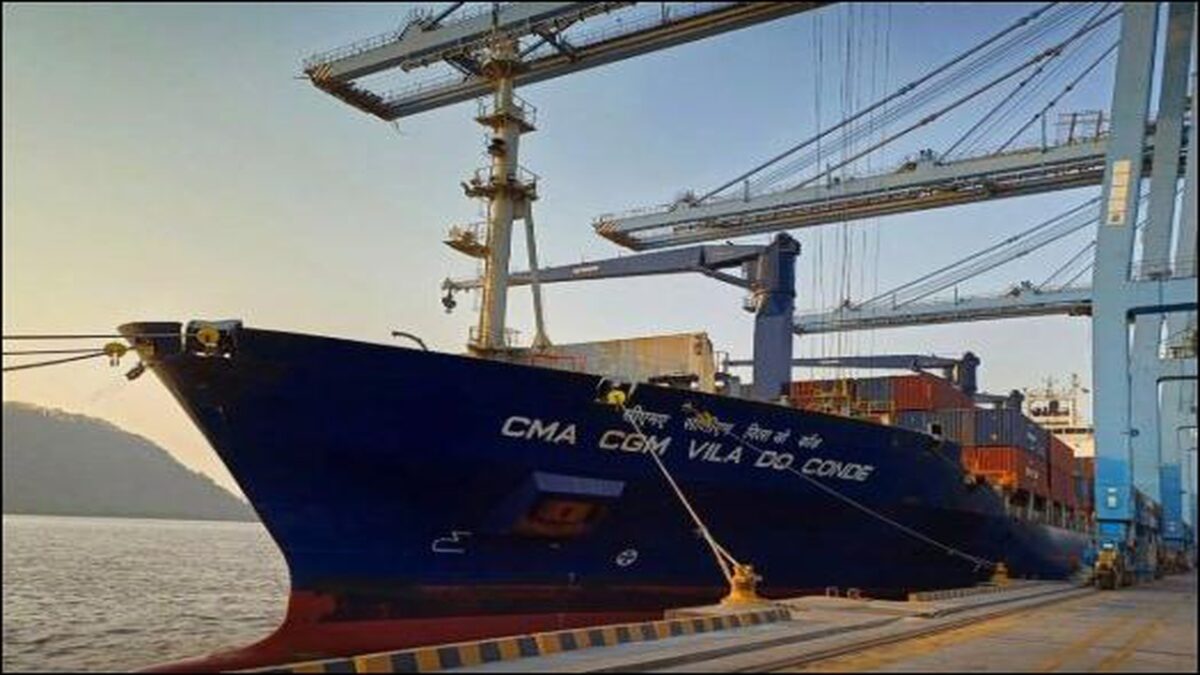
The global maritime industry, essential for international trade, is under pressure to reduce its environmental impact. French food giant Bel Group, known for brands like The Laughing Cow, has partnered with CMA CGM on its pioneering low-carbon shipping initiative. This collaboration highlights a shared commitment to decarbonizing global supply chains. By utilizing programs like ACT+, Bel Group is actively reducing its carbon emissions, contributing significantly to a more sustainable future for ocean transport and setting an industry precedent for environmental responsibility.
The Imperative for Sustainable Maritime Logistics
Global shipping, while vital, heavily contributes to greenhouse gas emissions and air pollution, primarily from burning traditional marine fuels. These emissions drive climate change and harm public health. Consequently, there’s an urgent global call for maritime decarbonization, spurred by international regulations and increasing consumer demand for environmentally responsible products. Businesses now view sustainable practices as a fundamental imperative, not just a compliance issue.
Embracing green logistics enhances brand reputation, attracts eco-conscious customers, and offers long-term operational efficiencies. The shift to cleaner fuels and efficient vessel operations is complex but crucial. This requires collaborative efforts across the supply chain, overcoming challenges like high technology costs and alternative fuel availability. However, the environmental and economic benefits of cleaner shipping are substantial, including greater energy security and protection from volatile fuel prices.
Investing in sustainable maritime logistics demonstrates a forward-thinking approach, positioning companies as leaders in corporate social responsibility. Major players like Bel Group and CMA CGM exemplify a growing trend to integrate sustainability into core business operations, marking a significant shift in the global shipping landscape. These collective efforts are vital to achieving ambitious emissions reduction targets and fostering a resilient, environmentally sound global trade network.
CMA CGM’s ACT+ Program: A Deep Dive into Low-Carbon Shipping Solutions
CMA CGM, a global leader in shipping and logistics, is at the forefront of maritime decarbonization with its innovative ACT+ program. This initiative offers a practical pathway for businesses to significantly reduce their carbon footprint from ocean freight. The ACT+ program effectively cuts CO2 emissions by using advanced second-generation biofuels and certified emissions reduction mechanisms. These biofuels, derived from sustainable waste sources, represent a greener alternative to conventional fossil fuels.
A key feature of ACT+ is its flexibility, allowing customers to tailor their decarbonization strategies to specific environmental goals. Businesses can choose from various levels of emissions reduction, ranging from 10% to an impressive 83%. This adaptable approach empowers companies, like Bel Group, to align shipping practices with broader corporate sustainability targets, gradually scaling their efforts. The program focuses on verifiable and impactful reductions, addressing comprehensive emissions beyond just fuel switching.
CMA CGM emphasizes that leveraging these alternative fuels and certified mechanisms enables companies to adapt and refine their decarbonization strategy across the entire supply chain. This holistic approach integrates environmental efforts into broader management systems, providing credible options for industries reliant on global trade. The program’s transparency and certification assure partners and consumers of genuine, measurable reductions, fostering trust and demonstrating a true commitment to a greener maritime future.
Bel Group’s Commitment to Environmental Responsibility
Bel Group’s integration of CMA CGM’s low-carbon shipping program highlights its deep commitment to environmental responsibility. As a global food company with an extensive supply chain, Bel recognizes its significant planetary impact. This initiative perfectly aligns with their overarching sustainability goals, which aim to reduce their carbon footprint from ingredient sourcing to product delivery. By addressing maritime emissions, a substantial component of global logistics, Bel Group showcases leadership in corporate environmental stewardship.
Participation in the ACT+ program is integral to Bel Group’s brand identity and consumer promise. Today’s consumers prioritize environmentally conscious brands. By actively reducing emissions from ocean transport, Bel Group enhances its brand reputation, builds customer trust, and strengthens its position as a responsible corporate citizen. This strategic move powerfully communicates the company’s serious commitment to a healthier planet, while ensuring product quality and availability.
The benefits extend beyond public perception. Investing in sustainable maritime logistics prepares Bel Group for future, potentially stricter environmental regulations and carbon pricing. Proactive adoption of low-carbon solutions minimizes future compliance risks and could yield long-term cost savings. Collaborating with partners like CMA CGM also fosters innovation and knowledge sharing. This commitment exemplifies Bel Group’s dedication to positive impact, securing a sustainable future for its business and the planet.
Understanding the Book-and-Claim Model in Green Transport
The book-and-claim model is a crucial component of CMA CGM’s ACT+ program and many green shipping initiatives. This innovative approach allocates emissions reductions from low-carbon fuels to customer shipments, even if the specific vessel isn’t directly using the alternative fuel. It effectively separates the physical flow of sustainable fuel from its environmental benefit, facilitating broader adoption of green transport solutions across the maritime industry.
Here’s how it works: a shipping company purchases and utilizes low-carbon marine fuel on certain vessels. The resulting emissions reductions are “booked” as credits. These credits are then “claimed” by businesses like Bel Group, aiming to reduce the reported emissions of their specific cargo. This system provides a practical solution to logistical challenges, as it’s often unfeasible to ensure every container ship uses low-carbon fuel for every journey. The total volume of low-carbon fuel used corresponds to claimed reductions, ensuring environmental integrity.
The primary advantage is expanded access to greener transport for a wider array of businesses. Smaller companies or those with less flexible supply chains can participate in decarbonization without complex overhauls, democratizing sustainable shipping. By creating a market for these credits, the book-and-claim system incentivizes shipping companies to invest more in low-carbon fuels and technologies, accelerating the industry’s transition. This transparent, auditable mechanism builds confidence in environmental claims, making green practices more accessible globally.
The Future of Decarbonized Shipping and Global Impact
The Bel Group and CMA CGM partnership, driven by their low-carbon shipping initiative, underscores the transformative potential within the maritime industry. Such collaborations are not isolated; they reflect a growing global trend where environmental sustainability is a core strategic imperative. As regulations tighten and consumer preferences shift towards eco-conscious brands, more companies will integrate sustainable logistics into their operations. The momentum towards decarbonized shipping is irreversible, fueled by technology and urgent climate action.
The future of maritime logistics will feature a diverse range of low-carbon solutions. This includes increased adoption of advanced biofuels, the emergence of zero-emission fuels like green ammonia and hydrogen, and innovative, energy-efficient vessel designs. Digitalization and data analytics will optimize routes, reduce fuel consumption, and enhance emissions reporting transparency. The book-and-claim model, as seen in ACT+, will likely evolve, facilitating broader participation and a more robust market for carbon credits.
The global impact will be profound: contributing to climate targets, reducing air pollution in port cities, and protecting marine ecosystems. It will also foster greater resilience in global supply chains, mitigating susceptibility to geopolitical disruptions and volatile energy markets. Effective decarbonization demands bold leadership, strategic partnerships, and innovation from all stakeholders. Bel Group and CMA CGM’s pioneering steps demonstrate that a sustainable future for global trade is an achievable reality through collaborative action and shared vision.
In summary, Bel Group’s adoption of CMA CGM’s low-carbon shipping initiative marks a significant step towards sustainable maritime logistics. This strategic partnership, utilizing advanced biofuels and programs like ACT+, sets a compelling example for the industry. It addresses urgent emissions reduction needs and reinforces Bel Group’s environmental commitment, enhancing brand trust and preparing for future regulations. The book-and-claim model democratizes access to greener transport, accelerating the transition to a cleaner future for ocean freight. Such indispensable collaborations prove that economic viability and environmental stewardship must go hand in hand, representing a vital investment in a healthier planet and a resilient global economy.