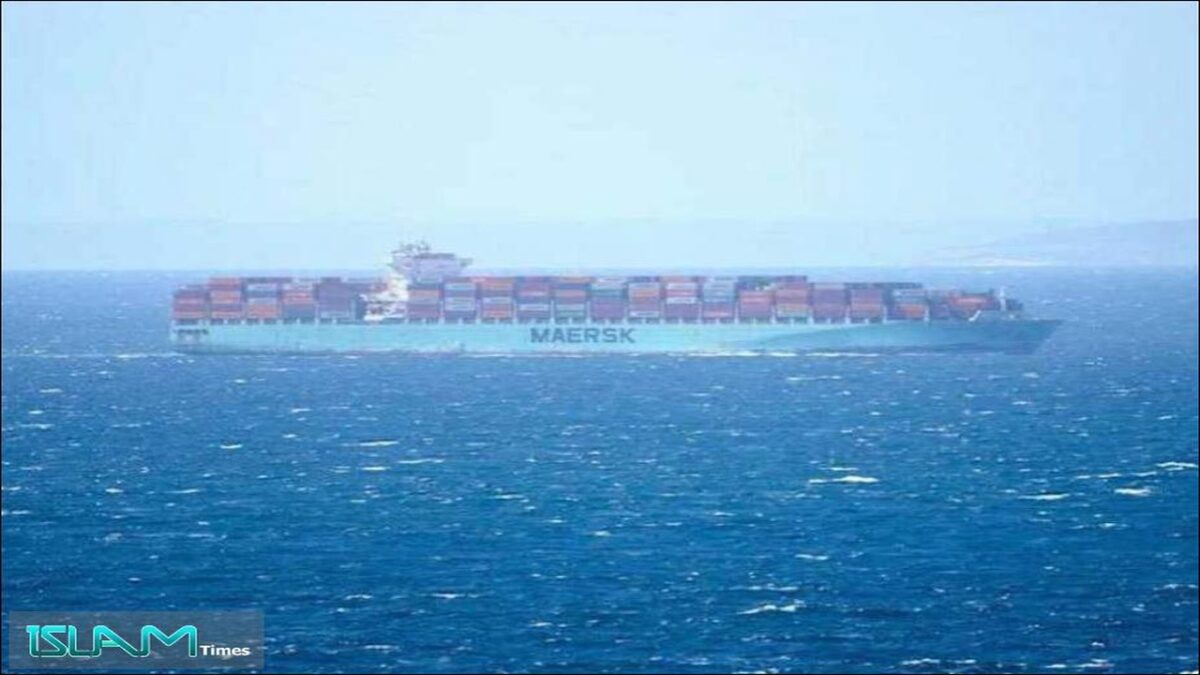
Maersk’s Gulf Dilemma: US Escort Amid Iran Tensions | Mariner News
The intricate dance of international diplomacy and global commerce often places major corporations in unenviable positions, none more so than when caught in the crosshairs of geopolitical rivalries. Such was the case for Maersk, one of the world’s leading container shipping giants, when an inquiry from the US about escorting the Alliance Fairfax out of the Persian Gulf presented a thorny dilemma. This incident, unfolding amidst heightened US-Iran tensions, underscores the precarious reality for merchant vessels operating in strategically vital yet volatile waterways, making maritime security a paramount concern for the entire shipping industry.
The original event, where the US offered an escort to the Maersk vessel during a tense period, highlighted a situation that the Danish shipping behemoth would perhaps have preferred to avoid. While safety is always paramount, such overt military assistance can inadvertently draw commercial entities into a complex geopolitical narrative, challenging their operational neutrality. The waters of the Persian Gulf, a critical chokepoint for global trade and energy transport, have become an arena where national interests clash, and the constant flow of container shipping and other merchant traffic serves as both a target and a pawn.
Geopolitical Crossroads: The Persian Gulf’s Strategic Importance
The Persian Gulf represents a geopolitical crossroads, a critical artery for global commerce and a significant portion of the world’s oil supply. Its strategic significance is undeniable, connecting the oil-rich Middle East with international markets via the narrow Strait of Hormuz. Any disruption in this vital waterway has immediate and far-reaching consequences for energy prices, global supply chains, and economic stability worldwide. For container shipping lines like Maersk, navigating these waters is an absolute necessity, yet it comes with inherent risks, particularly when US-Iran tensions escalate.
Historically, the Gulf has been a region marked by intermittent conflict and political instability. The presence of numerous international naval forces underscores its critical nature, but also the potential for miscalculation. Recent years have seen an uptick in incidents involving commercial vessels, from drone attacks to ship seizures, all contributing to an environment of unease. This persistent state of geopolitical fragility directly impacts the operational planning and risk assessments of every shipping industry player traversing these important seas.
The strategic importance extends beyond mere transit. The ability of various state and non-state actors to influence or threaten shipping in the Gulf provides a potent form of leverage. For nations like Iran, demonstrating control or the capacity to disrupt the smooth flow of international commerce becomes a powerful tool in a broader geopolitical strategy, challenging the narratives of global powers regarding regional stability and maritime security.
Maersk’s Uncomfortable Position: Navigating High-Stakes Diplomacy
For a multinational corporation like Maersk, maintaining operational continuity and crew safety in such environments is a tightrope walk. The offer of a US escort for the Alliance Fairfax, while ostensibly a gesture of protection, simultaneously implicated Maersk in the broader US-Iran tensions. Shipping companies strive for neutrality, essential for unimpeded global operations. Being seen as aligned with one geopolitical actor over another can have commercial, diplomatic, and even security repercussions in other regions or with other nations.
This incident forces a re-evaluation of how commercial container shipping can best insulate itself from geopolitical flashpoints. While military escorts offer immediate protection, they also complicate the delicate balance of international relations that Maersk and other major carriers must maintain. The challenge lies in ensuring the safe passage of goods and personnel without becoming a symbolic chess piece in a larger game between powerful nations. The incident served as a stark reminder of the delicate act required by global logistics firms.
Operational dilemmas extend to insurance premiums, crew welfare, and the very routing of vessels. Diverting ships around volatile regions adds significant time and cost, directly impacting global supply chains and consumer prices. Therefore, the decision-making process for Maersk and its counterparts involves complex risk analysis, balancing commercial imperatives with the unpredictable nature of international politics, making proactive maritime security planning crucial.
Merchant Vessels as Strategic Assets: Iran’s Leverage
Peter Viggo Jacobsen, an associate professor at the Danish Defence Academy, insightfully articulated the transformation of merchant vessels in the Gulf into strategic assets for Iran. As he points out, “The ships in the Gulf have, in a sense, become caught in a game between the US and Iran. It has become a major advantage for Iran that they are stationed there. Because when the Americans say they have everything under control, Iran can demonstrate that this is not the case.” This perspective highlights the often-overlooked dimension of modern geopolitical conflict: the use of economic infrastructure as a means of exerting pressure.
With an estimated 700 ships, including a total crew of approximately 20,000 sailors and officers, potentially “trapped” or operating under duress in the Persian Gulf, this fleet represents a valuable and tangible means of exerting pressure. For Iran, the mere presence of such a vast commercial armada provides a continuous opportunity to challenge US claims of regional dominance and security. Every incident, every close encounter, serves as a narrative point to underscore their influence and disrupt the perceived order, directly impacting maritime security protocols for container shipping and other seaborne trade.
This strategic leveraging of merchant shipping creates a complex dynamic. It forces naval powers to devote significant resources to protecting international shipping, diverting attention and assets from other strategic objectives. Meanwhile, the constant threat of disruption hangs over global trade, creating uncertainty for investors and businesses relying on the smooth flow of goods. The implications for the shipping industry are profound, demanding constant vigilance and adaptation to evolving geopolitical realities.
Economic Repercussions and Global Supply Chain Vulnerabilities
The ripple effects of geopolitical tensions in key shipping lanes like the Persian Gulf extend far beyond the immediate region. For the container shipping sector, increased risks translate directly into higher operational costs. Insurance premiums for vessels transiting high-risk areas can skyrocket, and the need for enhanced maritime security measures, such as armed guards or naval escorts, adds further expenses. These costs are ultimately passed down the supply chain, affecting manufacturers, retailers, and ultimately, consumers.
Potential disruptions to global supply chains are another major concern. Delays caused by security threats, diversions to longer routes, or even temporary closures of waterways can severely impact the timely delivery of goods. This can lead to shortages, production halts, and significant economic losses for businesses worldwide. The interconnectedness of modern logistics means that a localized incident in the Gulf can have a cascading effect across continents, disrupting industries far removed from the conflict zone.
Furthermore, the uncertainty created by such tensions deters investment and long-term planning within the shipping industry. Companies may become hesitant to commit to new routes or expand operations in volatile areas, impacting future growth and economic development. The economic ramifications serve as a potent reminder that maritime security is not just a military issue, but a fundamental pillar of global commerce and prosperity, requiring collaborative solutions to protect vital trade arteries.
Enhancing Maritime Security in Volatile Regions
In response to escalating geopolitical tensions and the increasing threats to maritime security, international efforts to protect shipping have intensified. Naval forces from various countries conduct patrols and exercises in critical waterways, aiming to deter hostile actions and ensure the free flow of seaborne trade. These coalitions provide a level of reassurance to container shipping companies and other operators, though their presence does not entirely eliminate risk, as the Maersk incident demonstrated.
Beyond military protection, technological advancements play a crucial role. Enhanced vessel tracking systems, real-time intelligence sharing platforms, and improved communication networks allow for quicker threat assessment and response. These technologies enable shipping companies to make informed decisions about routing, crew safety, and security protocols, minimizing exposure to potential dangers. Investment in these areas is paramount for maintaining operational resilience.
However, true long-term maritime security in volatile regions ultimately hinges on diplomatic solutions and de-escalation of conflicts. While protective measures can mitigate immediate threats, sustained stability requires concerted international efforts to address the root causes of geopolitical tensions. For the shipping industry, advocating for peaceful resolutions and adherence to international law is as vital as implementing robust security measures on the water itself. A holistic approach that combines both hard power and soft diplomacy is essential.
The Future of Container Shipping in Geopolitical Hotspots
The incident involving Maersk and the US inquiry serves as a significant case study for the future of container shipping in geopolitical hotspots. It underscores the need for shipping companies to develop highly adaptable operational strategies, capable of responding swiftly to rapidly changing security landscapes. This includes rigorous risk assessment frameworks, contingency planning for diversions, and robust communication channels with international bodies and naval forces. The ability to pivot quickly will be a key differentiator.
Looking ahead, the shipping industry must continue to champion the principle of freedom of navigation and advocate for the protection of merchant vessels as non-combatants. The global reliance on seaborne trade dictates that key maritime routes remain open and secure, regardless of the political climate ashore. This requires ongoing dialogue between governments, international organizations, and the private sector to establish clear protocols and ensure accountability for any actions that threaten global supply chains.
Ultimately, the resilience of Maersk and the broader shipping industry will be tested repeatedly as global power dynamics continue to shift. While the allure of profit drives vessels into every corner of the globe, the lessons learned from incidents in the Persian Gulf emphasize that geopolitical awareness and proactive maritime security strategies are no longer optional but fundamental to sustainable operations. The constant interplay between global commerce and geopolitical tensions will define the landscape for container shipping for years to come, demanding vigilance, adaptation, and unwavering commitment to safe passage.