Tsuneishi Delivers Methanol Dual-Fuel Container Ship | Mariner News
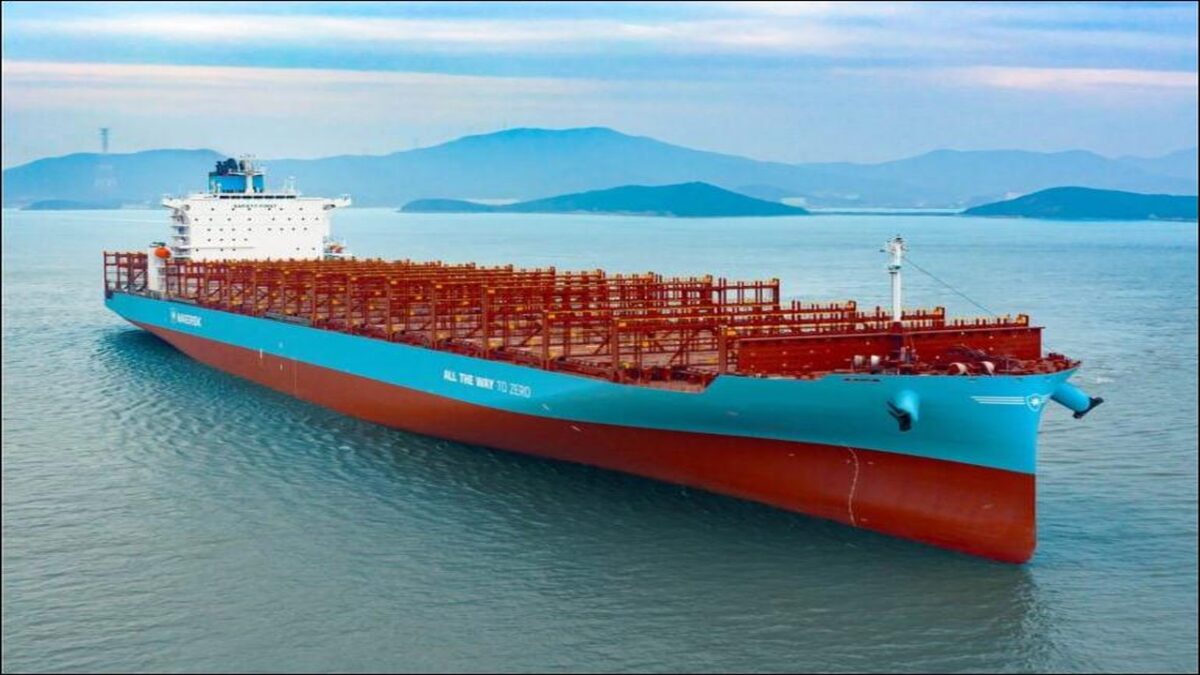
In a significant stride towards sustainable shipping and maritime decarbonization, Japanese shipbuilder Tsuneishi Group’s Zhoushan unit has proudly announced the delivery of its second methanol dual-fuel container ship. This pivotal development underscores the industry’s accelerating transition towards cleaner energy solutions and marks another milestone in the global effort to reduce the carbon footprint of international shipping. As environmental regulations tighten and the demand for greener logistics solutions grows, vessels equipped with alternative fuel capabilities, such as this advanced methanol dual-fuel container ship, are becoming indispensable for the future of maritime transport.
Pioneering Sustainable Maritime Transport with Methanol Dual-Fuel Technology
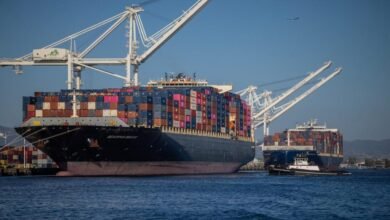
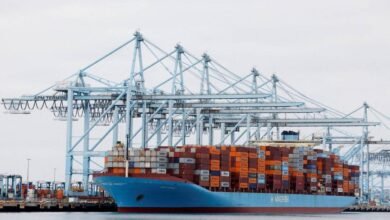
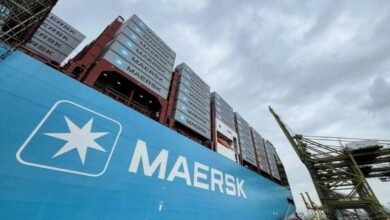
Tsuneishi Group’s latest delivery is a state-of-the-art 5,900 TEU (Twenty-foot Equivalent Unit) container vessel, meticulously engineered to operate on both methanol and conventional marine fuels. This inherent flexibility provides immense operational advantages, allowing the ship to adapt to varying fuel availability and pricing while significantly reducing emissions. The strategic decision by Tsuneishi to invest in and develop such advanced eco-friendly vessels reflects a deep commitment to environmental stewardship and a proactive approach to meeting the evolving demands of the global shipping industry. While the owner of this specific vessel has not been officially disclosed by Tsuneishi, market speculation points towards industry giant A.P. Moller-Maersk, further highlighting the widespread adoption of methanol as a viable alternative fuel among leading container lines. The integration of dual-fuel engines represents a substantial technological leap, ensuring that these newbuilds are not only efficient but also compliant with stringent future environmental standards, setting a benchmark for sustainable shipping practices across the container segment.
The development and delivery of this methanol dual-fuel container ship are timely, aligning with an urgent global imperative to mitigate climate change. The maritime sector, responsible for a significant portion of global emissions, is under increasing pressure to adopt more sustainable practices. Tsuneishi’s commitment to developing and constructing vessels that combine superior environmental performance with unwavering safety and operational reliability is central to their long-term vision. This approach contributes directly to the realization of a more sustainable maritime transport ecosystem, where the pursuit of economic efficiency goes hand-in-hand with ecological responsibility. The emphasis on high-performance dual-fuel engines signifies a strategic investment in technologies that support a viable path to maritime decarbonization, offering tangible solutions to complex environmental challenges.
The Rise of Methanol as a Leading Alternative Marine Fuel
Methanol has rapidly emerged as one of the most practical and promising alternative marine fuels for the shipping industry. Its appeal stems from several key advantages, including its relatively mature handling infrastructure, which is remarkably similar to that of conventional marine fuels. This familiarity significantly reduces the complexity and cost associated with transitioning to new fuel types, making it an attractive option for shipowners looking to green their fleets without undertaking massive overhauls of existing port and bunkering facilities. Unlike some other nascent green shipping fuels, methanol can be stored and transported using existing or easily adaptable infrastructure, facilitating broader adoption and scalability across major shipping routes.
Furthermore, methanol boasts a strong environmental profile. When combusted, it produces significantly lower emissions of sulfur oxides (SOx), nitrogen oxides (NOx), and particulate matter compared to traditional heavy fuel oil. While it is still a carbon-containing fuel, the potential for producing green methanol from renewable sources, such as biomass or captured carbon dioxide using renewable electricity, offers a credible pathway towards net-zero carbon emissions in the long term. This prospect positions methanol as a crucial transitional and potentially long-term fuel in the decarbonization efforts of the shipping sector. Its safety characteristics are also well understood, with established guidelines for handling and storage, contributing to its growing acceptance and integration into sustainable shipping operations worldwide.
Driving Decarbonization in the Global Container Shipping Segment
It is no coincidence that the container segment has been at the forefront of orders for methanol-fuelled newbuilds. Container shipping, with its fixed routes, predictable schedules, and high volume of goods, is particularly well-suited for adopting alternative fuels. Major container lines are facing mounting pressure from consumers, cargo owners, and regulators to demonstrate tangible progress in reducing their environmental impact. This demand for greener supply chains is a powerful catalyst driving investment in eco-friendly vessels like Tsuneishi’s methanol dual-fuel container ship.
For shipping companies, investing in these advanced vessels is not merely about compliance; it is a strategic imperative for future competitiveness. Operating a fleet of sustainable shipping vessels enhances brand reputation, attracts environmentally conscious clients, and potentially unlocks new business opportunities. The ability to offer low-emission transport solutions provides a distinct market advantage in an increasingly carbon-sensitive global economy. The proactive adoption of alternative marine fuels within the container sector is setting a powerful precedent for other shipping segments, demonstrating the commercial viability and operational benefits of transitioning to a greener fleet. This forward-thinking approach is critical for the long-term sustainability and resilience of the entire maritime supply chain.
Tsuneishi Group’s Commitment to Eco-Friendly Ship Innovations
Tsuneishi Group has consistently positioned itself as a leader in innovative shipbuilding, with a clear focus on developing technologies that address global environmental challenges. The delivery of their second methanol dual-fuel container ship is a testament to their continuous research and development efforts aimed at enhancing the environmental performance of marine vessels. Their integrated approach considers not only fuel efficiency and emissions reduction but also operational reliability and safety, ensuring that their newbuilds deliver superior performance throughout their lifecycle. This holistic perspective is vital for building trust and facilitating the broader adoption of sustainable shipping solutions across the industry.
Through their Zhoushan unit, Tsuneishi is not just building ships; they are crafting solutions for a sustainable future. Their dedication to creating vessels that are at the cutting edge of environmental technology contributes significantly to the global maritime decarbonization agenda. By collaborating with engine manufacturers, fuel suppliers, and other stakeholders, Tsuneishi is helping to build the necessary ecosystem to support the widespread use of alternative marine fuels. Their ongoing commitment to innovation and excellence ensures that they remain a pivotal player in shaping the future of green shipping, consistently pushing the boundaries of what is possible in eco-friendly vessel design and construction.
The Broader Impact: A Greener Future for International Shipping
The delivery of Tsuneishi’s methanol dual-fuel container ship sends a powerful signal across the entire international shipping industry. It reinforces the message that maritime decarbonization is not just an aspiration but an achievable goal, with tangible technologies already being deployed. Each such delivery contributes to a growing fleet of eco-friendly vessels capable of reducing the environmental impact of global trade. This trend is expected to accelerate as more shipowners recognize the long-term benefits of investing in sustainable shipping solutions, driven by both regulatory pressures and market opportunities.
Moreover, the success of these methanol dual-fuel container ships will likely spur further innovation in the development of other alternative marine fuels and propulsion systems. It creates a positive feedback loop, encouraging more research, investment, and collaboration across the maritime value chain—from shipbuilders and engine manufacturers to fuel producers and port authorities. The collective effort to embrace and implement these greener technologies is fundamental to achieving the ambitious emission reduction targets set by international maritime organizations. Tsuneishi’s latest delivery is more than just a ship; it is a tangible symbol of progress, demonstrating that a greener, more sustainable future for international shipping is indeed within reach, promising a cleaner ocean and a healthier planet for generations to come.