Port of Blyth: UK’s Offshore Wind Power Hub | Mariner News
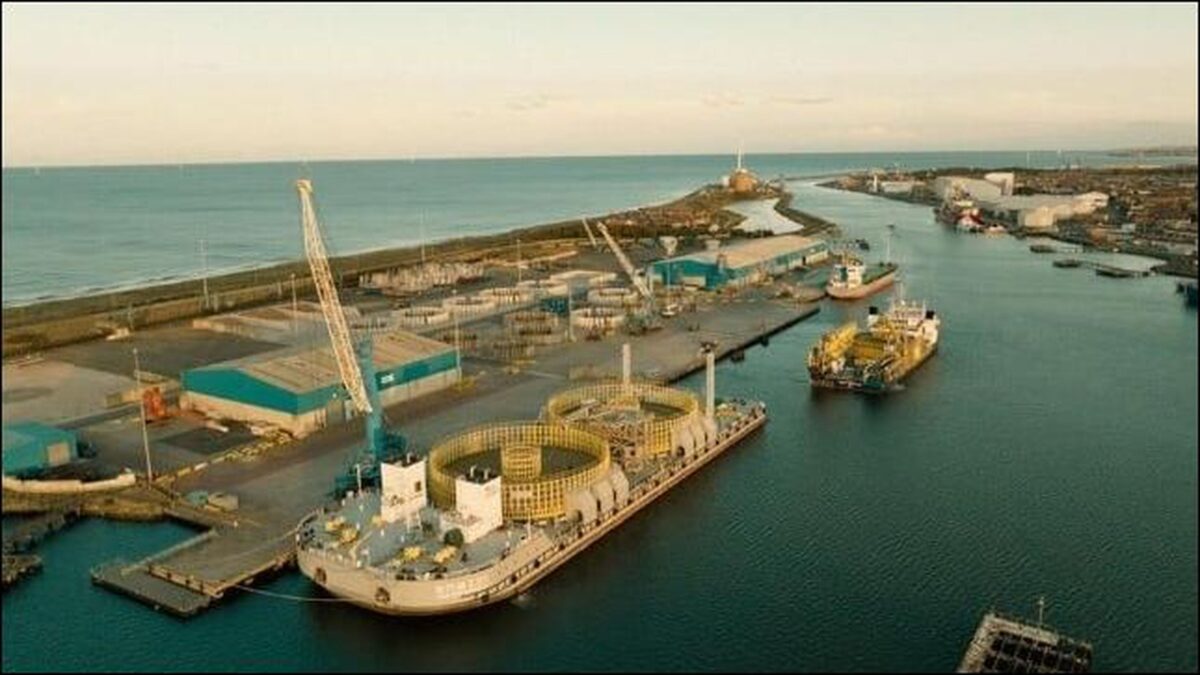
The Port of Blyth is boldly asserting its leadership in the global renewable energy sector, actively cementing its position as a pivotal UK offshore wind hub. With an ambitious plan to invest $135 million, this strategically located port on the North East coast of England is not merely expanding; it’s proactively redefining its role in the clean energy revolution. This substantial financial commitment underscores Blyth’s unwavering determination to achieve offshore wind dominance, particularly within the bustling North Sea operations. For over two and a half decades, the port has been a formidable force, providing essential infrastructure and services that have underpinned the rapid growth of the offshore wind industry. Now, as the sector enters an unprecedented era of expansion and technological advancement, Blyth is scaling up to meet the demands of larger projects and next-generation components, ensuring the UK remains at the forefront of sustainable energy production. This forward-thinking investment is more than just an upgrade; it’s a strategic move to future-proof the port and solidify its reputation as an indispensable asset to the burgeoning offshore energy sector.
Blyth’s Strategic Edge in the Offshore Wind Sector
Strategically situated in the North East of England, widely recognized as the epicentre of the fast-growing offshore wind industry, the Port of Blyth boasts an enviable geographical advantage. Its proximity to some of the world’s most significant offshore wind farms in the North Sea provides an inherent logistical edge. Over the past twenty-five years, Blyth has meticulously cultivated its reputation as a leading operational base for offshore wind projects, a result of consistent infrastructure investment and a deep understanding of wind farm development intricacies. The port’s expertise spans the entire project lifecycle, from manufacturing and component staging to complex installation and long-term operations and maintenance (O&M). This comprehensive service offering, coupled with its prime location, makes Blyth an attractive proposition for developers and supply chain companies alike.
The port’s capabilities are further bolstered by a vibrant energy cluster, home to over 50 businesses actively engaged across the offshore wind and broader renewable energy sectors. This concentration of expertise fosters collaboration, innovation, and a robust local supply chain, supporting every facet of wind energy development. Blyth handles diverse cargo across its four terminals, ensuring efficient logistics for high-profile North Sea projects. As the UK continues its drive towards net-zero emissions, the strategic importance of hubs like Blyth, with their established infrastructure and specialized workforce, becomes ever more pronounced in accelerating the transition to a greener energy future.
The $135 Million Battleship Wharf Expansion
At the core of Blyth’s ambitious strategy lies a landmark $135 million investment, earmarked for a substantial expansion of its critical infrastructure. This formidable capital injection is designed to usher in the next era of clean energy growth, ensuring the port remains at the forefront of technological advancements and project scale. The centrepiece of this development is the “Battleship Wharf expansion scheme,” a massive undertaking engineered to significantly enhance the port’s capabilities. This project is about future-proofing the port to accommodate the evolving demands of larger offshore energy projects and the burgeoning low-carbon technologies that are shaping the future of energy production.
A significant component of the works involves the reclamation of approximately three hectares of land, creating vital additional space for component storage, marshalling, and assembly. This new land will be complemented by the construction of up to 260 meters of quay extensions, meticulously designed to link seamlessly with a new deep-water berth. The deepening of both the port channel and the new berths is a critical aspect, as it will enable unrestricted access for larger, next-generation vessels that are becoming standard for transporting massive offshore wind components. These colossal vessels, carrying turbine blades longer than football pitches and foundations weighing thousands of tonnes, require berths with significant draft and robust load-bearing capabilities.
To further bolster its handling prowess, the Port of Blyth will also acquire additional heavy-duty handling equipment. This advanced machinery, including super-heavy-lift cranes and specialized transport vehicles, is essential for safely and efficiently managing the increasingly immense components of modern offshore wind turbines. The collective enhancements – expanded land, extended quays, deepened berths, and state-of-the-art equipment – will transform Blyth into an even more versatile and resilient hub. This strategic upgrade positions the port perfectly to support upcoming Crown Estate leasing rounds for North Sea projects, providing the necessary infrastructure to bring these massive renewable energy developments to fruition. The investment underscores Blyth’s commitment to innovation and its proactive approach to meeting the dynamic needs of the global offshore wind industry.
Supporting Next-Gen Offshore Technology and Sustainability
The ongoing expansion at the Port of Blyth is fundamentally driven by the increasing scale and complexity of next-generation offshore wind components. As turbines grow larger, their components – from monumental monopile foundations to extended turbine blades and nacelles – demand specialized handling and storage facilities. The new deep-water berths, with their impressive draft, are specifically designed to accommodate the larger installation and transport vessels that service these mega-structures. This capacity for accommodating bigger ships reduces logistical constraints, streamlines project timelines, and ultimately contributes to the cost-effectiveness of offshore wind farm development.
Beyond just size, the port’s enhanced infrastructure will support the entire project lifecycle with greater efficiency. Manufacturers will benefit from expansive laydown areas for pre-assembly and marshalling. Installation contractors will find a robust base for staging operations. Moreover, the long-term operations and maintenance (O&M) phases, crucial for the longevity and profitability of wind farms, will be significantly bolstered by Blyth’s improved access and service capabilities. The focus on heavy-duty handling equipment further ensures the port can manage the most demanding lifts.
Crucially, Blyth’s vision extends beyond traditional offshore wind. The expansion is also geared towards supporting emerging low-carbon technologies, such as hydrogen production and carbon capture, vital for the UK’s energy transition. By diversifying its capabilities, the Port of Blyth ensures its relevance and critical importance for decades to come, positioning itself not just as an offshore wind leader but as a multi-faceted hub for sustainable energy innovation.
Economic Benefits and UK’s Green Future
The Port of Blyth’s strategic investment carries profound implications not only for the regional economy but for the UK’s overarching net-zero ambitions. By strengthening its position as a dominant UK offshore wind hub, Blyth directly contributes to the nation’s targets for renewable energy generation and carbon reduction. The expansion project is expected to generate a substantial number of direct and indirect jobs, spanning construction, engineering, logistics, and port operations. This influx of employment opportunities will provide a significant boost to the North East economy, fostering skill development and attracting further investment into the region, reinforcing its reputation as a hub for green industry.
Furthermore, by enhancing its capacity to handle large-scale offshore wind projects, Blyth plays a crucial role in bolstering the UK’s energy security. Reducing reliance on fossil fuels and increasing domestic renewable energy production safeguards the nation against volatile international energy markets. The port’s ability to support major North Sea developments ensures that the UK can efficiently deploy its vast offshore wind resources, strengthening the domestic supply chain and creating a more resilient industry within the UK. The Port of Blyth’s foresight in investing in future-proof infrastructure serves as a powerful model, positioning the UK as a global leader in renewable energy deployment. Its expansion is more than just a port upgrade; it’s a pivotal investment in the nation’s green future.