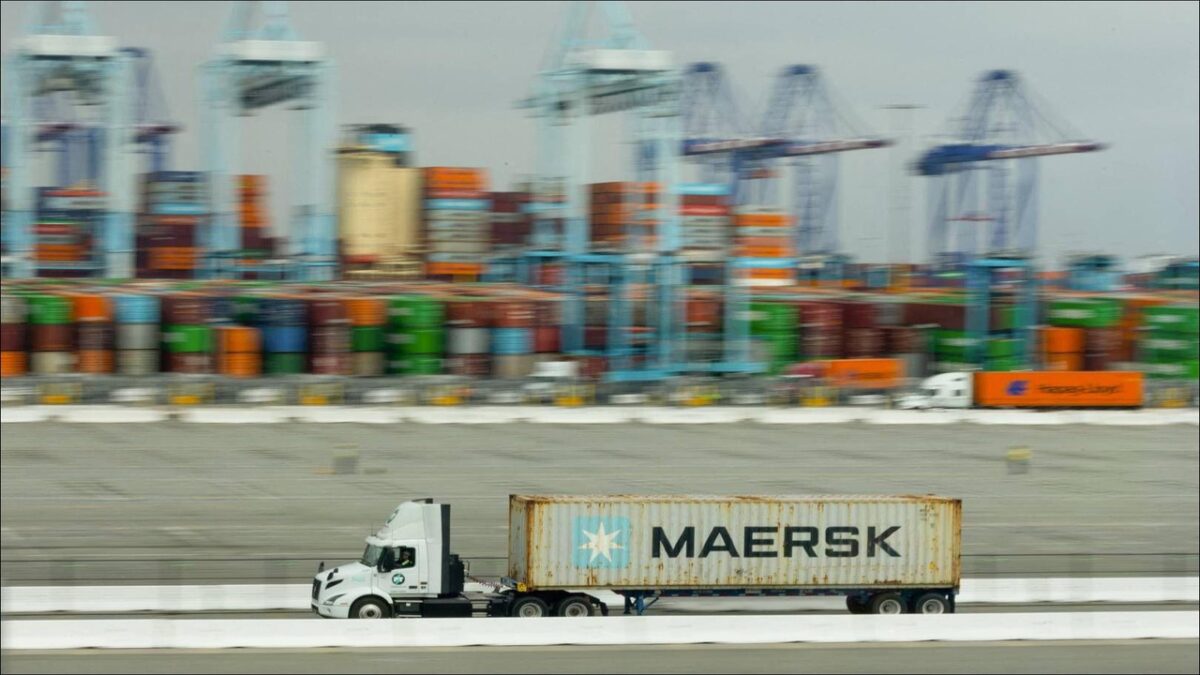
Maersk US Layoffs Due to Changing Market Conditions | Mariner News
Maersk, the global shipping and logistics giant, has confirmed significant US layoffs, attributing these workforce reductions to what it describes as “changing market conditions.” This strategic move reflects a challenging period for the maritime sector, particularly the container shipping industry, which has experienced a dramatic shift from the unprecedented boom observed during the peak of the global pandemic.
For many, this announcement by Maersk, a bellwether for global trade, underscores the economic volatility currently impacting industries worldwide. The decision to implement US layoffs is not an isolated incident but rather a symptom of broader macroeconomic pressures, including fluctuating consumer demand, evolving supply chain dynamics, and a general deceleration in global freight volumes. As one of the world’s largest integrated logistics companies, Maersk’s operational adjustments carry substantial weight, signaling a necessary recalibration in response to a less predictable economic landscape.
Unpacking Maersk’s Decision: “Changing Market Conditions” Defined
When Maersk refers to “changing market conditions,” it encompasses a multifaceted array of economic and logistical factors that have profoundly reshaped the container shipping environment. Foremost among these is the dramatic decline in freight rates from their record highs experienced in 2021 and early 2022. The surge in demand during the pandemic, driven by shifts in consumer spending towards goods and disrupted supply chains, led to soaring prices for shipping containers.
However, this extraordinary period proved unsustainable. As global economies reopened, consumer spending patterns normalized, and inventory levels caught up, the frantic pace of shipping demand began to subside. Simultaneously, a significant influx of new vessel capacity, ordered during the boom years, started to hit the water, leading to an oversupply of ships and containers relative to current demand. This imbalance has put immense downward pressure on freight rates, directly impacting the profitability of major carriers like Maersk.
Beyond freight rates, other contributing factors to these changing market conditions include persistent inflationary pressures, which have curtailed consumer purchasing power in key markets like the United States. Geopolitical uncertainties also play a role, creating a more cautious environment for global trade. For a company as interconnected with the pulse of the global economy as Maersk, these shifts necessitate swift and often difficult operational adjustments, including the painful decision of US layoffs to align workforce size with current market realities and future projections.
The Broader Landscape of the Container Shipping Industry
Maersk’s decision to implement US layoffs is not an anomaly but rather indicative of broader trends sweeping across the entire container shipping industry and the wider maritime sector. Many major shipping lines and logistics companies are grappling with similar challenges, adjusting their strategies to navigate a post-pandemic world characterized by greater uncertainty and increased competition. The industry’s cyclical nature means that periods of immense profit are often followed by leaner times, and the current environment appears to be part of such a downturn.
The normalization of global supply chains, while beneficial for overall economic stability, means less urgent and less profitable demand for expedited shipping. Companies are finding it easier to secure vessel space and container availability, further driving down prices. This shift from a seller’s market to a buyer’s market for shipping services forces carriers to re-evaluate their cost structures and operational efficiencies. Integrated logistics providers are particularly susceptible to these swings, as their extensive networks require significant investment in personnel and infrastructure, which must then be scaled to match fluctuating demand.
Moreover, the push for decarbonization and sustainability initiatives within the shipping industry, while critical for the future, also introduces new operational costs and investment requirements. Companies like Maersk are investing heavily in green fuels and more efficient vessels, adding another layer of financial pressure during a period of reduced earnings. The collective impact of these factors creates a complex environment where strategic workforce reductions, such as the US layoffs announced by Maersk, become a necessary measure to maintain financial health and long-term viability in the intensely competitive global logistics arena.
Consequences and Strategic Adaptations for Maersk
For the affected employees in the United States, Maersk’s layoffs represent a significant personal challenge, underscoring the human impact of large-scale economic shifts. Beyond the individual level, these workforce reductions can have ripple effects on local economies where Maersk has a significant operational presence. However, for Maersk as an organization, these painful decisions are part of a broader strategy aimed at enhancing resilience, improving efficiency, and ensuring sustainable growth in a volatile market.
Maersk has been actively pursuing a strategy of becoming an integrated logistics provider, moving beyond port-to-port container shipping to offer end-to-end supply chain solutions, including land-based logistics, warehousing, and customs services. While this diversification aims to stabilize revenue streams and reduce reliance on volatile ocean freight rates, it also requires ongoing optimization of its global workforce and operational footprint. The US layoffs are likely an outcome of this internal restructuring, ensuring that resources are allocated effectively to support strategic priorities in a leaner market.
The company is also heavily invested in digital transformation and technological advancements to streamline operations and enhance customer experience. By leveraging data analytics and automation, Maersk aims to create a more agile and responsive logistics network. These investments, alongside the workforce adjustments, reflect Maersk’s commitment to adapting to the new market paradigm, focusing on areas where it can add the most value and maintain its competitive edge amidst fierce industry rivalry. The emphasis is now firmly on cost control, efficiency, and a more robust, integrated service offering that can withstand future market fluctuations.
Navigating Economic Headwinds and Future Outlook
The current economic headwinds facing the container shipping industry, exemplified by Maersk’s US layoffs, necessitate a clear-eyed outlook on the future. While the immediate focus is on managing costs and optimizing operations, industry leaders are also looking towards long-term trends that will shape global trade. The ongoing evolution of e-commerce, the potential for nearshoring or friend-shoring of supply chains, and increasing regulatory pressures related to environmental sustainability will all play pivotal roles.
The maritime sector, including the vital container shipping segment, remains fundamental to global commerce. Therefore, the adjustments made by key players like Maersk are not merely about survival but about strategically positioning themselves for the next phase of global economic development. This involves a delicate balance between maintaining capacity to meet future demand surges and avoiding the pitfalls of overcapacity that currently plague the market. The industry’s ability to innovate, adopt new technologies, and collaborate on sustainable practices will be critical in navigating this complex environment.
Furthermore, the resilience of global trade will depend significantly on geopolitical stability and the effective management of inflation by central banks worldwide. Any significant upturn in consumer confidence and industrial production would naturally stimulate freight demand, potentially easing some of the pressures that led to Maersk’s recent workforce reductions. However, companies are now building in greater flexibility and contingency planning into their operations, recognizing that volatility is likely to be a recurring feature of the global economy for the foreseeable future.
In conclusion, Maersk’s decision to implement US layoffs, driven by profoundly changing market conditions, underscores a significant rebalancing within the container shipping and broader logistics industry. From record-breaking highs, the sector is now recalibrating to a more normalized, yet challenging, economic environment. These strategic adjustments reflect a determined effort by Maersk to enhance its operational resilience, streamline its workforce, and reinforce its position as a leading integrated logistics provider amidst ongoing global trade uncertainties and evolving market dynamics. The shipping industry continues its journey of transformation, adapting to new economic realities and preparing for the challenges and opportunities that lie ahead.