Europe’s Arctic Internet Route Bypasses Risky Red Sea | Mariner News
In a strategic pivot driven by escalating geopolitical tensions, Europe is rapidly accelerating efforts to establish a robust Arctic internet route, aiming to significantly reduce its reliance on the volatile Red Sea for critical data traffic. This ambitious undertaking, which seeks to bypass the perilous Red Sea internet route, underscores Europe’s unwavering commitment to securing its digital sovereignty and enhancing the resilience of its vital communication infrastructure. The move comes at a time when global network engineers are increasingly vocal about the security vulnerabilities of existing subsea cables in the Middle East, particularly within the Red Sea and Persian Gulf regions. For over a decade, the European Union (EU) has been quietly exploring the feasibility of the Arctic as a secure digital corridor, but recent instability, notably the war with Iran, has transformed these investigations into urgent, high-priority initiatives. This shift represents a monumental re-evaluation of global internet architecture, with Europe leading the charge to forge new paths through one of the world’s most challenging yet strategically vital regions.
The Geopolitical Imperative: Why Europe Seeks an Arctic Internet Bypass
Currently, a staggering 90 percent of Europe’s internet traffic traverses the Red Sea, a narrow maritime choke point that has become a flashpoint for geopolitical unrest. This overwhelming dependence presents a massive, unacceptable risk to Europe’s digital security and economic stability. Recent conflicts and acts of sabotage have highlighted the precarious nature of relying on a single, vulnerable corridor for the vast majority of digital communications. The potential for deliberate disruption, accidental damage, or natural disaster in such a critical region poses an existential threat to Europe’s interconnected society and economy. Recognizing this profound vulnerability, the EU commissioned a comprehensive report earlier this year, which unequivocally identified the Arctic as an essential alternative for data transmission and urged its immediate prioritization.
The urgency stems from both the escalating physical threats to infrastructure and the broader implications for digital sovereignty. For nations, control over their digital lifelines is as crucial as control over physical borders. Diversifying subsea cable routes is not merely a technical upgrade; it is a strategic imperative designed to fortify Europe against future disruptions, whether they originate from state-sponsored cyberattacks, regional conflicts, or environmental hazards. The Arctic, despite its environmental challenges, offers a politically stable and geographically distinct pathway, far removed from the geopolitical complexities of the Middle East. This strategic reorientation is about building a future where Europe’s digital backbone is resilient, redundant, and secure, ensuring uninterrupted connectivity for its citizens and businesses.
Pioneering the Arctic Digital Corridor: Key Projects and Investment
Europe’s strategy for establishing the Arctic internet route involves the development of two principal high-capacity subsea cables. The first, known as Far North Fiber, is an ambitious project designed to connect Europe and Japan through the iconic North-West Passage, traversing the waters between Greenland and Canada. This route offers a unique pathway, linking continents through a historically challenging but increasingly accessible maritime corridor. The second, and currently prioritized, initiative is Polar Connect. This project aims for a more direct route through the North Pole, establishing a direct connection to North America and East Asia. The prioritization of Polar Connect underscores Europe’s commitment to creating the shortest and most efficient high-speed data transfer path possible, significantly reducing latency for intercontinental communications.
To accelerate the Polar Connect project, the European Union has already committed approximately $10 million for critical preparatory work. This initial investment is part of a larger, estimated $2.3 billion budget required for the overall establishment of the Arctic digital infrastructure. Preparatory activities are comprehensive, including detailed route surveys planned for the upcoming summer. These surveys are essential for mapping the complex undersea topography, identifying optimal cable laying paths, and mitigating potential risks in the harsh Arctic environment. The project is a truly collaborative effort, with Nordic countries taking a leading role due to their geographical proximity and extensive experience in Arctic operations. Discussions are actively underway to broaden this collaboration, involving key Asian economic powers such as Japan and South Korea, recognizing the global implications of this new internet infrastructure.
Several key organizations are already deeply involved in this early planning phase, bringing diverse expertise to the table. These include NORDUnet, the consortium of Nordic academic network operators, which brings invaluable technical and operational knowledge of high-speed data networks. The Swedish Polar Research Secretariat contributes critical scientific and logistical expertise regarding the Arctic environment, crucial for navigating its unique challenges. The strong involvement of Nordic telecommunications providers ensures that practical industry insights are integrated from the outset, paving the way for a robust and commercially viable Arctic digital corridor.
Navigating Challenges and Opportunities in Arctic Subsea Cable Deployment
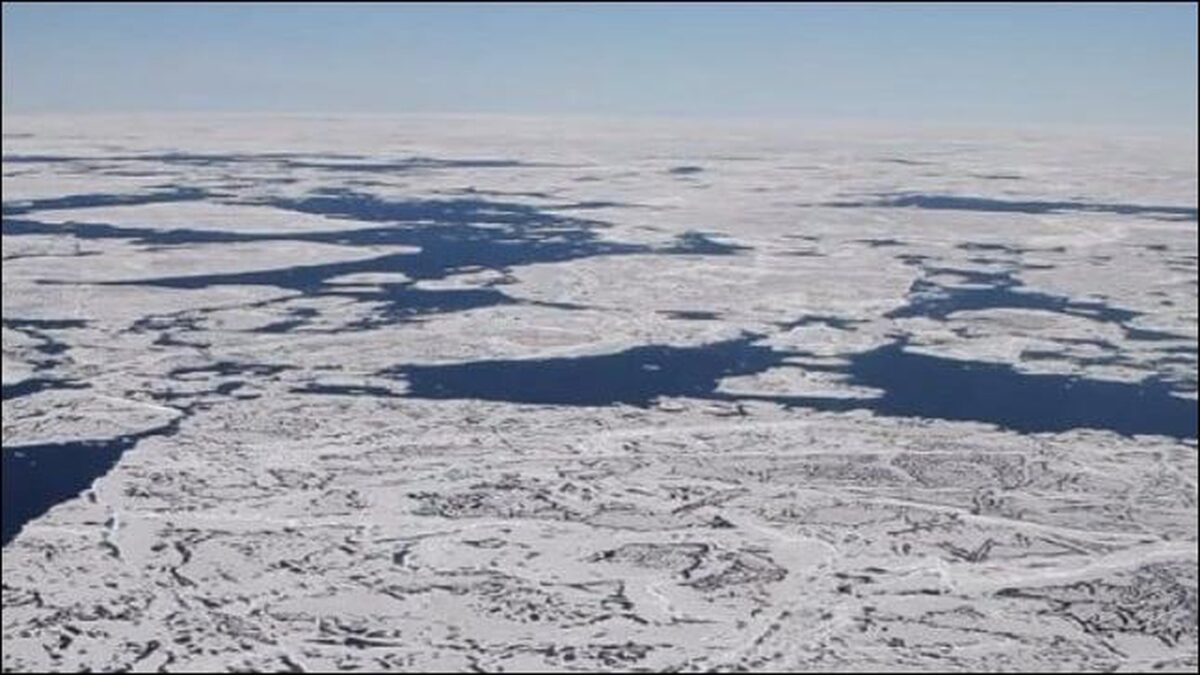
Deploying subsea cables in the Arctic presents a unique set of formidable challenges. The extreme environmental conditions, characterized by vast expanses of sea ice, freezing temperatures, and unpredictable weather patterns, demand specialized technology and unprecedented engineering ingenuity. Laying and maintaining cables under such conditions requires ice-breaking cable-laying vessels, advanced sonar mapping, and robust cable designs capable of withstanding crushing ice pressure and abrasive seabed conditions. Furthermore, the remoteness of the region complicates logistics, making maintenance and repair operations significantly more complex and costly than in temperate waters. Environmental considerations also play a critical role, as the delicate Arctic ecosystem must be protected from potential impacts of cable installation and operation. Sustainable practices and thorough environmental impact assessments are paramount to ensure that this technological advancement does not harm one of the planet’s most pristine regions.
Despite these hurdles, the opportunities presented by the Arctic internet route are compelling. Firstly, the Arctic offers a significantly shorter geographical distance between Europe and East Asia compared to traditional routes through the Red Sea or even across the Atlantic and Pacific via North America. This shorter path translates directly into lower latency, meaning faster data transmission and improved performance for critical applications, financial trading, and real-time communication. Secondly, establishing a new, geographically diverse route inherently enhances global internet security and resilience. It provides a vital backup, diversifying risk away from known geopolitical hotspots and creating redundancy in the global network architecture. Lastly, the development of this infrastructure can foster economic growth and scientific research in the Arctic region itself, potentially opening new avenues for indigenous communities and research institutions through enhanced connectivity.
The strategic value extends beyond mere technical advantages. By investing in the Arctic digital corridor, Europe is not only securing its own data flows but also contributing to a more diversified and resilient global maritime communication network. This initiative positions Europe as a leader in pioneering next-generation internet infrastructure, demonstrating a proactive approach to addressing 21st-century geopolitical and technological challenges. The integration of specialized maritime executive firms and cutting-edge engineering expertise will be crucial in overcoming the operational complexities, ensuring that these ambitious projects transition from visionary concepts to operational realities. The lessons learned and technologies developed in the Arctic will undoubtedly advance the field of subsea cable deployment worldwide.
Strengthening Digital Sovereignty and Global Connectivity
The establishment of a secure Arctic internet route is a cornerstone of Europe’s long-term strategy for enhanced digital sovereignty. By creating alternative, reliable pathways for its internet traffic, Europe significantly reduces its vulnerability to external pressures and ensures that its digital economy and national security are not held hostage by instability in distant regions. This move empowers Europe to maintain greater control over its digital future, a critical component of modern statecraft. The implications for global internet security are profound, as the addition of such a robust new route strengthens the overall resilience of the internet’s backbone, benefiting not just Europe but also its partners in North America and Asia through improved network resilience and redundancy.
Furthermore, this initiative promotes a greater degree of diversification in critical infrastructure. Relying on multiple, geographically distinct pathways for internet traffic mitigates single points of failure, making the global network more robust against both accidental damage and malicious attacks. The Arctic digital corridor serves as a strategic asset, ensuring continued high-speed connectivity even when other routes are compromised. This proactive approach to infrastructure development exemplifies a forward-thinking vision for international cooperation in securing the shared digital commons. It underpins economic stability, fosters innovation, and supports the seamless flow of information that is vital for modern societies globally.
The Future of Europe’s Internet Infrastructure
The long-term vision for Europe’s internet infrastructure is one characterized by resilience, security, and strategic autonomy. The Arctic internet route projects, Far North Fiber and Polar Connect, represent not just a bypass for the Red Sea but a foundational shift towards a diversified and future-proof global network. As these cables become operational, they will integrate with existing European network infrastructure, creating a powerful and adaptable digital ecosystem. This strategic investment is expected to catalyze further technological advancements and foster deeper international collaborations, particularly with Asian partners who will benefit significantly from the reduced latency and increased reliability of these new connections.
Europe’s commitment to securing its digital future is unwavering. The development of the Arctic digital corridor is a testament to its resolve to adapt to a changing geopolitical landscape and to lead in creating innovative solutions for global challenges. This endeavor will pave the way for future expansions, potentially spurring additional subsea cable projects and strengthening the fabric of global maritime communication. The Red Sea internet bypass through the Arctic is more than an engineering feat; it is a declaration of Europe’s intent to safeguard its digital sovereignty and ensure its continued prosperity in an increasingly interconnected and complex world, solidifying its place at the forefront of global digital infrastructure development for decades to come.